How to Maintain Your Artificial Turf: A Complete Guide
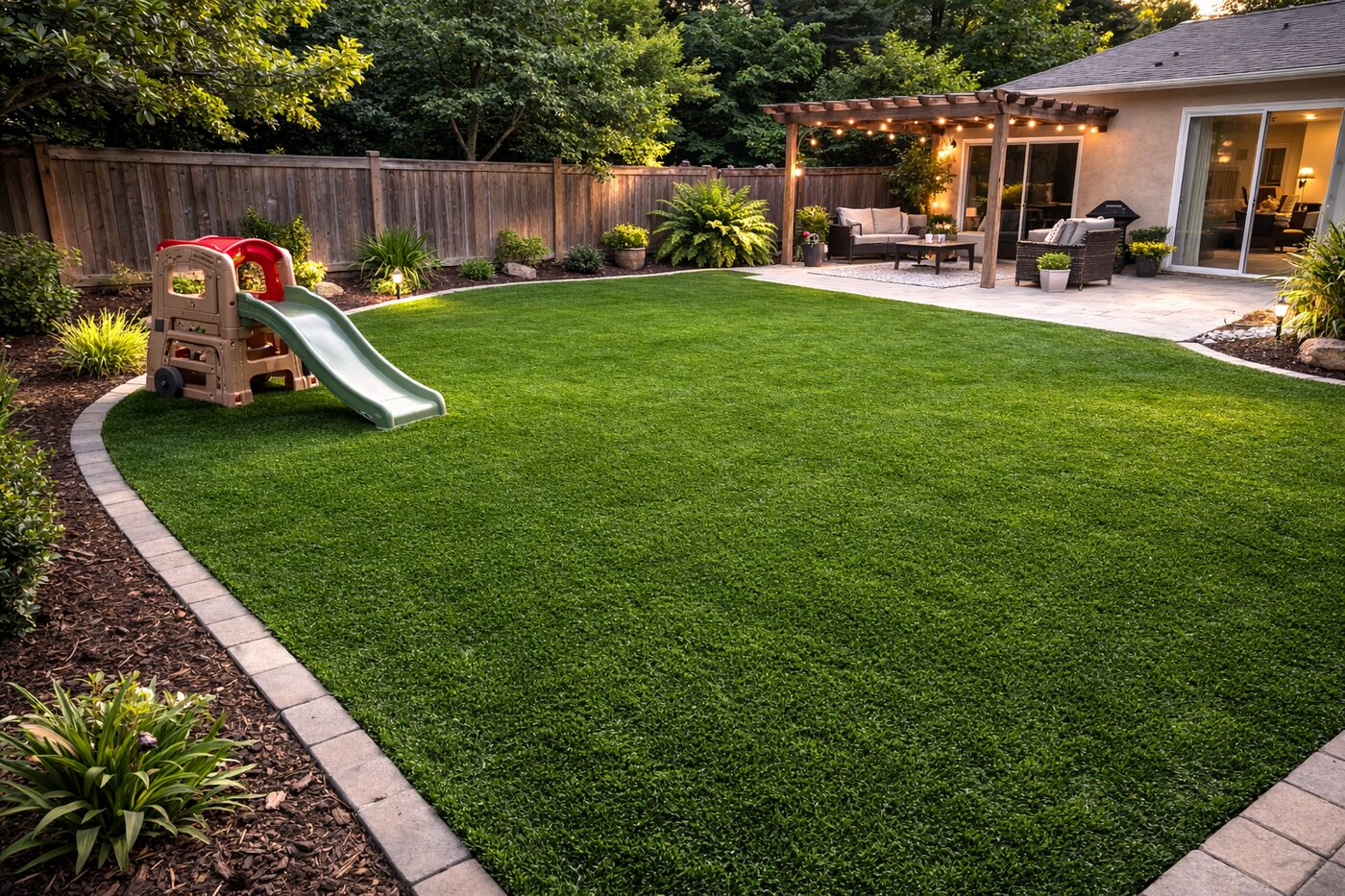
One of the biggest selling points I mention when discussing artificial turf is the maintenance—or rather, the lack of it. But "low maintenance" doesn't mean "no maintenance." After installing artificial turf across North Georgia for over two decades, I've learned exactly what homeowners need to do to keep their synthetic grass looking perfect for 15-20 years. The good news? It's genuinely simple. The even better news? Most people are overthinking it.
In this guide, I'll share the actual maintenance routine that keeps artificial turf beautiful, what to avoid, and how Georgia's specific climate affects your care approach. Whether you have a residential lawn or a commercial space, these tips will keep your investment in top condition.
Monthly Maintenance: The Brushing Habit
The single most important thing you can do for artificial turf is brush it regularly. This isn't complicated, but it is necessary. Over time, foot traffic compresses the turf fibers, making them lay flat. Brushing lifts them back up, keeping your lawn looking lush and full.
How to Brush Your Turf
Use a stiff-bristled broom or, better yet, a turf groomer (a tool designed specifically for this). Brush against the grain of the fibers using firm but not violent strokes. You're not trying to tear it up—you're just lifting the pile. Spend about 2-3 minutes per 1,000 square feet. For a typical 3,000 sq ft lawn, that's maybe 10 minutes monthly.
Honestly, most homeowners tell me this becomes meditative—almost therapeutic. It takes no special equipment beyond what you probably have already.
Seasonal Cleaning: Remove Debris and Dust
Georgia's trees shed leaves constantly—oak, maple, pine needles accumulate on turf. Additionally, dust settles, especially during dry spells. This debris can trap moisture and create conditions for algae or mold growth if left alone.
Spring and Fall Cleanup
Twice yearly, do a thorough debris removal. Use a leaf blower to clear leaves, pine needles, and debris from your turf surface. This takes about 30-45 minutes for a standard yard and keeps things looking fresh.
Dust and Pollen Removal
After Georgia's heavy pollen season (late February through April), rinse your turf with a hose. A gentle spray clears accumulated pollen and dust without stressing the fibers. This is especially important if you have pet turf—pet urine mixes with dust and can create odor issues if not rinsed regularly.
Pet Turf Specific Maintenance
If you installed artificial turf specifically for pets, there are a few additional steps. Our pet-specific turf has superior drainage designed to handle pet waste, but you still need basic care.
Daily Solid Waste Removal
Just like a natural lawn, pick up solid waste daily. Use a small shovel or waste pick-up tool. This takes literally 2-3 minutes and prevents odor buildup.
Weekly Rinsing
Once weekly, rinse the area where your pets spend the most time with a hose. A gentle spray breaks down urine and flushes it through the drainage system underneath. This is the key difference between pet turf that smells and pet turf that stays fresh. We recommend rinsing high-traffic urine areas at least once weekly during warm months (April-September).
Enzymatic Treatment for Heavy Use
If you have multiple dogs or heavy pet use, consider an enzymatic spray designed for artificial turf once monthly. These break down urine compounds and keep odor virtually nonexistent. Brands like Unipet or similar enzyme-based products work well.
Weather-Specific Care in Georgia
Georgia's climate presents specific challenges. Our intense UV radiation, high humidity, and heavy rainfall all require thoughtful maintenance.
Summer Care (June-September)
During peak heat, artificial turf actually stays cooler than you might expect—it's not like walking on melted plastic. However, heat can increase odors and dust accumulation. Increase your rinsing frequency during these months, especially if you have pets. The goal is to manage odor before it becomes noticeable.
Fall Maintenance
Fall is when leaf drop is heaviest. More frequent leaf removal is necessary. Don't let leaves sit on turf for extended periods—they can trap moisture and create dark patches that look like staining.
Winter and Early Spring
Georgia's winters are mild, but we occasionally get ice and freezing temperatures. Artificial turf handles this fine—better than natural grass, honestly. However, avoid heavy salt use on or near the turf, as salt can damage the backing and fibers. If your turf borders a driveway or walkway you need to de-ice, use alternatives like calcium chloride rather than rock salt.
What NOT to Do
This is equally important. There are maintenance mistakes that can actually damage artificial turf or void your warranty.
- Don't pressure wash at high PSI. Anything over 1,500 PSI can damage the turf fibers and dislodge infill material. If you use a pressure washer, use a very gentle setting (under 1,000 PSI).
- Don't use harsh chemicals or bleach. Modern turf is UV-stabilized, but bleach and harsh cleaners can break down the fiber. Stick to water and mild enzyme treatments.
- Don't let standing water sit. If your turf is properly installed with good drainage, water won't pool. But if you notice pooling, contact us—it indicates a drainage problem that needs addressing.
- Don't paint or seal the turf. Some homeowners think they need to coat or paint their turf periodically. You don't. Modern artificial turf is designed to last 15-20 years as-is. Coating it will trap moisture underneath.
- Don't use it as a storage area. Heavy equipment parked on turf for extended periods can compress and damage it. Heavy foot traffic is fine; permanent weight is not.
When to Call Professionals
Most homeowners handle basic maintenance themselves. But there are situations where professional care makes sense:
- Deep cleaning and re-infill. Every 5-10 years, professional grooming and infill replenishment keeps turf looking and performing like new.
- Odor issues. If you have persistent odor despite regular rinsing, there may be a drainage problem. We can assess and fix this.
- Seam issues. If seams start showing or separating, professional resealing is needed.
- Large stains or discoloration. While artificial turf resists staining, some substances can mark it. Professional cleaning can often restore appearance.
The Reality: You'll Actually Want to Maintain It
Here's something interesting I've noticed after 20+ years: most people don't resent maintaining artificial turf like they do natural grass. The brushing takes minutes. The rinsing is easy. There's no fertilizer to buy, no weed-killer to apply, no fungicide spraying. Compare that to natural grass maintenance in Georgia—which is genuinely brutal—and you understand why homeowners embrace taking care of their artificial turf.
One final tip: keep simple notes. Track when you last brushed, when you did seasonal cleanup, when you professional serviced the turf (if you do). This helps you stay consistent and catch problems early before they become expensive.
Need Professional Turf Maintenance?
LawnLogic Turf offers professional maintenance services for artificial turf in North Georgia. We handle grooming, re-infill, and deep cleaning to keep your investment perfect.
Design My Yard Free →