Creating a Backyard Golf Practice Area with Synthetic Turf
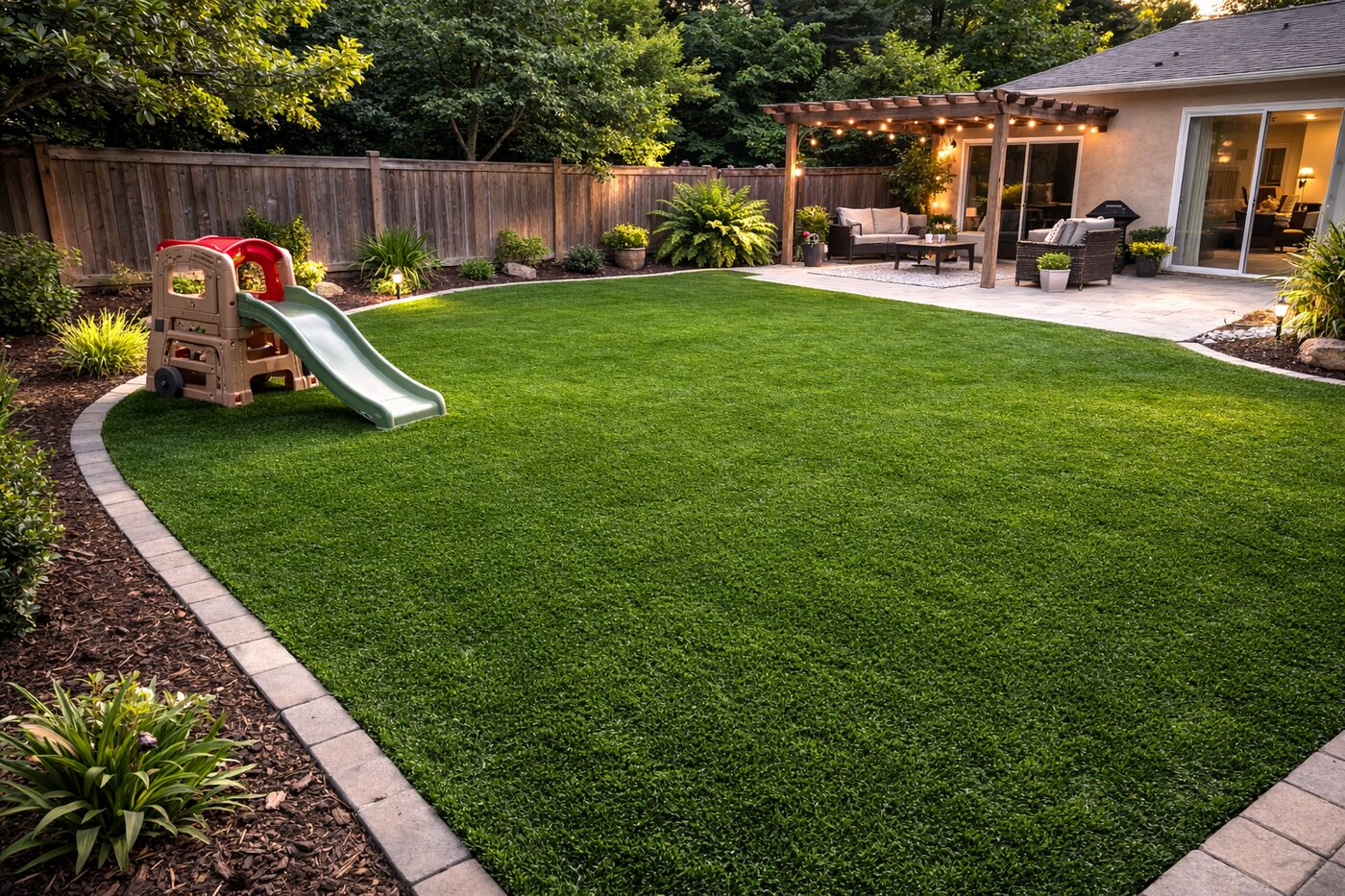
Golfers in North Georgia love the sport. After 20+ years installing artificial turf, I've helped dozens of golf enthusiasts create beautiful, functional practice areas in their backyards. A private putting green, chipping area, or short-game practice zone transforms your yard into a personal golf facility. Quality artificial turf makes this possible, providing consistent playing surfaces that handle practice activity beautifully.
Let me share how to design and build a backyard golf practice area that works.
Why Backyard Golf Practice?
Convenience
Practice whenever you want. Early morning, late evening, whenever you have 15 minutes. Your backyard facility is always available. No driving to the range or golf course. No time wasted on commute.
Improvement
Short-game practice is where scoring improves. Countless 10-minute practice sessions add up to significant improvement. Having it in your backyard means you actually do it regularly, which translates to better golf.
Cost Savings
Range fees add up. Over a year, many golfers spend $500-$1,500 on range practice alone. A home practice area pays for itself in about a year if you're a frequent range visitor.
Putting Green Design and Installation
Space Requirements
A small practice green needs at least 10 feet by 15 feet. A full-sized practice green is better at 15 feet by 20 feet, giving you multiple hole positions and practice patterns. Larger is always better for variety.
Turf Specifications
Putting greens require specific artificial turf designed for golf. Look for:
- Ultra-low blade height (.375" to .5") mimicking golf course quality
- Dense pile for true roll and accurate green speed
- Professional-grade substrate for proper surface
- Green specifications matching USGA standards
Proper Installation
Putting green installation by LawnLogic Turf includes careful substrate preparation, expert laser-leveling, and precise turf installation. The surface must be perfectly level with consistent slope. A putting surface that's not properly installed creates false breaks and frustration.
Hole Cup Installation
Professional hole cups are standard size with proper drainage. They should be positioned to allow multiple pin placements and varied practice patterns.
Chipping Area Design
Space and Layout
A dedicated chipping zone should be at least 15 feet by 20 feet, positioned adjacent to your putting green. This allows realistic practice—chip from the practice zone onto the green, then putt.
Turf Height
Chipping areas typically use turf at .75" to 1" height. This is shorter than regular lawn turf but taller than putting green turf. It provides consistent lies for chip practice while being realistic to fairway conditions.
Multiple Practice Scenarios
Include varying approach angles. Position targets at different yardages—20 feet, 30 feet, 40 feet. This creates realistic game scenarios and develops different distance control.
Driving Range Practice Area
Space Requirements
A functional practice hitting area needs at least 20 feet by 50 feet minimum. Larger is significantly better—a 25 feet by 100-foot area lets you hit multiple clubs and practice different shots.
Turf Specifications
Driving range turf typically uses .75" to 1.5" blade height. This mimics fairway lies and handle regular impact from club striking. It needs to be wear-rated for the frequent impact of practice sessions.
Tee Area
Create a defined hitting zone with tee markers. A 5-foot by 10-foot area is sufficient for practice session setup. Use rubber tees or wooden tees on the artificial turf surface—both work well.
Target Systems
Mark distance targets: 75 yards, 100 yards, 125 yards, 150 yards, 175 yards. Simple yard markers work. This gives feedback on distance consistency and helps you track improvements.
Complete Practice System Design
Layout Concept
Arrange your practice facility logically: hitting area (farthest back), chipping zone (middle), and putting green (closest to house). This mirrors actual golf and creates natural practice flow.
Surround Area
Use quality artificial turf to surround your practice areas. This connects everything visually, provides clean edges, and creates a unified design. LawnLogic Turf's surrounding turf frames your practice areas beautifully.
Functional Landscaping
Include:
- Shade elements (pergola, trees) for comfort during practice
- Ball return areas for easy ball collection
- Storage for practice equipment
- Seating area for observation and rest between sessions
Year-Round Practice Benefits
Georgia weather affects natural grass practice areas significantly. Artificial turf solves this completely:
Summer: Practice before sunrise or after sunset without watering concerns. The turf handles constant use without deterioration.
Fall/Winter: Practice any time. No dormancy period, no brown turf, no muddy conditions. Weather doesn't stop your practice regimen.
Spring: Ready to go anytime. No recovery periods, no maintenance interruptions. Your facility is always available.
Maintenance of Practice Areas
This is where artificial turf shines. Your practice facility stays perfect with minimal care:
- Monthly brushing to maintain blade appearance
- Occasional rinsing to remove dust
- Annual inspection of seams and edges
- No mowing, no fertilizing, no disease management
Getting Your Practice Area Built
LawnLogic Turf specializes in golf practice installations. We understand putting green specifications, chipping zone design, and hitting area requirements. We've built dozens of practice facilities for North Georgia golfers.
Check our gallery to see golf practice areas we've installed. See how artificial turf creates professional practice facilities. Then contact us to discuss your backyard golf vision. Learn about our specialized process for golf practice installations.
Build Your Golf Practice Area
Professional putting greens and practice zones with artificial turf.
Design My Yard Free →