Artificial Turf vs Pavers: Which is Better for Your Backyard?
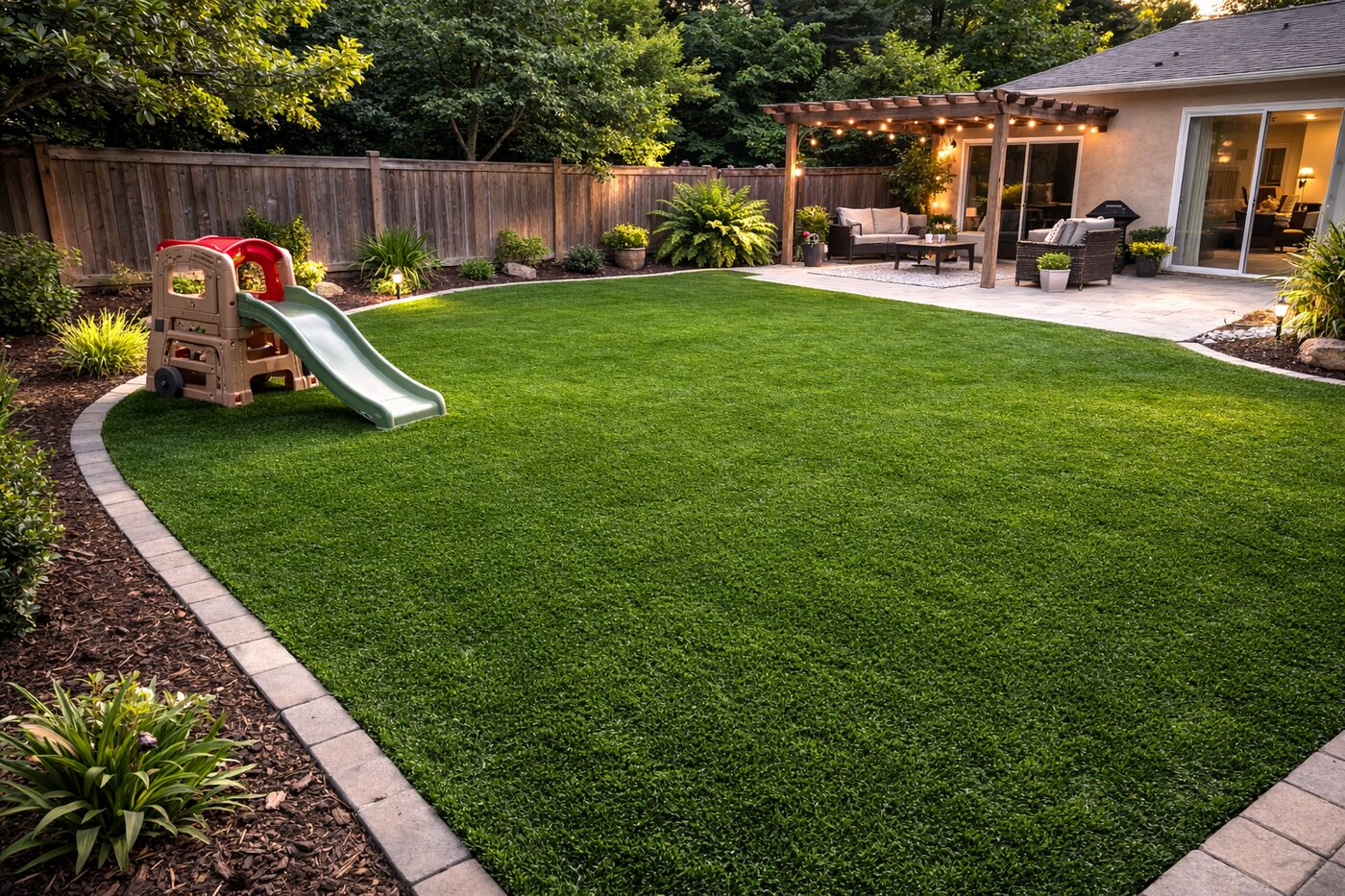
One of the most common decisions North Georgia homeowners face when redesigning their backyards is simple: artificial turf or pavers? Both are popular hardscape alternatives to natural grass, but they serve different purposes, have different costs, and create very different aesthetics and functionality. I've installed both extensively across the Kennesaw area, and honestly, the answer depends entirely on what you want your yard to be.
In this guide, I'll compare these options head-to-head so you can make the right choice for your specific situation.
Understanding Each Option
Artificial Turf
Synthetic grass that looks and feels like real lawn. Available in various qualities and styles. Creates a natural, green aesthetic. Soft underfoot, suitable for play areas and barefoot walking.
Pavers
Interlocking concrete, stone, or porcelain tiles creating a solid surface. Available in endless colors, patterns, and materials. Creates a structured, architectural aesthetic. Hard surface suitable for furniture and defined spaces.
Cost Comparison: Installation and Long-Term
| Factor | Artificial Turf | Pavers |
|---|---|---|
| Installation (per sq ft) | $8-15 | $15-25 |
| Total for 500 sq ft | $4,000-7,500 | $7,500-12,500 |
| Annual maintenance | $100-300 | $200-500 |
| Repairs (typical) | $500-1,500 per issue | $1,000-3,000 per issue |
| Lifespan | 15-20 years | 20-30+ years |
Initial cost: Pavers typically cost 50-100% more to install. However, they last longer (25-30 years vs 15-20 for turf), so the per-year cost difference narrows.
Maintenance: A Critical Differentiator
Artificial Turf Maintenance
- Monthly brushing to maintain pile
- Occasional rinsing to remove dust
- Professional grooming every 2-3 years
- Total annual time: 3-5 hours
- Total annual cost: $100-300
Paver Maintenance
- Regular sweeping to remove debris
- Occasional pressure washing (annual or bi-annual)
- Weed control between pavers (ongoing)
- Potential joint sand replenishment
- Potential resetting of shifted pavers
- Total annual time: 10-20 hours
- Total annual cost: $200-500
Artificial turf wins decisively on maintenance burden. Pavers require ongoing attention, especially weed and moss management in Georgia's humid climate.
Functional Differences
Use Cases Where Turf Excels
- Play areas: Soft surface perfect for kids and dogs
- Lounging and barefoot enjoyment: Comfortable to walk on barefoot
- Pet areas: Especially with pet-specific turf
- Natural aesthetic: Creates traditional lawn appearance
- Water absorption: Manages drainage naturally
Use Cases Where Pavers Excel
- High-traffic areas: Won't compress from heavy use
- Furniture placement: Hard, stable surface for deck furniture, grills, hot tubs
- Architectural design: Patterns and colors create custom aesthetics
- Poolside areas: Better slip resistance and water drainage
- Transition zones: Between indoor and outdoor spaces
Aesthetic Considerations
Artificial Turf Aesthetics
Modern artificial turf looks remarkably like real grass. The visual impact is "natural lawn." This creates a clean, manicured appearance without seasonal variation. Works beautifully as a backdrop for landscaping and garden elements.
Paver Aesthetics
Pavers create architectural interest and visual structure. They can be arranged in patterns, mixed with other materials, and incorporated into complex designs. They communicate permanence and investment. The aesthetic is more "hardscape design" than "lawn."
Often, the best solution combines both: pavers for defined seating and activity areas, artificial turf for open green space.
Georgia-Specific Considerations
Drainage
Georgia's clay soil and heavy rainfall require good drainage. Artificial turf with proper base installation drains exceptionally well. Pavers require careful installation with permeable base and edge drainage to prevent water accumulation. Improperly installed pavers can create standing water problems.
Heat and Sun
Pavers absorb and retain heat intensely in Georgia sun—sometimes becoming too hot to walk on barefoot in July. Artificial turf with light-colored infill stays cooler. For comfort during Georgia summers, turf wins.
Weeds
Georgia's humid climate and rich soil promote aggressive weed growth between pavers. This is an ongoing maintenance challenge. Artificial turf eliminates this problem entirely.
The Hybrid Approach: Combining Both
Many of our best North Georgia installations combine artificial turf and pavers strategically:
- Paver patio/seating area with defined dimensions
- Artificial turf for open space and play areas
- Paver walkways through the turf area
This approach captures the benefits of both: the natural aesthetic and functionality of turf, with the structural and design benefits of pavers where needed. It's often the most practical solution for balanced outdoor living spaces.
Making Your Decision
Choose artificial turf if: You want a natural lawn aesthetic, have pets or children, want minimal maintenance, and value barefoot comfort.
Choose pavers if: You want defined outdoor living spaces, have furniture/structures to place, prioritize long-term durability, and like architectural design elements.
Choose both if: You can afford it and want a versatile yard with both natural and structured spaces.
Let's Design Your Perfect Yard
LawnLogic Turf designs customized outdoor spaces combining turf, pavers, and landscaping. Contact us for a consultation.
Design My Yard Free →