Hardscaping vs Landscaping: What Georgia Homeowners Need to Know
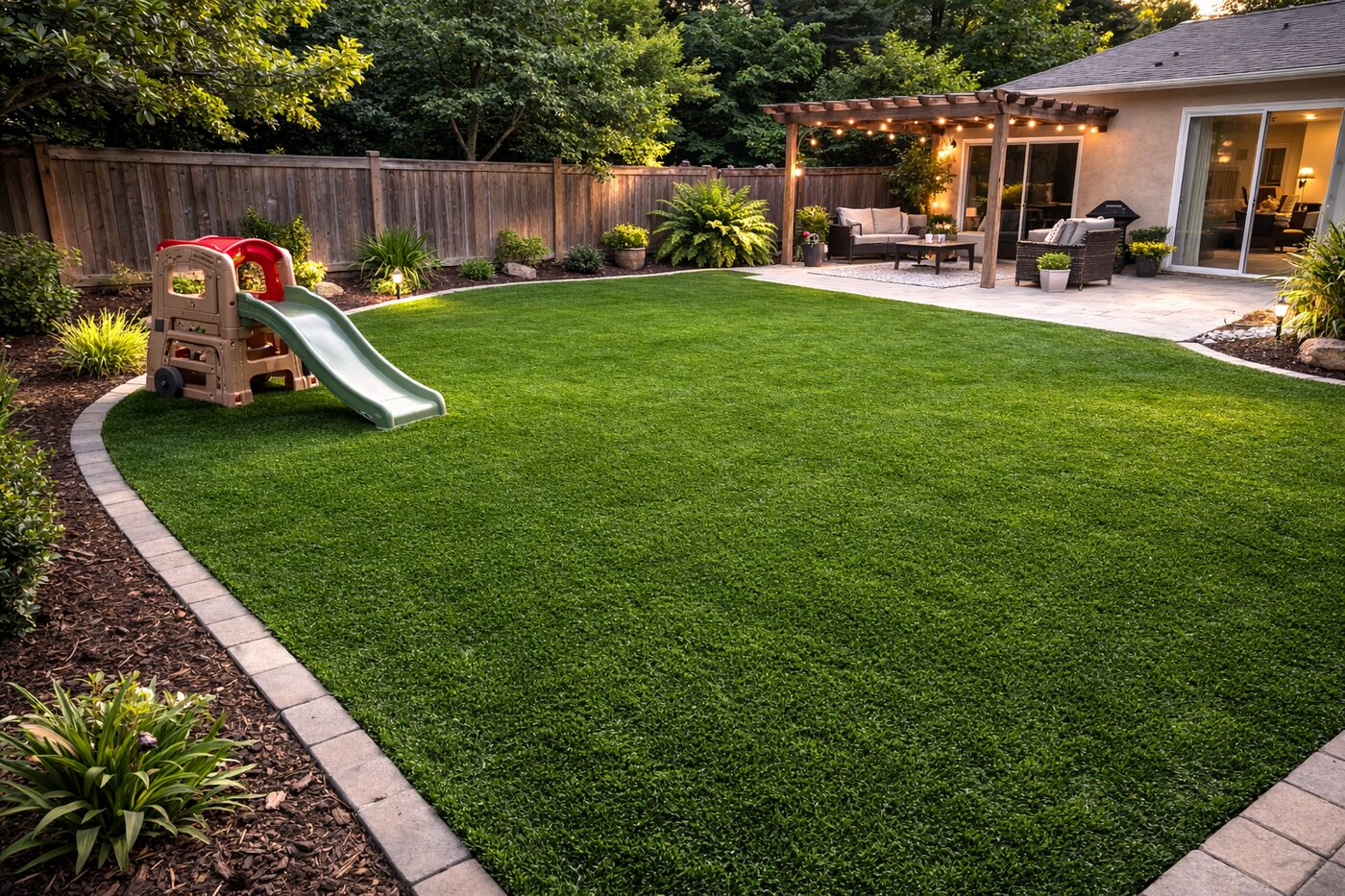
After more than 20 years installing outdoor spaces throughout Georgia and North Georgia, I've noticed one thing: most homeowners use "landscaping" and "hardscaping" interchangeably, but they're actually very different. Understanding the difference between these two approaches is crucial when planning your backyard transformation, because choosing the right combination will determine not just how your yard looks, but how long it lasts and how much maintenance it requires.
What is Landscaping?
Landscaping refers to the "soft" elements of your outdoor space—the living, growing things. This includes trees, shrubs, flowers, grass, and plants. Traditional landscaping relies on these organic materials to create color, texture, and visual interest in your yard. When people talk about hiring a "landscaper," they're typically referring to someone who plants, prunes, mulches, and maintains these living elements.
In Georgia's climate, landscaping offers real benefits. Our mild winters mean we can grow a diverse palette of plants, from native ornamentals to flowering shrubs that thrive in our humidity and heat. However, traditional grass lawns in Georgia require significant maintenance: mowing every 7-10 days during growing season, fertilizing multiple times per year, and dealing with common pests like grubs and chinch bugs.
What is Hardscaping?
Hardscaping refers to the "hard" or non-living elements of landscape design. These include patios, pathways, retaining walls, decking, water features, fire pits, pergolas, and other structural elements made from stone, concrete, pavers, wood, or metal. Hardscaping creates the "bones" of your outdoor space—the framework that organizes how you use the area.
In my experience working throughout Kennesaw and the North Georgia region, homeowners are increasingly turning to hardscaping solutions because they're durable, low-maintenance, and provide immediate impact. A well-designed patio or retaining wall adds real value to your property and creates usable outdoor living space.
Combining the Best of Both
The magic happens when you combine hardscaping and landscaping strategically. For example, we'll design a hardscaped patio area using permeable pavers for entertaining, but then frame it with carefully selected plantings and modern artificial turf solutions that require minimal upkeep. This gives you the durability and usability of hardscaping plus the visual softness of landscaping.
At LawnLogic Turf, we've found that many Georgia homeowners now prefer artificial turf as their landscaping choice instead of traditional grass. It's technically a "soft" element since it's a textile surface, but it delivers the low-maintenance benefits of hardscaping. You get a green, beautiful lawn without the mowing, watering, fertilizing, or pest management of natural grass.
Which Should You Choose?
Choose hardscaping if: You want a durable, low-maintenance outdoor living space; you entertain frequently; you live in a shaded area where grass struggles; or you want to reduce water usage in your Georgia home.
Choose landscaping if: You love working with plants; you want seasonal color changes; you prefer a more "natural" aesthetic; or you have the time for regular maintenance.
Choose both if: You want the best of both worlds—and honestly, this is what most of my satisfied clients do. A well-executed design combines hardscaped entertaining areas, beautiful plantings, and often artificial turf for the functional lawn area.
Real Georgia Examples
I recently completed a project in Kennesaw where the homeowner had a large backyard but spent all their time indoors. We hardscaped the space with a large composite deck, a patio seating area with a fire pit, and retaining walls to create different elevation zones. Then we softened it with ornamental grasses, shrubs, and artificial turf to fill the remaining areas. The result? A family that now uses their backyard constantly—something they couldn't achieve with traditional landscaping alone because it would've required constant maintenance.
Another project involved a shaded North Georgia property where grass refused to grow. Traditional landscaping solutions would've been expensive and limited. Instead, we combined hardscaping (a beautiful stone pathway, shade-appropriate plantings) with artificial turf in the sunny pocket areas. The artificial turf is perfect for shaded spaces—one of its best applications in Georgia—because it doesn't require sunlight to stay green.
Cost Considerations
Hardscaping typically requires higher upfront investment but virtually no maintenance costs. A quality patio might cost $5,000-$15,000 installed, but you'll spend nothing maintaining it beyond occasional cleaning. Traditional landscaping is cheaper initially but accumulates maintenance costs: lawn care, fertilizer, plant replacement. Artificial turf sits in between—moderate initial investment with nearly zero maintenance.
The LawnLogic Approach
When our team designs outdoor spaces, we don't pit hardscaping against landscaping. Instead, we ask: "How does this family actually use their yard?" Then we design accordingly. Some clients need a low-maintenance solution because they travel; others want a vibrant, plant-filled garden. Most want elements of both.
Want to explore how hardscaping and landscaping could transform your Georgia property? Let's talk about your specific goals. Whether you're considering a full backyard renovation or targeted improvements, understanding this hardscaping vs. landscaping distinction will help you make decisions that you'll enjoy for years to come.
Ready to Transform Your Outdoor Space?
Let's design your perfect combination of hardscaping and landscaping elements.
Design My Yard Free →