Outdoor Kitchen and Turf Design: Creating the Perfect Entertaining Space
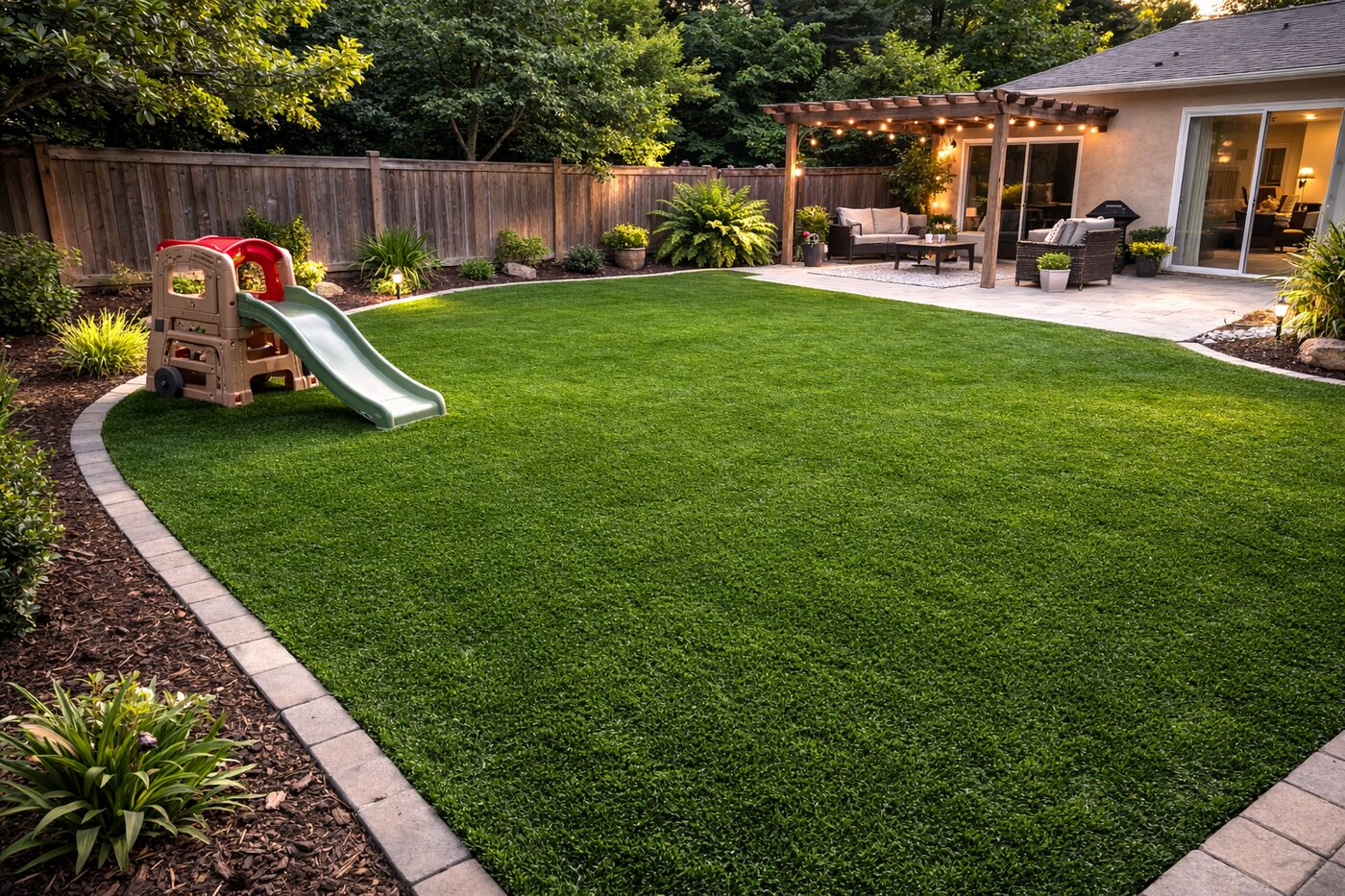
Outdoor kitchens have become status features in Georgia properties, and for good reason—they transform how families actually use their backyards. But here's what I see repeatedly: beautiful outdoor kitchens installed without proper integration into the surrounding landscape. Guests stand awkwardly on concrete or muddy turf. There's no clear flow from kitchen to entertaining areas. The whole space feels disconnected. After 20+ years designing integrated outdoor spaces, I can tell you the difference between a kitchen that looks great and one that actually functions beautifully comes down to thoughtful surrounding landscape design. Let me share what creates truly functional outdoor entertaining spaces.
Why Outdoor Kitchens Need Integrated Landscape Design
An outdoor kitchen is food preparation space. But when you're entertaining, you want guests to gather, relax, and transition fluidly between cooking area and socializing. This requires thoughtful zoning with artificial turf, hardscaping, seating, and circulation. The kitchen shouldn't feel isolated—it's the anchor of a comprehensive entertaining space.
Designing the Core Entertaining Zones
The Kitchen/Preparation Area
This is your hardscape base—typically paved with stone, pavers, or composite decking. The kitchen itself sits on this stable, easy-to-clean surface. Size this appropriately: 12-16 feet wide, 8-10 feet deep minimum. This allows movement behind the counter and in front for food prep. Design counter heights and configurations for comfortable cooking while entertaining.
The Transition Zone
Immediately around the kitchen, design a hardscape transition zone—perhaps 4-6 feet of paver surface extending from the kitchen. This is where guests transition from kitchen to entertainment areas. It stays clean, defines zones, and provides comfortable standing room. At LawnLogic Turf, we often design this as a connecting patio between the kitchen and additional outdoor zones.
The Entertaining Area
Beyond the transition zone, artificial turf creates comfortable, attractive gathering space. Turf is soft underfoot, creates visual softness contrasting with the kitchen's hardscape, and provides comfortable informal seating areas. Guests naturally migrate to this zone, allowing the kitchen to remain food-focused while the turf areas become social spaces.
The Lounge Zone
Further out, consider designated seating areas: lounge furniture, shade structures, or fire pit areas surrounded by turf. This creates distinct zones within your overall entertaining space, accommodating different activities and group sizes.
Artificial Turf Integration Strategies
Creating Visual Flow
Quality artificial turf provides visual continuity. Kitchen hardscape, transition pavers, turf entertaining areas—they flow together as a cohesive space rather than disconnected elements. This visual coherence makes the entire outdoor area feel larger and more intentional.
Comfort and Functionality
Turf is comfortable for standing, walking, playing, and casual lounging. It's clean (unlike natural grass which gets muddy around heavily-used entertaining areas). It dries instantly after rain, allowing quick recovery if weather threatens your gathering. These practical benefits make the space genuinely usable.
Noise Reduction
Did you know turf reduces sound? Artificial turf absorbs noise from conversation and music. Adjacent natural hardscape reflects sound, amplifying it. The mix of materials creates acoustically pleasant outdoor spaces.
Design Layout Recommendations
The Central Kitchen Model
Position the outdoor kitchen as the focal point of the entertainment space. Hardscape spreads around it. Turf areas spread beyond that. This organization creates natural flow: guests gravitate toward the kitchen initially, then spread into turf areas as the gathering grows.
The Anchor Kitchen Model
Position the kitchen at the edge or corner of your space. This allows the kitchen to anchor one end of the entertaining zone while leaving the majority of the area as flexible entertainment space. This layout works well if space is limited.
The Island Kitchen Model
Create the kitchen as an island within the hardscape, with turf and entertaining areas all around it. This creates 360-degree access, making the kitchen feel integrated rather than peripheral. Guests can gather and interact while you cook, which is the whole appeal of outdoor kitchens.
Practical Considerations for Georgia Climate
Shade Integration
Georgia summers demand shade. Position pergolas, pavilions, or shade structures adjacent to the kitchen and turf areas. Guests won't linger in 95-degree sun, no matter how fun the gathering. Shade makes the space genuinely usable 8-9 months per year.
Drainage and Water Management
Proper drainage is critical around outdoor kitchens. Sloped hardscape directs water away from the kitchen structure. Turf areas need proper base preparation for drainage (covered in our installation service details). In Georgia's climate, this prevents standing water and muddy areas.
Lighting Integration
Evening entertaining requires functional lighting at the kitchen (for food prep safety) and ambiance lighting in turf and entertaining areas. Integrated LED lighting extends the usable hours of your outdoor space significantly.
Material Selection Harmony
Choose outdoor kitchen materials that harmonize with surrounding hardscape and turf. If your kitchen has stone countertops and a wood pergola, choose pavers and shade structures that complement these materials. This visual coherence creates a polished, designed space rather than a collection of disparate features.
Real Entertaining Space Example
I completed an installation for a Kennesaw family with a substantial outdoor kitchen investment. Initially, they wanted just kitchen and minimal surrounding space. We convinced them to extend the design: hardscape transitioned to 1,000 square feet of artificial turf, with pergola shade creating lounge zones and a fire pit defining gathering space. The family reports the outdoor kitchen transformed from "nice cooking space" to "complete entertaining venue." They host monthly gatherings that spill across turf areas, and the entire space feels integrated and intentional.
Budget Integration
Comprehensive outdoor entertaining spaces with kitchen, hardscape, and turf typically cost $30,000-$60,000+ depending on kitchen quality and overall square footage. While significant, families report this is one of their highest-satisfaction home investments. Property value increases, and actual use justifies the cost.
Creating Your Entertaining Space
An outdoor kitchen deserves thoughtful landscape integration. Artificial turf, strategic hardscaping, proper drainage, and functional zones transform a kitchen into a complete entertaining destination. Ready to design your integrated outdoor entertaining space? Contact us to discuss how we can integrate your outdoor kitchen with quality landscape design and artificial turf installation.
Design Your Complete Entertaining Space
Let's integrate your outdoor kitchen with beautiful landscape design.
Design My Yard Free →