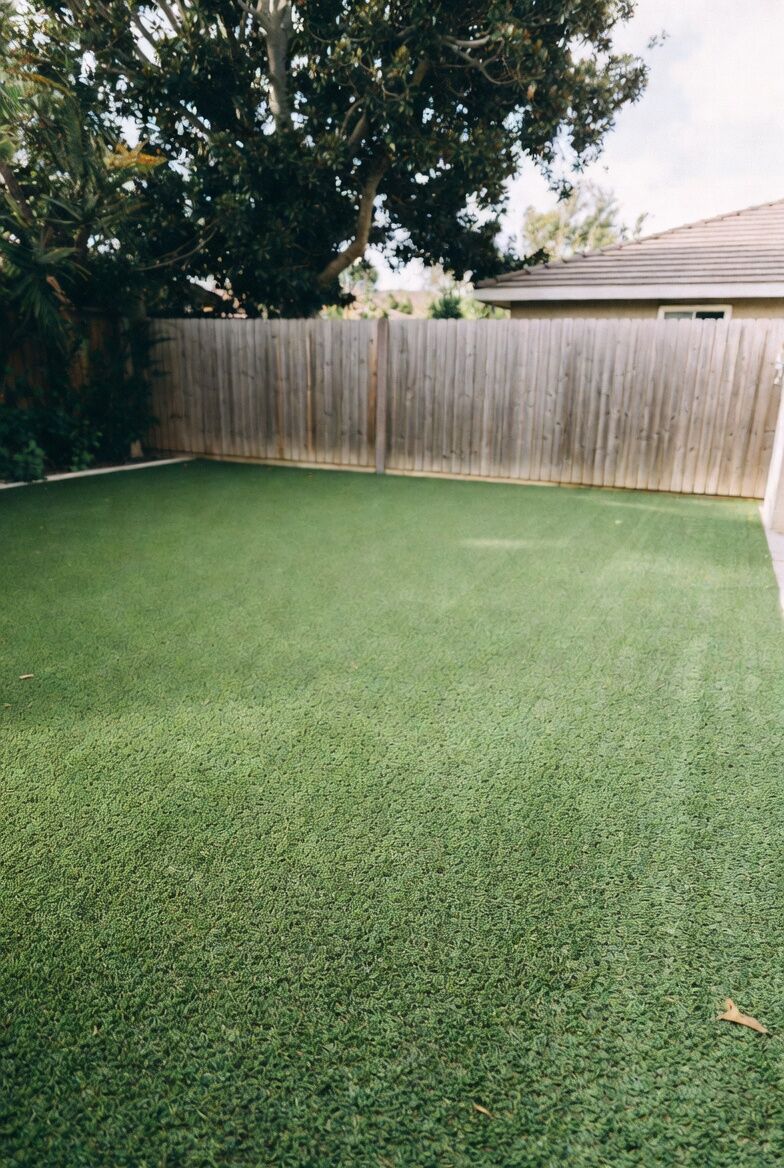
Plan for paws and people
When outdoor space serves both pets and people, each use deserves more than leftover room. For an Acworth project, map the dog route separately from the dining area and the path guests use from the house. These are planning options, not assumptions about every local household. Separating the activities on paper helps identify where a washable surface, a clearer walkway or a better edge would make the biggest difference.
Your Acworth project brief
Record how the space is cleaned now and where water can be reached. Include the number and habits of pets in your consultation notes rather than choosing turf only by its appearance. If there are no pets, use the same exercise for recurring foot traffic or children's play. The goal is a layout that supports actual routines instead of a photograph that is difficult to live with.
A practical check before design
Describe the cleaning routine as a sequence: collect, rinse where appropriate, then regain access to the rest of the yard. Show where tools or supplies are kept and whether a gate has to remain closed while an animal is outside. These practical details help identify a layout that is manageable day after day, instead of assuming that a different material alone will organize every activity.
Separate symptom relief from surface replacement
A wet lawn, settling paving and persistent pooling may call for different investigations. Replacing the visible finish without understanding the water can leave the underlying concern unresolved. Bring the team a record of conditions rather than committing to a particular drain type first. Ask what maintenance access the system needs and how it can be checked later. The scope should also identify how disturbed surfaces will be restored, especially when drainage work is coordinated with turf or hardscaping.
Keep the water route visible
Georgia clay and drainage are recurring topics in LawnLogic's service guides. A new surface does not remove the need to understand the ground beneath it. Ask how water moves across the proposed area and where it leaves. Include nearby downspouts and changes in level in your photographs. A drainage recommendation should follow the site assessment rather than an assumption that all properties in a city behave alike.
Describe the water before buying a drain
A useful drainage assessment starts with observations: where water appears, when it collects and how it moves through the space. Photographs after rain can help explain a problem that is hard to see on a dry day. LawnLogic's drainage page lists French drains, surface drains, sump pumps, swales and grading solutions. That list is a set of possible approaches, not a diagnosis. The right response depends on the property and a workable discharge route.
Plan the handover conversation
Before accepting a finished project, ask for a walk-through of the important transitions and care requirements. Discuss what to watch for, how to clean the selected materials and whom to contact with a question. Warranty coverage should be reviewed for the actual product and scope rather than assumed from a general headline. Keeping the proposal and care guidance together gives you a useful reference after the construction work is complete.
Follow the whole route
Capturing water is only part of drainage design. Ask where it will travel afterward and how the proposed route relates to buildings, paving, planting and boundaries. Do not assume that moving water to the far side of a yard is an acceptable endpoint. Existing utilities and future outdoor work should be discussed before excavation. A clear plan explains both collection and discharge, along with any grading or surface restoration needed to make the installation function as intended.
Related decisions in Acworth
Use these guides to explore the interfaces around the main project. Related work is not automatically included in a quote.
Clear answers before you start
Questions worth asking
Will a particular drain solve every wet-yard problem?
No. The source, ground levels and a suitable outlet need assessment. Describe the symptom and provide photographs when possible. The team can then discuss whether grading, a collection system or another approach fits the site.
How do I explain mixed uses for an Acworth backyard?
List the activities that happen at the same time. A pet route through a seating area is different from occasional play on an open lawn. Share those overlaps with the team so the layout can address circulation, cleanup and surface choice together.
What should the drainage systems proposal explain?
Ask for the working area, preparation, selected materials and the transitions to existing features. For this service, pay particular attention to where water begins and where it can go. Confirm exclusions and any related work before comparing a final price.
How does Acworth's location affect the design?
Acworth is in Cobb County. Approximately 4.4 miles northwest of Kennesaw in a straight line. Those geographic facts do not describe the ground at your address. Site access, water movement and intended use still need assessment before a design is chosen.
Let’s make a practical plan
Tell us what you want your space to do.
Bring your questions, a few photographs and a rough outline. Start with an estimate, or contact Lawn Logic Turf to discuss the next step.
Prefer to talk? (706) 701-8873
Service basis: Drainage Systems guide. Local reference: Acworth site guide. Coordinates: U.S. Census 2020 Gazetteer. Distances use city internal points, not road routes. Turf product reference: SGW; see LawnLogic’s published product information. The 15-Year Platinum Promise is a turf warranty; confirm applicable terms for your product and scope, not unrelated construction.