Georgia / Local project guides
Good outdoor spaces start with a local plan.
Ten Georgia cities. Eleven practical service guides each. Find your city, explore the possibilities, and tell us what you want your yard to do.
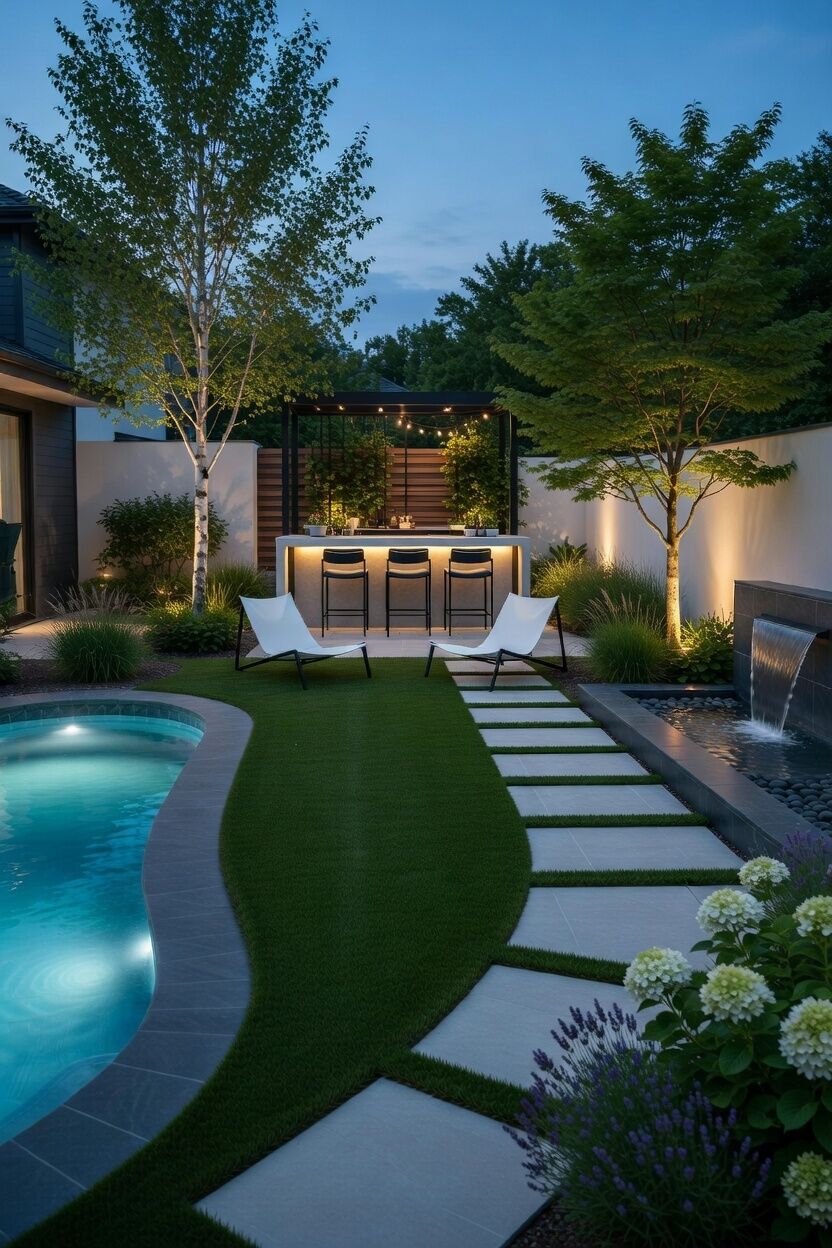
A local starting point, not a one-size-fits-all yard
These guides connect ten Georgia cities with the eleven turf and outdoor service categories in LawnLogic’s published offer statement. Use them to move from a broad idea to a practical conversation: what the space should do, what is staying, and what needs assessment. The collection does not assume every property in a city has the same soil, slope or access. Your address and your intended use matter more than a generalized promise about a whole community.
Find your city
Kennesaw
Start at the back door. Bring one wide photograph from the house and another looking back toward it.
View 11 service guides →Marietta
Keep what already works. Photograph the boundaries between surfaces: lawn beside paving, a step beside a bed, and the point where a gate opens.
View 11 service guides →Acworth
Plan for paws and people. Record how the space is cleaned now and where water can be reached.
View 11 service guides →Woodstock
Work from the gate inward. Walk from the street to the farthest corner of the proposed work.
View 11 service guides →Canton
Read the levels before the finishes. Take photographs after rainfall if water movement is part of your concern.
View 11 service guides →Roswell
Design the connections. Draw the doors that open toward the yard and show where chairs, tables or portable equipment sit during normal use.
View 11 service guides →Alpharetta
Make maintenance part of the design. Write down the outdoor tasks you want to reduce and the ones you are willing to continue.
View 11 service guides →Smyrna
Give every square foot a job. Measure the space that remains when doors swing open and chairs are pulled out.
View 11 service guides →Cartersville
Build the right first phase. Separate your wish list into essentials, useful additions and ideas for later.
View 11 service guides →Powder Springs
Follow the water before choosing a surface. Note where water first appears, which direction it moves and how long the area stays wet.
View 11 service guides →Choose a service for the way you live outside
Residential turf and pet turf address different patterns of use. Putting greens and sport courts begin with the intended activity, while commercial turf needs an operating and maintenance brief. Hardscaping, retaining walls and drainage can shape the foundation of a broader plan. Kitchens and pergolas introduce their own space and support decisions. Outdoor living design ties these choices together. None of those categories is a reason to add work your property does not need.
Record the existing conditions
A photograph shows appearance; a useful brief also records how the area behaves. Note the paths people repeat, the edges that collect debris and the places that stay wet. Measurements can be approximate at the first conversation. Keep observations separate from conclusions: describing a puddle is more helpful than deciding in advance that a particular product must be installed. The site visit can then test the idea against the actual property.
Compare a complete scope
Two proposals are difficult to compare when one includes preparation and the other describes only the finish. Ask what is being removed, what is being retained and how the new work meets it. Identify disposal, access protection and surface restoration where relevant. A clear list of inclusions and exclusions is more useful than a headline price without dimensions. Keep optional additions separate so the essential work remains visible.
Keep the water route visible
Georgia clay and drainage are recurring topics in LawnLogic's service guides. A new surface does not remove the need to understand the ground beneath it. Ask how water moves across the proposed area and where it leaves. Include nearby downspouts and changes in level in your photographs. A drainage recommendation should follow the site assessment rather than an assumption that all properties in a city behave alike.
Clear answers before you start
Questions worth asking
Where should I start if I need more than one service?
Choose your city and begin with the problem you most want to solve. Share the whole wish list during consultation, but distinguish essential work from optional additions. The city hub connects all eleven services so related decisions can be considered together.
Are these guides a site-specific design?
No. They explain service choices and help prepare a brief. City location and county do not establish the conditions at a particular address. Measurements, access, drainage and intended use still need assessment before a scope is finalized.
What does the artificial turf price range include?
The existing cost guide publishes a typical installed turf range of $8–$17 per square foot. It is an initial reference, not a quote for a measured yard or a price for kitchens, walls or other outdoor construction.
Does every outdoor service carry the turf warranty?
Do not assume that. LawnLogic publishes a 15-Year Platinum Promise for turf. Ask for the applicable product and workmanship terms for your actual scope. A general turf warranty headline should not be extended to unrelated structures or appliances.
Let’s make a practical plan
Tell us what you want your space to do.
Bring your questions, a few photographs and a rough outline. Start with an estimate, or contact Lawn Logic Turf to discuss the next step.
Prefer to talk? (706) 701-8873
Services: published offer statement. Turf pricing: cost guide. Geography: U.S. Census 2020 Gazetteer. Business contact details and SGW product reference: LawnLogic homepage.