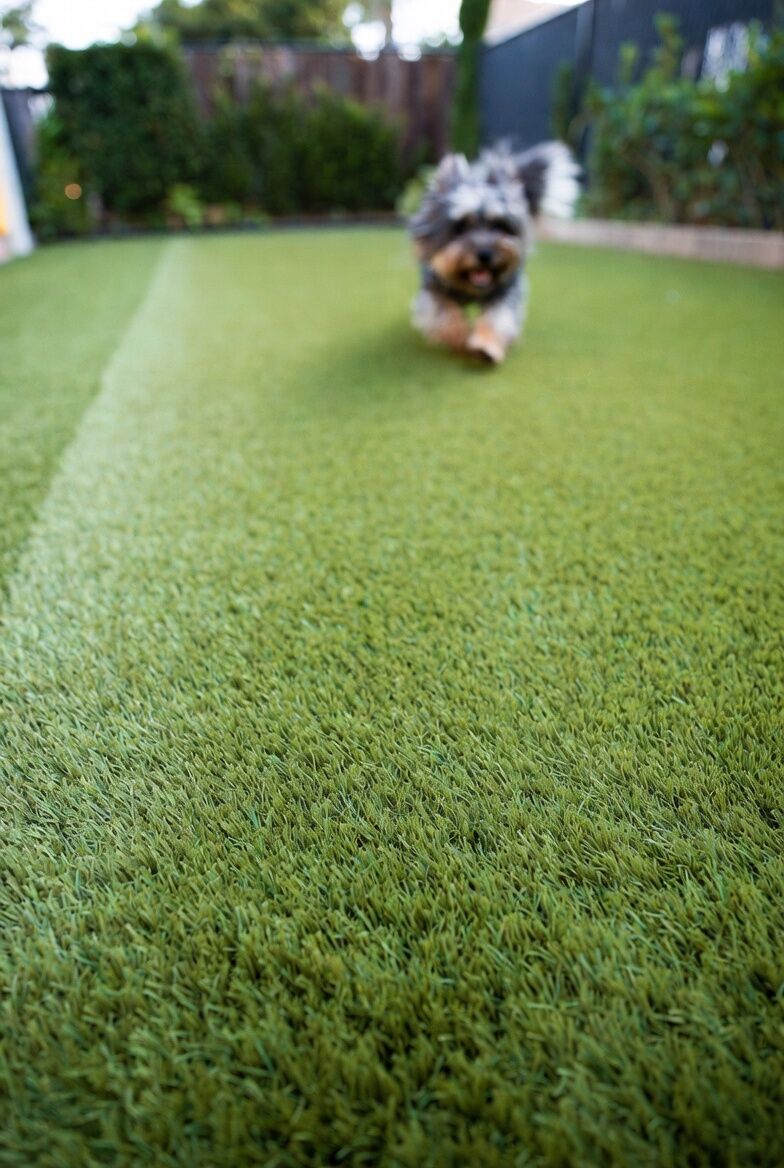
Strategic Photo Documentation for Cumming Projects
For your Cumming project, sketch the intended working area and take photographs from multiple vantage points to capture context. Include wide shots of the entire space, mid-range views highlighting key features, and close-ups of existing surfaces or obstructions. Ensure lighting is consistent and avoid glare or shadows that obscure details. Overhead images, when possible, help show site layout. Label each photograph clearly with location and orientation. This visual record supports accurate planning and communication with all involved parties.
Your Cumming project brief
Collecting photographs early ensures precise documentation of current conditions before any changes occur. Use a high-resolution camera or smartphone, holding it level to prevent distortion. Capture both day and dusk lighting if possible, noting time stamps. Focus on access points, retaining edges, and adjacent structures. Avoid filters or digital enhancements to preserve factual detail. Cross-reference photos with measured dimensions and site notes. These images become reference for design adjustments, material placement, and installation sequencing. Proper photo preparation reduces miscommunication and supports realistic expectations.
A practical check before design
Take wide-angle photos of the entire area from the perimeter and key sightlines, ensuring edges and boundaries are visible. Add mid-range shots focusing on access points, gates, and retained surfaces. Capture close-up images of existing materials, textures, and any irregularities. Include one photo with a measuring tape or known object for scale reference. Note the time, date, and compass direction for each image to aid in lighting analysis. Store all photographs in a single digital folder with consistent naming conventions for easy consultation review.
Pet Turf Planning for Your Cumming Project
For your Cumming project, sketch the intended working area and note how pets move through it—especially high-traffic zones like feeding spots or favorite resting places. Take clear photographs of the site from multiple angles to document existing surfaces, gate placements, and access points, making sure to capture how surrounding structures influence foot traffic. Consider retaining edges, sloped surfaces, and any nearby structures that might affect drainage or visibility. Compare material samples side by side to evaluate texture, pile height, and backing firmness under typical indoor lighting before committing. Think ahead about where toys, waste stations, or shade structures might go and how those affect usable space. Prepare a short list of questions the team hasn’t yet answered—such as how frequent cleaning might influence surface choice or whether existing boundaries could be adapted. Ask how pet behavior patterns might shift after installation and what adjustments could be made later. This preparation helps the team tailor recommendations more precisely to your daily routine.
Odor control begins with the system
Liquid needs to pass through the surface and continue through an appropriate base. A new grass face over an unresolved wet area is not a complete drainage plan. Ask how the base, backing and infill work together and how the low edges will be handled. A cleaning route and access to rinsing water matter too. Antimicrobial components do not replace removal of solid waste or regular cleaning; keep the expected care routine part of the selection discussion.
Compare a complete scope
Two proposals are difficult to compare when one includes preparation and the other describes only the finish. Ask what is being removed, what is being retained and how the new work meets it. Identify disposal, access protection and surface restoration where relevant. A clear list of inclusions and exclusions is more useful than a headline price without dimensions. Keep optional additions separate so the essential work remains visible.
Edges deserve a separate conversation
Fence lines, gates and the transition to a patio receive concentrated use. Review how the edge is secured and how it will be inspected after installation. Show any digging behavior or repeatedly worn routes rather than assuming all dogs use a yard alike. Shade, surface heat and access to drinking water remain everyday considerations in Georgia weather. A pet-turf design should support supervision and care, not be presented as a guarantee that the surface is comfortable in every condition.
Think about a hot afternoon
Georgia heat is already discussed throughout the site's turf guidance. Consider when you use the outdoor area and where shade is available. Manufactured surfaces are not a promise of cool barefoot conditions in direct sun. Discuss product choice, shade and everyday supervision where children or animals use the space. Visiting the proposed area at different times can give the design conversation better information than a single morning photograph.
Design around the animal's routine
A pet run is not simply a smaller decorative lawn. Dogs often repeat the same route, turn sharply near a gate and use particular corners. Tell the team how the space is used and how often it is cleaned. The pet-turf service page describes durable backing, permeable construction and antimicrobial infill options. Product choice should follow those practical needs, with enough room for people to collect waste and reach the whole surface without awkward detours.
Related decisions in Cumming
Use these guides to explore the interfaces around the main project. Related work is not automatically included in a quote.
Clear answers before you start
Questions worth asking
Does pet turf mean I can stop cleaning the yard?
No. Solid waste still needs prompt removal, and rinsing and product-appropriate cleaning remain important. Discuss the backing, infill and drainage system alongside the cleaning routine so maintenance expectations are clear before installation.
What types of photographs should be taken before planning artificial turf and construction in Cumming?
Begin by photographing the full site from several angles to show spatial relationships and boundaries. Include close-ups of existing surfaces, drainage features, and any obstructions such as utility caps or low-hanging elements. Capture gate positions, access routes for equipment, and retained surfaces like walls or steps. Ensure photos include reference points like corners or fixed markers. Use a ruler or known object in one close-up for scale. These images guide layout decisions, material selection, and installation logistics. Organize them digitally with clear filenames for easy retrieval during consultation.
What should the pet turf proposal explain?
Ask for the working area, preparation, selected materials and the transitions to existing features. For this service, pay particular attention to cleanup and concentrated pet traffic. Confirm exclusions and any related work before comparing a final price.
How does Cumming's location affect the design?
Cumming is in Forsyth County. Approximately 30.3 miles northeast of Kennesaw in a straight line. Those geographic facts do not describe the ground at your address. Site access, water movement and intended use still need assessment before a design is chosen.
Let’s make a practical plan
Tell us what you want your space to do.
Bring your questions, a few photographs and a rough outline. Start with an estimate, or contact Lawn Logic Turf to discuss the next step.
Prefer to talk? (706) 701-8873
Service basis: Pet Turf guide. Coordinates: U.S. Census 2020 Gazetteer. Distances use city internal points, not road routes. Turf product reference: SGW; see LawnLogic’s published product information. The 15-Year Platinum Promise is a turf warranty; confirm applicable terms for your product and scope, not unrelated construction.