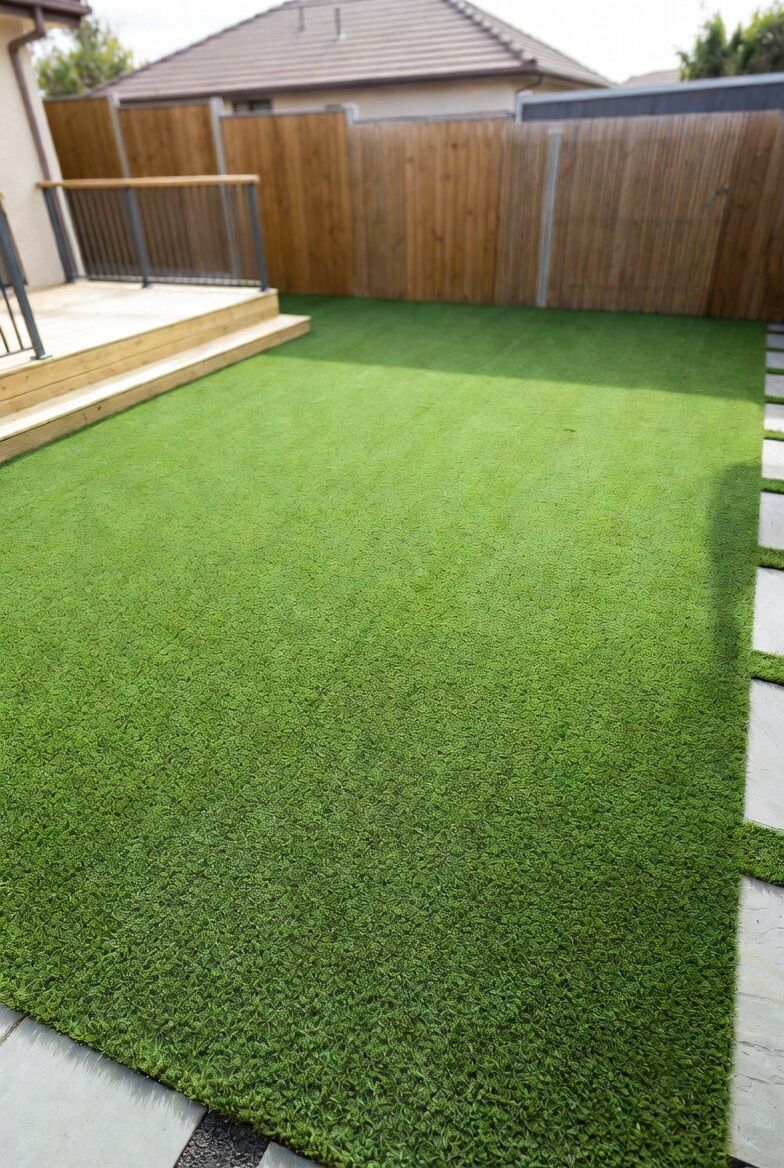
Smart turf and hardscape planning for Doraville
For your Doraville project, sketch the intended working area and note existing features like trees, slopes, or structures. Measure dimensions carefully and take clear photos from multiple angles to capture how light falls and how space feels. Consider how people move through the area and where seating, play, or storage might fit. Think about proximity to doors, walkways, and driveways. This visual and spatial prep helps the team understand your goals and constraints before any site visit.
Your Doraville project brief
Begin by identifying the primary function of the space—relaxation, play, or utility—and how its layout supports that. Note where access points such as gates, steps, or pathways intersect the area. Observe existing surfaces and how they connect to adjacent zones. Gather measurements for length, width, and any irregular shapes. Snap photos of current conditions and label them if helpful. This preparation gives the team a clear starting point for discussing material options and design possibilities.
A practical check before design
During your preparation, record precise dimensions of the intended turf and hardscape zones, including any curves or angles, and note how these spaces relate to doors, walkways, and adjacent surfaces. Take well-lit photos that show both the broader layout and details like existing barriers or entry points. Consider how people move through the area and where seating or storage might fit comfortably. Observe how light falls at different times and where shadows appear, as this can influence material choice. Bring notes on your priorities, such as durability, appearance, or ease of access, to guide the conversation.
Hardscaping Planning for Your Doraville Project
For your Doraville project, sketch the intended working area and note existing features like gates, driveways, and retaining edges. Take clear photographs from multiple angles to capture how surfaces meet and how people move through the space. Consider where furniture will sit and how wide paths need to be for comfortable access—think about swing doors, wheelbarrow space, and clearance around outdoor elements. Compare material options by reviewing their thickness, texture, and how they’ll lay over time on level ground. Ask yourself how the space will be used: will it handle foot traffic from multiple directions? Will furniture need to be moved regularly? For a distinctive practical exercise, outline boundary lines on paper using existing property corners or markers as reference points, then verify those lines with a measured walk-around and cross-check with any available surveys or deeds. Bring those notes and photos to your consultation to help the team ask the right questions about your goals and constraints.
Draw the furniture before the border
A patio is useful when people can sit, move chairs and walk through it comfortably. Start with the intended activity and a realistic furniture layout, then choose the outline. LawnLogic's paver guide describes natural stone, concrete, brick and porcelain options. Their appearance is only one part of the decision. Discuss the way the surface will meet doorways, steps and the lawn, especially where a narrow connection might interrupt the route through the outdoor space.
Think about a hot afternoon
Georgia heat is already discussed throughout the site's turf guidance. Consider when you use the outdoor area and where shade is available. Manufactured surfaces are not a promise of cool barefoot conditions in direct sun. Discuss product choice, shade and everyday supervision where children or animals use the space. Visiting the proposed area at different times can give the design conversation better information than a single morning photograph.
The base and grading carry the design
Hardscaping depends on preparation beneath the visible finish. Ask how the proposed base, levels and drainage fit the site. A decorative pattern does not solve an existing low point. Review the edges and the connection to retained planting or paving so the installation has a defined boundary. If a later kitchen, wall or pergola is contemplated, mention it before the patio is built; future supports or utilities can affect decisions that are inconvenient to revisit.
Plan the handover conversation
Before accepting a finished project, ask for a walk-through of the important transitions and care requirements. Discuss what to watch for, how to clean the selected materials and whom to contact with a question. Warranty coverage should be reviewed for the actual product and scope rather than assumed from a general headline. Keeping the proposal and care guidance together gives you a useful reference after the construction work is complete.
Compare materials through the care routine
Pavers vary in texture, appearance and cleaning needs. Bring examples of the look you prefer, but ask about the selected product rather than assuming every finish behaves the same way. The existing service page discusses sweeping, washing and optional sealing. Confirm what care is appropriate for the actual material. A good proposal distinguishes the paved area, removal and preparation, edge work and any separate drainage or structural work, making different layouts easier to compare fairly.
Related decisions in Doraville
Use these guides to explore the interfaces around the main project. Related work is not automatically included in a quote.
Clear answers before you start
Questions worth asking
Can new paving work with an existing outdoor area?
Existing patios, beds and other features can inform the design. Their condition and levels need assessment before a connection is promised. Show the team what you want to retain and ask the proposal to identify each old-to-new transition.
What key features should you photograph and measure before the consultation?
Before the consultation, photograph the full area from several vantage points, especially where changes are planned and where existing elements like fences, steps, or doors open. Measure perimeter lengths, gate openings, and distances to nearby structures. Include close-ups of surface conditions and transitions between materials. Note where slopes begin or change direction, and where retaining or grading may be relevant. This documentation helps the team visualize the space and ask focused questions during the session.
What should the hardscaping proposal explain?
Ask for the working area, preparation, selected materials and the transitions to existing features. For this service, pay particular attention to furniture clearances and the paved route. Confirm exclusions and any related work before comparing a final price.
How does Doraville's location affect the design?
Doraville is in DeKalb County. Approximately 21.5 miles east of Kennesaw in a straight line. Those geographic facts do not describe the ground at your address. Site access, water movement and intended use still need assessment before a design is chosen.
Let’s make a practical plan
Tell us what you want your space to do.
Bring your questions, a few photographs and a rough outline. Start with an estimate, or contact Lawn Logic Turf to discuss the next step.
Prefer to talk? (706) 701-8873
Service basis: Hardscaping guide. Coordinates: U.S. Census 2020 Gazetteer. Distances use city internal points, not road routes. Turf product reference: SGW; see LawnLogic’s published product information. The 15-Year Platinum Promise is a turf warranty; confirm applicable terms for your product and scope, not unrelated construction.