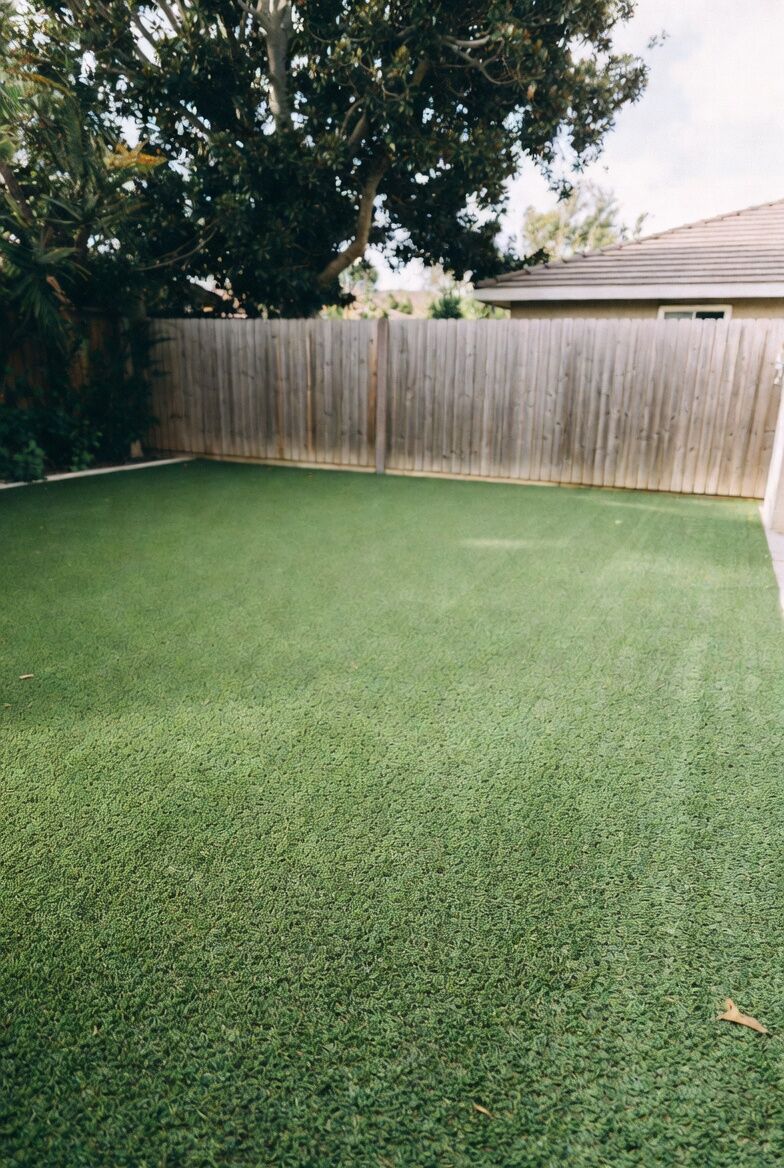
Protecting Existing Surfaces During Turf Installation
For your Grayson project, sketch the intended working area and identify all retained features such as patios, walkways, or irrigation lines. Note existing slopes, drainage paths, and structural attachments. Capture high-resolution photographs of these elements from multiple angles to guide accurate layout planning. This groundwork ensures no unintended damage occurs during turf preparation or installation phases.
Your Grayson project brief
Begin by documenting all fixed elements that must remain intact, including retaining walls, lighting fixtures, and boundary markers. Use measured drawings to overlay proposed turf zones and confirm clear separation from protected areas. Verify gate placements align with new access routes while avoiding interference with existing structures. Confirm utility locations to prevent accidental disruption during excavation or compaction work.
A practical check before design
Confirm all retained surfaces are mapped and flagged on-site before equipment entry. Install protective barriers around fixed assets such as walkways, stairs, or structural foundations. Double-check utility locations using prior documentation or visual inspection. Review layout plans to ensure turf edges do not encroach on protected zones. Verify gate clearances and swing paths remain unobstructed. Conduct final walkthrough with all team members to align on protection protocols before installation proceeds.
Residential Turf Planning for Grayson Projects
For your Grayson project, sketch the intended working area and note how daily paths cross the space—this helps preserve retained features like existing gates, steps, or low retaining walls. Take clear photographs from multiple angles to capture how light hits surfaces and how people naturally move through the area. Consider where furniture, play equipment, or pet areas will sit and ensure those zones are included in your layout sketch. Ask yourself how the space transitions between indoors and out, and whether access points for deliveries or future equipment might be needed. Compare material options side-by-side: texture, pile height, and backing type can affect how the space feels underfoot and how it integrates with nearby hardscapes. Think about how the surface will look when viewed from common indoor vantage points. Prepare a few specific questions for the consultation team, such as how a slight slope might influence drainage or how existing edging could be incorporated. Keep the outline flexible enough to accommodate future changes while honoring the space’s existing flow.
The important work is underneath
The residential service guide describes base preparation, separation over clay, seam quality and secure edging as important parts of an installation. Those details should be visible in the proposal, not hidden behind a product photograph. Water still needs somewhere to go after it passes through turf. Ask how the prepared area will meet paving, planting beds and steps so that the edge works as a transition rather than becoming an obstacle or a place that collects debris.
Think about a hot afternoon
Georgia heat is already discussed throughout the site's turf guidance. Consider when you use the outdoor area and where shade is available. Manufactured surfaces are not a promise of cool barefoot conditions in direct sun. Discuss product choice, shade and everyday supervision where children or animals use the space. Visiting the proposed area at different times can give the design conversation better information than a single morning photograph.
A lawn without mowing still needs care
Artificial turf changes the maintenance routine; it does not eliminate every task. Leaves and other debris need removal, fibers may need brushing, and heavily used areas deserve periodic inspection. Discuss pets and movable furniture before selecting the product. LawnLogic publishes a typical artificial-turf installed range of $8–$17 per square foot on its cost page. Treat that as an initial planning range, not a measured quote or a price for unrelated outdoor construction.
Use samples as a decision tool
Look at proposed materials beside the surfaces you intend to keep. Color, texture and transitions can read differently outside than on a screen. Samples are useful for narrowing preferences, but they do not demonstrate the base preparation or drainage beneath a finished installation. Ask both questions: how will this look in the setting, and what construction is needed for it to function as intended?
Choose the lawn you will actually use
Residential artificial turf replaces a growing lawn with a manufactured surface supported by a prepared base. The decision is about use as much as appearance: a front lawn, family backyard and narrow side passage do not experience the same traffic. Start by identifying the area that needs to stay open and the routes that repeatedly wear down. Compare samples in the setting where they will be used, and discuss the feel, pile and care needs rather than selecting only the greenest color.
Related decisions in Grayson
Use these guides to explore the interfaces around the main project. Related work is not automatically included in a quote.
Clear answers before you start
Questions worth asking
How is residential turf different from a decorative mat?
The installed system includes the prepared ground, base, edges, seams and infill where specified. Ask for those elements in the scope rather than comparing only the visible grass. The property assessment determines what preparation is appropriate.
How should retained surfaces be safeguarded during artificial turf installation?
For your Grayson project, establish physical barriers around all retained features before any groundwork begins. Use protective sheeting where contact is unavoidable and mark boundaries clearly to guide equipment operators. Review installation sequencing to minimize foot traffic near delicate areas. Confirm that edging materials will not shift or settle unevenly under adjacent turf loads, and verify that all retained elements remain functional after construction activities conclude.
What should the residential turf proposal explain?
Ask for the working area, preparation, selected materials and the transitions to existing features. For this service, pay particular attention to the daily route across the lawn. Confirm exclusions and any related work before comparing a final price.
How does Grayson's location affect the design?
Grayson is in Gwinnett County. Approximately 38.9 miles east of Kennesaw in a straight line. Those geographic facts do not describe the ground at your address. Site access, water movement and intended use still need assessment before a design is chosen.
Let’s make a practical plan
Tell us what you want your space to do.
Bring your questions, a few photographs and a rough outline. Start with an estimate, or contact Lawn Logic Turf to discuss the next step.
Prefer to talk? (706) 701-8873
Service basis: Residential Turf guide. Coordinates: U.S. Census 2020 Gazetteer. Distances use city internal points, not road routes. Turf product reference: SGW; see LawnLogic’s published product information. The 15-Year Platinum Promise is a turf warranty; confirm applicable terms for your product and scope, not unrelated construction.