Follow the water before choosing a surface
For a Powder Springs project, record what happens during and after rain before deciding that the visible surface is the entire problem. A wet route beside the house may need a different response from a worn open lawn. This does not diagnose any particular property. It simply gives the assessment better evidence and keeps water management part of the conversation instead of an afterthought beneath a new finish.
Your Powder Springs project brief
Note where water first appears, which direction it moves and how long the area stays wet. Photograph gutters, paved edges and low points from a safe position. Do not redirect runoff toward a neighbor or assume a drain can discharge anywhere convenient. Bring those observations with the surface measurements so the proposed improvement can address both the way the yard looks and the way it functions.
A practical check before design
Separate the places where water is visible from the places where you suspect it begins. The two may not be identical. Describe what you have seen and let the assessment establish the connection. A dated photograph is more useful than a guess about an underground cause. Keep any proposed surface finish provisional until the water route and the limits of the work are understood.
Design the whole, then choose the parts
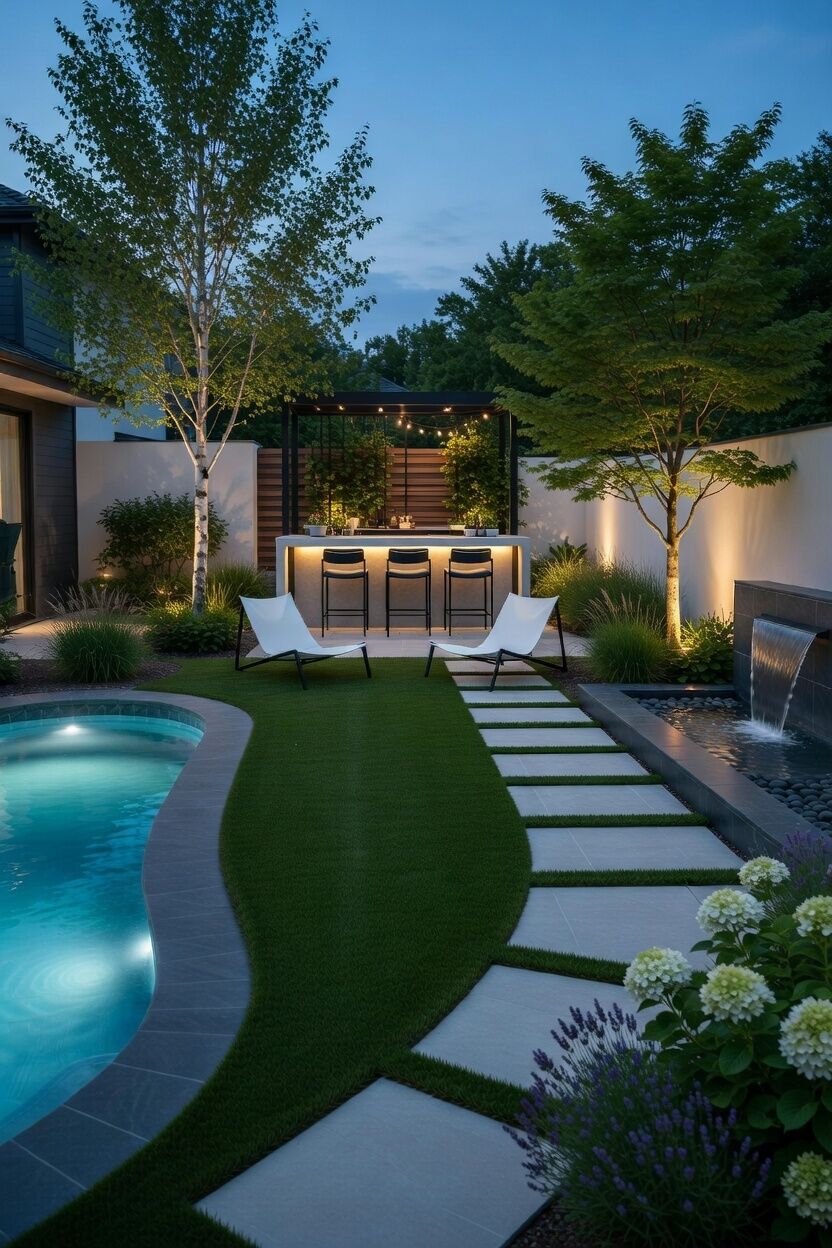
Outdoor living design brings the separate decisions into one layout. LawnLogic's existing guide describes combining turf, patios, seating, shade and cooking features. Begin with the activities that matter rather than requesting every possible element. A quiet seating space and an active practice area may need different positions. Show the routes between doors and destinations so the design supports movement as well as the view from the house.
Think about a hot afternoon
Georgia heat is already discussed throughout the site's turf guidance. Consider when you use the outdoor area and where shade is available. Manufactured surfaces are not a promise of cool barefoot conditions in direct sun. Discuss product choice, shade and everyday supervision where children or animals use the space. Visiting the proposed area at different times can give the design conversation better information than a single morning photograph.
Establish a sensible build sequence
Some work belongs below the finished surfaces: drainage, preparation, utility routes and structural support may affect later choices. Discuss those relationships before committing to individual finishes. A coordinated plan can still be built in phases, but the phase boundaries need definition. Ask what must happen first, what can remain temporary and how later access will be preserved. The aim is to avoid a new feature blocking the construction or drainage needs of the next one.
Protect future options
Tell the team about later plans even if the first quote covers only one improvement. A future shade structure, cooking area or new path may affect preparation today. Ask which decisions are permanent and which can wait. Phasing works best with a defined endpoint for each stage, not an unfinished edge that is assumed to fit whatever comes next. Keep future ideas labeled as options rather than implied inclusions.
Keep priorities visible in the proposal
Separate essentials from optional additions and identify what success looks like for daily use. Materials, dimensions and care requirements should support that brief rather than becoming a disconnected shopping list. Ask the team to show the interfaces between surfaces and explain the maintenance routine for each part. A clear scope distinguishes design decisions, included construction and future possibilities. It helps you choose a coherent first step without assuming a complete yard transformation has a single standard price.
Related decisions in Powder Springs
Use these guides to explore the interfaces around the main project. Related work is not automatically included in a quote.
Clear answers before you start
Questions worth asking
Does a coordinated design require building everything at once?
Not necessarily. A whole-space plan can guide a smaller first phase. Discuss permanent levels, drainage and access early, and ask for clear boundaries between current work and future options so later additions do not require avoidable rework.
What rainfall information helps a Powder Springs assessment?
A few dated photos and a description of where water lingers are useful starting points. Include nearby downspouts and surface edges in the photographs. The team still needs to assess the site before recommending grading, a drain or a different surface layout.
What should the outdoor living design proposal explain?
Ask for the working area, preparation, selected materials and the transitions to existing features. For this service, pay particular attention to the relationship between activities and construction phases. Confirm exclusions and any related work before comparing a final price.
How does Powder Springs's location affect the design?
Powder Springs is in Cobb County. Approximately 11.8 miles south of Kennesaw in a straight line. Those geographic facts do not describe the ground at your address. Site access, water movement and intended use still need assessment before a design is chosen.
Let’s make a practical plan
Tell us what you want your space to do.
Bring your questions, a few photographs and a rough outline. Start with an estimate, or contact Lawn Logic Turf to discuss the next step.
Prefer to talk? (706) 701-8873
Service basis: Outdoor Living Design guide. Local reference: Powder Springs site guide. Coordinates: U.S. Census 2020 Gazetteer. Distances use city internal points, not road routes. Turf product reference: SGW; see LawnLogic’s published product information. The 15-Year Platinum Promise is a turf warranty; confirm applicable terms for your product and scope, not unrelated construction.