Follow the water before choosing a surface
For a Powder Springs project, record what happens during and after rain before deciding that the visible surface is the entire problem. A wet route beside the house may need a different response from a worn open lawn. This does not diagnose any particular property. It simply gives the assessment better evidence and keeps water management part of the conversation instead of an afterthought beneath a new finish.
Your Powder Springs project brief
Note where water first appears, which direction it moves and how long the area stays wet. Photograph gutters, paved edges and low points from a safe position. Do not redirect runoff toward a neighbor or assume a drain can discharge anywhere convenient. Bring those observations with the surface measurements so the proposed improvement can address both the way the yard looks and the way it functions.
A practical check before design
Separate the places where water is visible from the places where you suspect it begins. The two may not be identical. Describe what you have seen and let the assessment establish the connection. A dated photograph is more useful than a guess about an underground cause. Keep any proposed surface finish provisional until the water route and the limits of the work are understood.
Design around the animal's routine
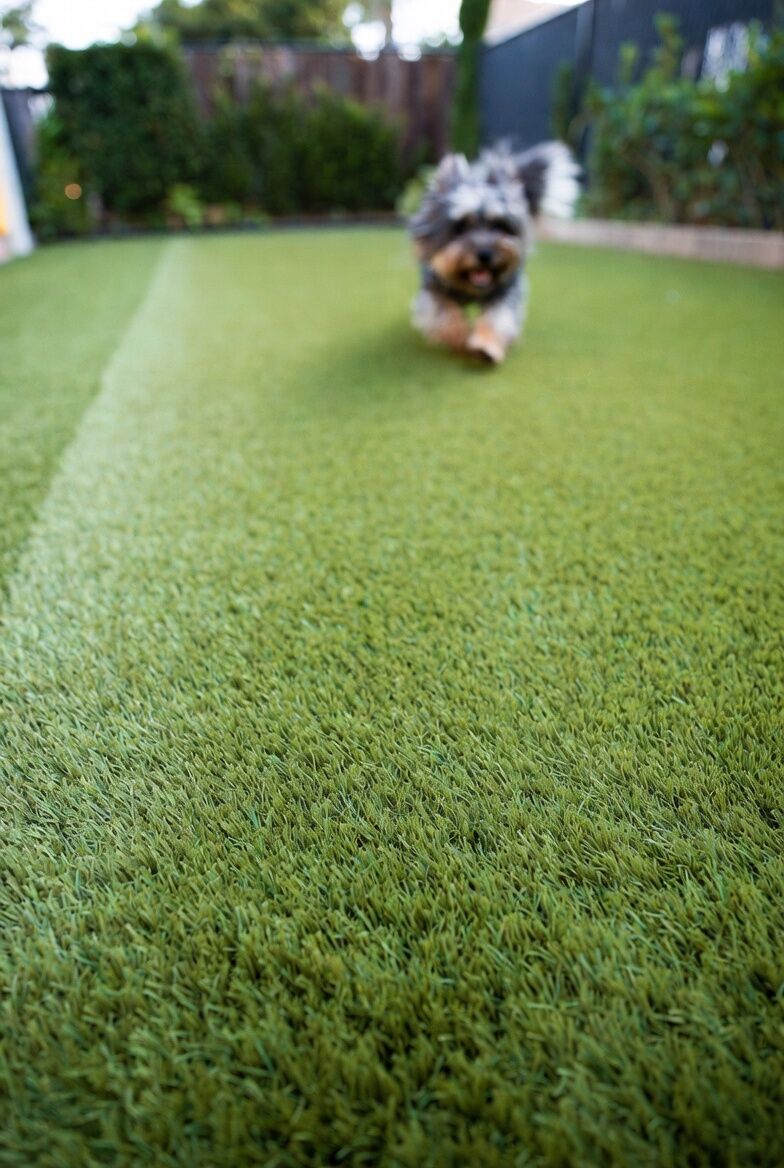
A pet run is not simply a smaller decorative lawn. Dogs often repeat the same route, turn sharply near a gate and use particular corners. Tell the team how the space is used and how often it is cleaned. The pet-turf service page describes durable backing, permeable construction and antimicrobial infill options. Product choice should follow those practical needs, with enough room for people to collect waste and reach the whole surface without awkward detours.
Compare a complete scope
Two proposals are difficult to compare when one includes preparation and the other describes only the finish. Ask what is being removed, what is being retained and how the new work meets it. Identify disposal, access protection and surface restoration where relevant. A clear list of inclusions and exclusions is more useful than a headline price without dimensions. Keep optional additions separate so the essential work remains visible.
Odor control begins with the system
Liquid needs to pass through the surface and continue through an appropriate base. A new grass face over an unresolved wet area is not a complete drainage plan. Ask how the base, backing and infill work together and how the low edges will be handled. A cleaning route and access to rinsing water matter too. Antimicrobial components do not replace removal of solid waste or regular cleaning; keep the expected care routine part of the selection discussion.
Keep the water route visible
Georgia clay and drainage are recurring topics in LawnLogic's service guides. A new surface does not remove the need to understand the ground beneath it. Ask how water moves across the proposed area and where it leaves. Include nearby downspouts and changes in level in your photographs. A drainage recommendation should follow the site assessment rather than an assumption that all properties in a city behave alike.
Edges deserve a separate conversation
Fence lines, gates and the transition to a patio receive concentrated use. Review how the edge is secured and how it will be inspected after installation. Show any digging behavior or repeatedly worn routes rather than assuming all dogs use a yard alike. Shade, surface heat and access to drinking water remain everyday considerations in Georgia weather. A pet-turf design should support supervision and care, not be presented as a guarantee that the surface is comfortable in every condition.
Related decisions in Powder Springs
Use these guides to explore the interfaces around the main project. Related work is not automatically included in a quote.
Clear answers before you start
Questions worth asking
Does pet turf mean I can stop cleaning the yard?
No. Solid waste still needs prompt removal, and rinsing and product-appropriate cleaning remain important. Discuss the backing, infill and drainage system alongside the cleaning routine so maintenance expectations are clear before installation.
What rainfall information helps a Powder Springs assessment?
A few dated photos and a description of where water lingers are useful starting points. Include nearby downspouts and surface edges in the photographs. The team still needs to assess the site before recommending grading, a drain or a different surface layout.
What should the pet turf proposal explain?
Ask for the working area, preparation, selected materials and the transitions to existing features. For this service, pay particular attention to cleanup and concentrated pet traffic. Confirm exclusions and any related work before comparing a final price.
How does Powder Springs's location affect the design?
Powder Springs is in Cobb County. Approximately 11.8 miles south of Kennesaw in a straight line. Those geographic facts do not describe the ground at your address. Site access, water movement and intended use still need assessment before a design is chosen.
Let’s make a practical plan
Tell us what you want your space to do.
Bring your questions, a few photographs and a rough outline. Start with an estimate, or contact Lawn Logic Turf to discuss the next step.
Prefer to talk? (706) 701-8873
Service basis: Pet Turf guide. Local reference: Powder Springs site guide. Coordinates: U.S. Census 2020 Gazetteer. Distances use city internal points, not road routes. Turf product reference: SGW; see LawnLogic’s published product information. The 15-Year Platinum Promise is a turf warranty; confirm applicable terms for your product and scope, not unrelated construction.