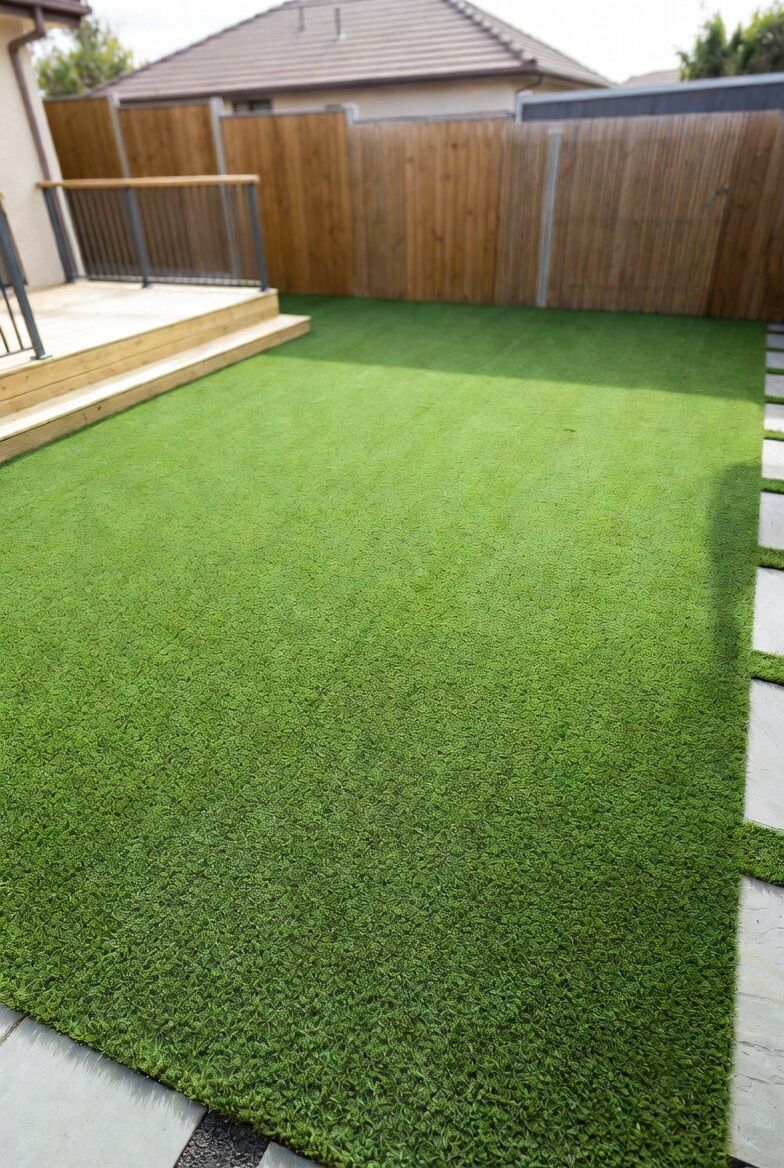
Preserve Existing Surfaces During Turf Installation
For your Scottdale project, sketch the intended working area and note all existing structures, walkways, or hardscapes meant to stay intact. Identify where new turf connects to adjacent surfaces like concrete, pavers, or gravel. Gather clear photographs of the site from multiple angles before any work begins. This documentation helps avoid accidental damage and ensures proper transitions between old and new elements during construction.
Bring a more useful brief
The planning phase should focus on protecting retained features through careful measurement and layout. Mark boundaries of upcoming installations precisely and verify clearances from fixed elements. Review access routes for equipment and materials to prevent unintended contact with preserved surfaces. Clarify how existing drainage features integrate with new construction. Confirm compatibility between materials and avoid assumptions about surface levels. Use this groundwork to guide decisions on edge restraints, seam placement, and infill depth.
Test the plan before choosing finishes
Measure and photograph all existing surfaces before work begins, verify gate widths and access points for equipment, confirm locations of retained features using layout stakes, review material delivery routes to avoid contact with preserved areas, install temporary protection barriers where necessary, mark seam lines relative to adjacent materials, document installation progress at key stages, and conduct final walkthrough to compare before-and-after conditions.
Choose by purpose
11 ways to shape your outdoor space
Residential Turf
Consider where furniture, play items or outdoor fixtures will sit and whether their placement may affect drainage flow or visual continuity. Compare how different turf textures or pile heights might influence appearance and feel underfoot near high-traffic zones.
Explore residential turf →Pet Turf
Consider how a pet gate or barrier might naturally guide traffic away from retained hardscapes such as patios or walkways, and think about how access points would function during routine use versus occasional cleanup. Ask yourself how deep the turf needs to be for durability, whether edges should slope slightly for drainage, and how nearby structures might affect light or heat buildup.
Explore pet turf →Putting Greens
Think about where ball return zones or waiting areas might overlap with retained spaces and whether adjustments could preserve both function and continuity. Discuss with the team how material transitions will look and feel underfoot, and whether access routes for equipment or future adjustments remain viable without altering key surfaces.
Explore putting greens →Sport Courts
Reflect on how the court integrates with the broader outdoor space without disrupting existing features. Keep safety and circulation in mind while weighing visual appeal against functional performance.
Explore sport courts →Commercial Turf
Take photographs from multiple angles to capture how light falls across surfaces and how adjacent areas interact with the proposed turf zone. Compare material options based on durability, appearance, and how they coordinate with surrounding hardscapes.
Explore commercial turf →Hardscaping
Consider gate placement and swing clearance, especially near retained fencing or structures, and measure all relevant openings to confirm furniture will fit without obstruction. Think about how activity zones will align with the existing paved route, avoiding tight turns or uneven transitions.
Explore hardscaping →Retaining Walls
Think about how the area above and below the wall will be used, such as for seating, play, or passage, and whether those activities require specific clearance or finishes. Compare material options not just by appearance but by how they handle moisture and settling over time.
Explore retaining walls →Drainage Systems
Compare how different surface materials affect runoff volume and speed. Review the proposal to confirm whether grading adjustments or overflow provisions are included.
Explore drainage systems →Outdoor Kitchens
Prepare questions for the consultation team about retention of existing surfaces, integration with nearby hardscapes, and how utility access might influence layout decisions. Focus on how the design preserves the integrity of surrounding areas while supporting smooth, functional use.
Explore outdoor kitchens →Pergolas
Take photographs from multiple angles—front, side, and slightly elevated—to show existing features like railings, steps, or adjacent walls that might influence design choices. Compare potential materials for frame and roof elements, keeping in mind how each will look in natural light.
Explore pergolas →Outdoor Living Design
Ask how retained hardscapes will be protected during later phases and whether proposed elements need adjustments to fit around them. Compare material options not just by appearance but by how they align with your activity goals—whether you want a place for quiet relaxation or more active gathering.
Explore outdoor living design →Make room for routine care
Consider how you will remove leaves, reach edges and clean the finished area. A narrow strip behind furniture may look attractive in a drawing but be awkward to maintain. Discuss the care instructions for the selected product and identify any tools or access needed. Low-maintenance materials still benefit from attention, and a practical layout can make that attention easier to provide throughout the year.
Explain the household schedule
A practical installation conversation includes the route you must keep using and the times access matters. Mention pets, deliveries and any shared paths before work is planned. Do not assume a general installation duration applies to your project; scope and conditions influence scheduling. Ask how the work area will be separated from normal activity and what needs to happen before it can be used again.
Clear answers before you start
Questions worth asking
How do you ensure adjacent surfaces remain undamaged during turf installation?
Begin by clearly marking retained features using physical stakes or spray paint that won’t stain. Establish work zones to restrict movement to designated paths, minimizing foot traffic near protected areas. Use protective barriers such as plywood or rubber mats where equipment must pass near vulnerable edges. Double-check equipment dimensions against site measurements before moving machinery. Document current conditions with dated photos. Coordinate installation sequence to avoid repeated repositioning near delicate zones.
Which services can I explore in Scottdale?
These guides cover residential turf, pet turf, putting greens, sport courts, commercial turf, hardscaping, retaining walls, drainage systems, outdoor kitchens, pergolas and coordinated outdoor living design. Choose the primary purpose first, then consider related improvements.
Does LawnLogic install natural sod?
No. The published offer statement excludes natural sod, hydroseed, natural-grass installation, fertilization and natural-grass maintenance. These guides focus on artificial turf and the outdoor improvement categories actually listed by LawnLogic.
Is the turf price range a quote for every service?
No. The cost guide's $8–$17 per square foot installed range is for typical artificial turf planning. Walls, kitchens, drainage and other construction need their own scope. An address-specific assessment is needed before a project price is established.
Let’s make a practical plan
Tell us what you want your space to do.
Bring your questions, a few photographs and a rough outline. Start with an estimate, or contact Lawn Logic Turf to discuss the next step.
Prefer to talk? (706) 701-8873
Straight-line distances use U.S. Census 2020 Gazetteer internal points, not driving routes. Service categories follow the published offer statement. No city-wide soil condition or permit rule is assumed.