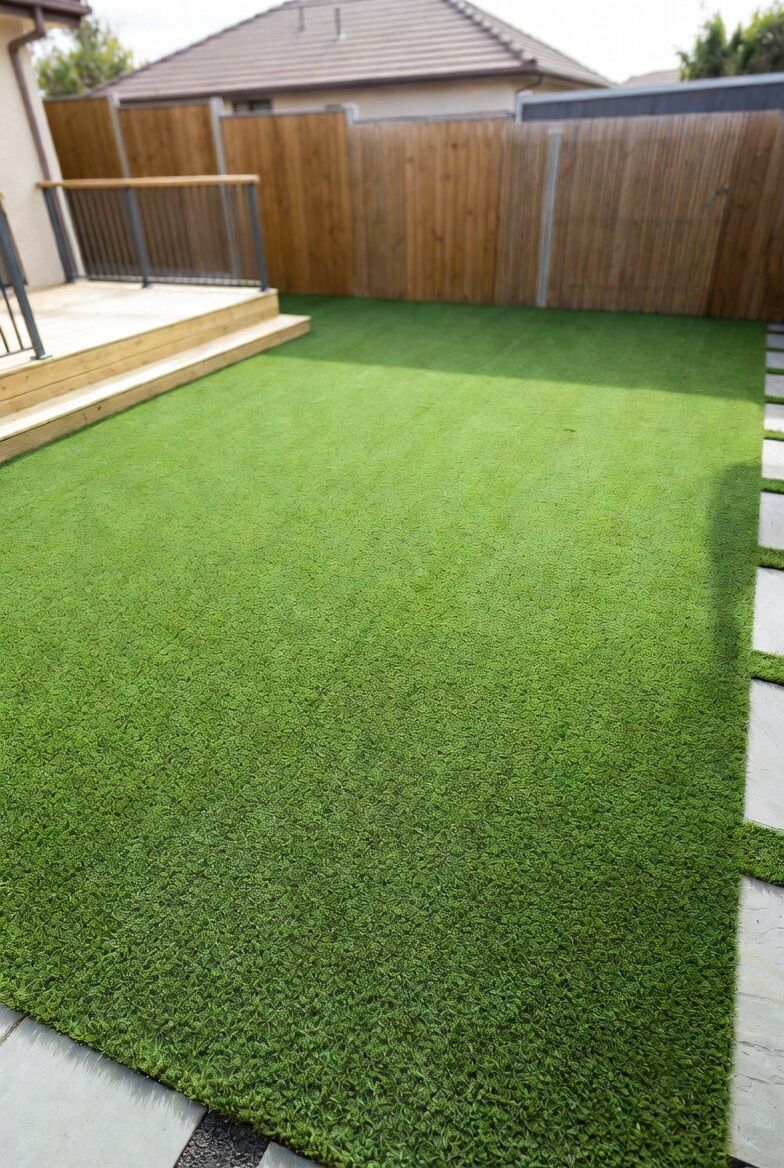
Measuring Boundaries and Access Points
For your Stone Mountain project, sketch the intended working area and note existing features like driveways, fences, and structures. Capture clear photographs from multiple angles to assess surface conditions and surrounding elements. Identify entry points for equipment and materials. Confirm dimensions of all zones to be modified, including setbacks from property lines. Note any underground utilities visible or known. This preparatory step ensures accurate scoping and minimizes on-site surprises during construction phases.
Your Stone Mountain project brief
Begin by outlining the precise footprint of the proposed turf installation or structure, including all dimensions and elevation changes. Use laser measuring tools for accuracy and document any sloped or retained surfaces. Photograph each angle of the site, focusing on access routes and obstacles. Compare material options side by side for durability and fit. Clarify how gates, doors, or pathways will integrate with new surfaces. This method reduces guesswork and supports consistent communication across project stages.
A practical check before design
Sketch the intended working area with exact dimensions, including all setbacks and elevation changes. Take overlapping photographs from multiple angles, capturing access routes and surrounding features. Verify gate locations, swing directions, and clearance requirements. Identify retained surfaces, such as steps or walls, and note their condition and integration needs. Check for underground utilities using visible markers or documented plans. Confirm entry points for equipment and materials are sufficient in width and height for planned tools and deliveries.
Consultation Planning for Artificial Turf and Outdoor Structures
For your Stone Mountain project, sketch the intended working area and note all property line distances to surrounding structures. Take clear photographs showing existing surfaces, gates, and access points, especially where new shade structures like pergolas might intersect with overhead lines or neighboring fences. Consider how people will move through and into the space, paying attention to door thresholds, pathway widths, and turning radii for equipment if needed. List all retained surfaces—patios, steps, retaining walls—that could influence layout decisions or require protection during future phases. Compare material options for pergola supports and finishes, considering how each interacts visually with your home’s exterior. Prepare questions about functional expectations, such as where seating or storage might integrate with the structure, and how lighting or accessories could be incorporated. Clarify how the design accounts for existing property boundaries and any visible easements or rights-of-way. The goal is to align the plan with your spatial goals while confirming what’s physically possible within the site’s constraints.
Place the supports on the plan
Posts and structural connections take space and influence circulation. Show furniture, doors, steps and existing paving while the design is still flexible. The support arrangement needs to work with the site and any adjoining surfaces, not be added as an afterthought. Discuss permit and structural requirements for the actual location and design; this page does not substitute a general rule for local review. If a patio is also planned, coordinate the support decisions before its finished surface is installed.
Record the existing conditions
A photograph shows appearance; a useful brief also records how the area behaves. Note the paths people repeat, the edges that collect debris and the places that stay wet. Measurements can be approximate at the first conversation. Keep observations separate from conclusions: describing a puddle is more helpful than deciding in advance that a particular product must be installed. The site visit can then test the idea against the actual property.
Choose a material with its care in mind
The existing service page discusses wood, vinyl, aluminum and fiberglass among the available approaches. Compare appearance, upkeep and the intended structure rather than selecting from a color alone. Ask how the chosen finish is cleaned and maintained. Plant growth, lighting and other additions should be part of the discussion if desired, but should not be presumed included. The written scope should identify the structure and covering approach clearly so the expected shade is not left to interpretation.
Use samples as a decision tool
Look at proposed materials beside the surfaces you intend to keep. Color, texture and transitions can read differently outside than on a screen. Samples are useful for narrowing preferences, but they do not demonstrate the base preparation or drainage beneath a finished installation. Ask both questions: how will this look in the setting, and what construction is needed for it to function as intended?
Be specific about the shade you want
A pergola with open slats creates a different experience from a solid or retractable cover. LawnLogic's shade-structure page makes that distinction and discusses several material choices. Decide whether you want filtered light, a stronger sense of an outdoor room or a more covered seating area. Observe the space at the time you actually use it, rather than assuming a structure that looks shaded in one photograph will meet every afternoon need.
Related decisions in Stone Mountain
Use these guides to explore the interfaces around the main project. Related work is not automatically included in a quote.
Clear answers before you start
Questions worth asking
Does every pergola provide full rain cover?
No. An open-slatted pergola is different from a solid covered structure. Explain the light and weather protection you want, then confirm the proposed roof or covering type in the design rather than relying on the word pergola alone.
How do you verify site boundaries and access before installing artificial turf or building outdoor structures in Stone Mountain?
Verify site boundaries using survey markers or property lines documented in existing plans, then cross-check with on-site measurements. Use photographs to document access points for equipment and materials, ensuring clear paths free of obstructions. Identify all retained surfaces such as steps, retaining walls, or raised beds that may affect layout. Note gate locations and swing directions to avoid conflicts with new installations. Record any underground features like irrigation lines or conduits. This verification step ensures plans align with physical realities before construction begins.
What should the pergolas proposal explain?
Ask for the working area, preparation, selected materials and the transitions to existing features. For this service, pay particular attention to shade expectations and support locations. Confirm exclusions and any related work before comparing a final price.
How does Stone Mountain's location affect the design?
Stone Mountain is in DeKalb County. Approximately 29.9 miles southeast of Kennesaw in a straight line. Those geographic facts do not describe the ground at your address. Site access, water movement and intended use still need assessment before a design is chosen.
Let’s make a practical plan
Tell us what you want your space to do.
Bring your questions, a few photographs and a rough outline. Start with an estimate, or contact Lawn Logic Turf to discuss the next step.
Prefer to talk? (706) 701-8873
Service basis: Pergolas guide. Coordinates: U.S. Census 2020 Gazetteer. Distances use city internal points, not road routes. Turf product reference: SGW; see LawnLogic’s published product information. The 15-Year Platinum Promise is a turf warranty; confirm applicable terms for your product and scope, not unrelated construction.