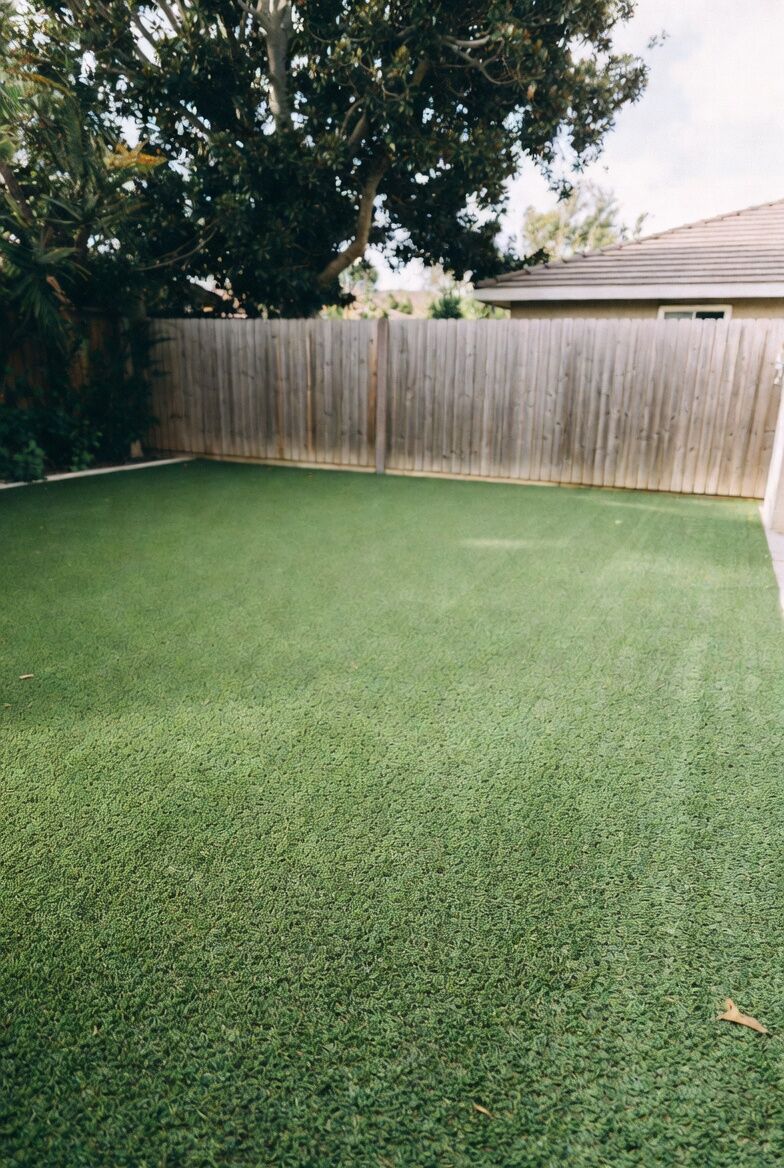
Planning Your Suwanee Artificial Turf Project
For your Suwanee project, sketch the intended working area and note existing features like patios or walkways. Measure each dimension and photograph the space from multiple angles to capture context. Consider how people move through the area and where furniture or play elements may sit. Identify any slopes, steps, or transitions between surfaces. Think about how the finished look fits with adjacent hardscapes and boundaries. This helps the team understand your expectations before offering tailored suggestions.
Your Suwanee project brief
Begin by clarifying how you plan to use the space—relaxation, play, pet area, or entertainment. Note any nearby structures that affect access or sightlines, and observe how light falls at different times. Pinpoint locations of existing utilities, gates, or fixtures that might interfere. Compare material options like pile height, infill types, and backing styles to match function and feel. Ask how each choice influences durability, drainage, and appearance over time. Gather samples or mock-ups if possible for a clearer sense of scale and texture.
A practical check before design
Confirm the finished surface aligns with how the space will be used, from traffic patterns to furniture placement. Review gate placement, entry points, and clear pathways around the area. Evaluate how retained edges or nearby structures might affect final looks and function. Compare material textures and colors under natural light to ensure cohesion. Discuss how the space connects to adjacent surfaces, including transitions and height differences. Ask how proposed options hold up to expected wear and how cleaning or spills might be handled over time.
Residential Turf Planning for Suwanee
For your Suwanee project, sketch the intended working area and trace the primary footpaths across it—notice where steps, doors, or gates sit relative to the space. Take clear photos of existing surfaces near the project zone, especially where new turf will meet older hardscapes like patios, walkways, or retaining edges; pay attention to height differences and transitions. Ask yourself how people move through the space daily: do pets or children favor certain routes? Where do hands rest while entering or exiting? Consider gate swing radius and clearance near doors or railings, and whether retained surfaces like stairs or low walls align with the proposed turf edges. Compare material thicknesses where old and new meet—will a flush transition be possible, or will a gentle ramp or trim piece be needed? Think about visual continuity: does the new layout echo the old in proportions or direction? Prepare questions for the team about how transitions will hold up over time and how the layout will support daily activity flow without creating tripping points or awkward gaps.
A lawn without mowing still needs care
Artificial turf changes the maintenance routine; it does not eliminate every task. Leaves and other debris need removal, fibers may need brushing, and heavily used areas deserve periodic inspection. Discuss pets and movable furniture before selecting the product. LawnLogic publishes a typical artificial-turf installed range of $8–$17 per square foot on its cost page. Treat that as an initial planning range, not a measured quote or a price for unrelated outdoor construction.
Think about a hot afternoon
Georgia heat is already discussed throughout the site's turf guidance. Consider when you use the outdoor area and where shade is available. Manufactured surfaces are not a promise of cool barefoot conditions in direct sun. Discuss product choice, shade and everyday supervision where children or animals use the space. Visiting the proposed area at different times can give the design conversation better information than a single morning photograph.
Choose the lawn you will actually use
Residential artificial turf replaces a growing lawn with a manufactured surface supported by a prepared base. The decision is about use as much as appearance: a front lawn, family backyard and narrow side passage do not experience the same traffic. Start by identifying the area that needs to stay open and the routes that repeatedly wear down. Compare samples in the setting where they will be used, and discuss the feel, pile and care needs rather than selecting only the greenest color.
Draw the boundaries carefully
Show where the proposed work stops, not just where it begins. Existing fences, beds, walls and neighboring surfaces can influence the layout. Confirm property boundaries and any relevant approvals through the appropriate sources before construction decisions are finalized. A rough sketch is a starting point, not a survey. The proposal should make the intended limits understandable so retained features and adjacent areas do not become ambiguous.
The important work is underneath
The residential service guide describes base preparation, separation over clay, seam quality and secure edging as important parts of an installation. Those details should be visible in the proposal, not hidden behind a product photograph. Water still needs somewhere to go after it passes through turf. Ask how the prepared area will meet paving, planting beds and steps so that the edge works as a transition rather than becoming an obstacle or a place that collects debris.
Related decisions in Suwanee
Use these guides to explore the interfaces around the main project. Related work is not automatically included in a quote.
Clear answers before you start
Questions worth asking
How is residential turf different from a decorative mat?
The installed system includes the prepared ground, base, edges, seams and infill where specified. Ask for those elements in the scope rather than comparing only the visible grass. The property assessment determines what preparation is appropriate.
How do you expect people and pets to move across and interact with the area daily?
Describe typical usage patterns, such as where children run, where pets rest, or where furniture is arranged. Mention any recurring activities like grilling, lounging, or outdoor games. Note obstacles like doors, steps, or fixed features that affect access. Think about visibility from inside the home and how sunlight shifts throughout the day. This helps tailor layout and material choices for both practicality and comfort. Clear expectations lead to smoother coordination and fewer adjustments later.
What should the residential turf proposal explain?
Ask for the working area, preparation, selected materials and the transitions to existing features. For this service, pay particular attention to the daily route across the lawn. Confirm exclusions and any related work before comparing a final price.
How does Suwanee's location affect the design?
Suwanee is in Gwinnett County. Approximately 31.6 miles east of Kennesaw in a straight line. Those geographic facts do not describe the ground at your address. Site access, water movement and intended use still need assessment before a design is chosen.
Let’s make a practical plan
Tell us what you want your space to do.
Bring your questions, a few photographs and a rough outline. Start with an estimate, or contact Lawn Logic Turf to discuss the next step.
Prefer to talk? (706) 701-8873
Service basis: Residential Turf guide. Coordinates: U.S. Census 2020 Gazetteer. Distances use city internal points, not road routes. Turf product reference: SGW; see LawnLogic’s published product information. The 15-Year Platinum Promise is a turf warranty; confirm applicable terms for your product and scope, not unrelated construction.