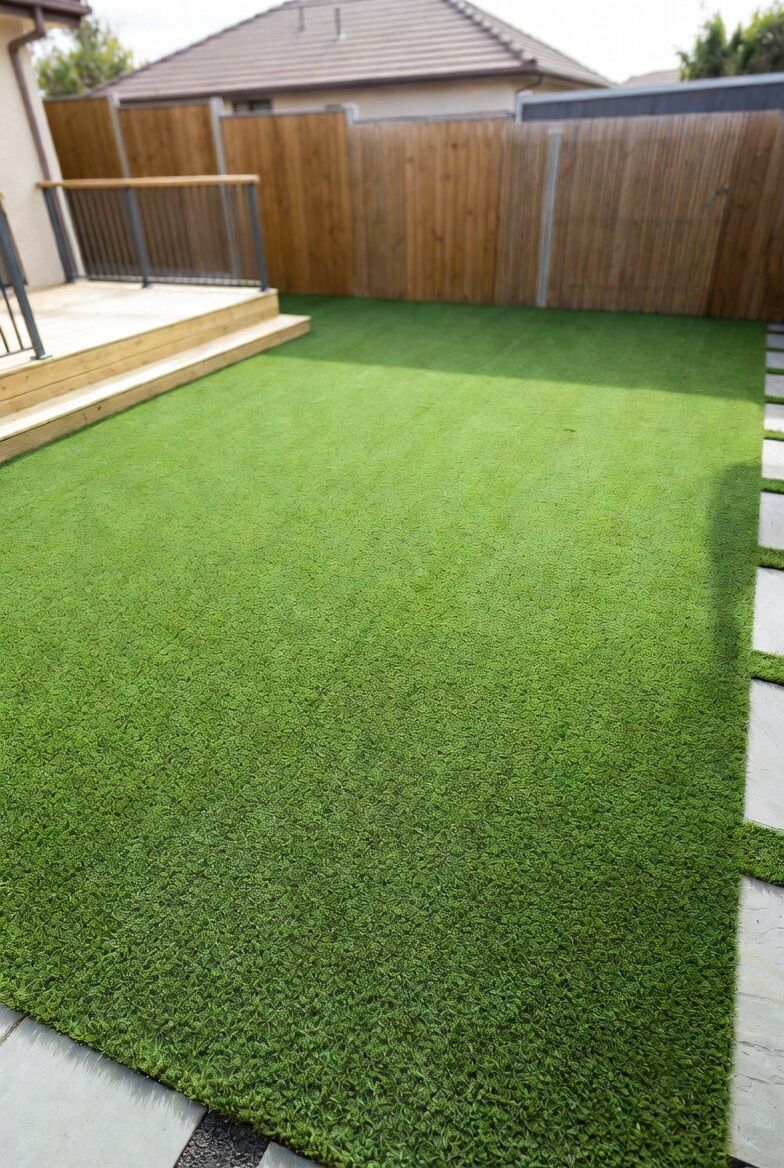
Work from the gate inward
A finished yard is only one part of a construction plan. A Woodstock project brief should also explain how materials reach the work area and what needs protection along the way. Side gates, steps and existing paths can affect the sequence of an installation. Looking at access early makes the discussion more practical than choosing a finished look and discovering later that the route to build it has never been considered.
Your Woodstock project brief
Walk from the street to the farthest corner of the proposed work. Record narrow turns, overhead obstructions, changes in level and places where equipment cannot pass. Do not guess which machinery will fit; give the team measurements and photographs. Also identify a route your household must keep using. Access planning belongs beside the design, particularly when more than one outdoor improvement is being considered.
A practical check before design
Ask which parts of the approach route are temporary work access and which are part of the finished project. A proposal can be clearer when it shows both. Include any surfaces that need protection and where materials might be handled, subject to the team's assessment. A short access conversation can reveal a sequencing issue without making unsupported assumptions about equipment, crew size or installation duration.
Be specific about the shade you want
A pergola with open slats creates a different experience from a solid or retractable cover. LawnLogic's shade-structure page makes that distinction and discusses several material choices. Decide whether you want filtered light, a stronger sense of an outdoor room or a more covered seating area. Observe the space at the time you actually use it, rather than assuming a structure that looks shaded in one photograph will meet every afternoon need.
Explain the household schedule
A practical installation conversation includes the route you must keep using and the times access matters. Mention pets, deliveries and any shared paths before work is planned. Do not assume a general installation duration applies to your project; scope and conditions influence scheduling. Ask how the work area will be separated from normal activity and what needs to happen before it can be used again.
Place the supports on the plan
Posts and structural connections take space and influence circulation. Show furniture, doors, steps and existing paving while the design is still flexible. The support arrangement needs to work with the site and any adjoining surfaces, not be added as an afterthought. Discuss permit and structural requirements for the actual location and design; this page does not substitute a general rule for local review. If a patio is also planned, coordinate the support decisions before its finished surface is installed.
Draw the boundaries carefully
Show where the proposed work stops, not just where it begins. Existing fences, beds, walls and neighboring surfaces can influence the layout. Confirm property boundaries and any relevant approvals through the appropriate sources before construction decisions are finalized. A rough sketch is a starting point, not a survey. The proposal should make the intended limits understandable so retained features and adjacent areas do not become ambiguous.
Choose a material with its care in mind
The existing service page discusses wood, vinyl, aluminum and fiberglass among the available approaches. Compare appearance, upkeep and the intended structure rather than selecting from a color alone. Ask how the chosen finish is cleaned and maintained. Plant growth, lighting and other additions should be part of the discussion if desired, but should not be presumed included. The written scope should identify the structure and covering approach clearly so the expected shade is not left to interpretation.
Related decisions in Woodstock
Use these guides to explore the interfaces around the main project. Related work is not automatically included in a quote.
Clear answers before you start
Questions worth asking
Does every pergola provide full rain cover?
No. An open-slatted pergola is different from a solid covered structure. Explain the light and weather protection you want, then confirm the proposed roof or covering type in the design rather than relying on the word pergola alone.
Why discuss access before a Woodstock project is priced?
The route to the work area influences preparation and material handling. Gate width, stairs and tight turns are useful details for the assessment. Supplying them early helps the proposal reflect the property rather than an idealized open work site.
What should the pergolas proposal explain?
Ask for the working area, preparation, selected materials and the transitions to existing features. For this service, pay particular attention to shade expectations and support locations. Confirm exclusions and any related work before comparing a final price.
How does Woodstock's location affect the design?
Woodstock is in Cherokee County. Approximately 7.9 miles northeast of Kennesaw in a straight line. Those geographic facts do not describe the ground at your address. Site access, water movement and intended use still need assessment before a design is chosen.
Let’s make a practical plan
Tell us what you want your space to do.
Bring your questions, a few photographs and a rough outline. Start with an estimate, or contact Lawn Logic Turf to discuss the next step.
Prefer to talk? (706) 701-8873
Service basis: Pergolas guide. Local reference: Woodstock site guide. Coordinates: U.S. Census 2020 Gazetteer. Distances use city internal points, not road routes. Turf product reference: SGW; see LawnLogic’s published product information. The 15-Year Platinum Promise is a turf warranty; confirm applicable terms for your product and scope, not unrelated construction.