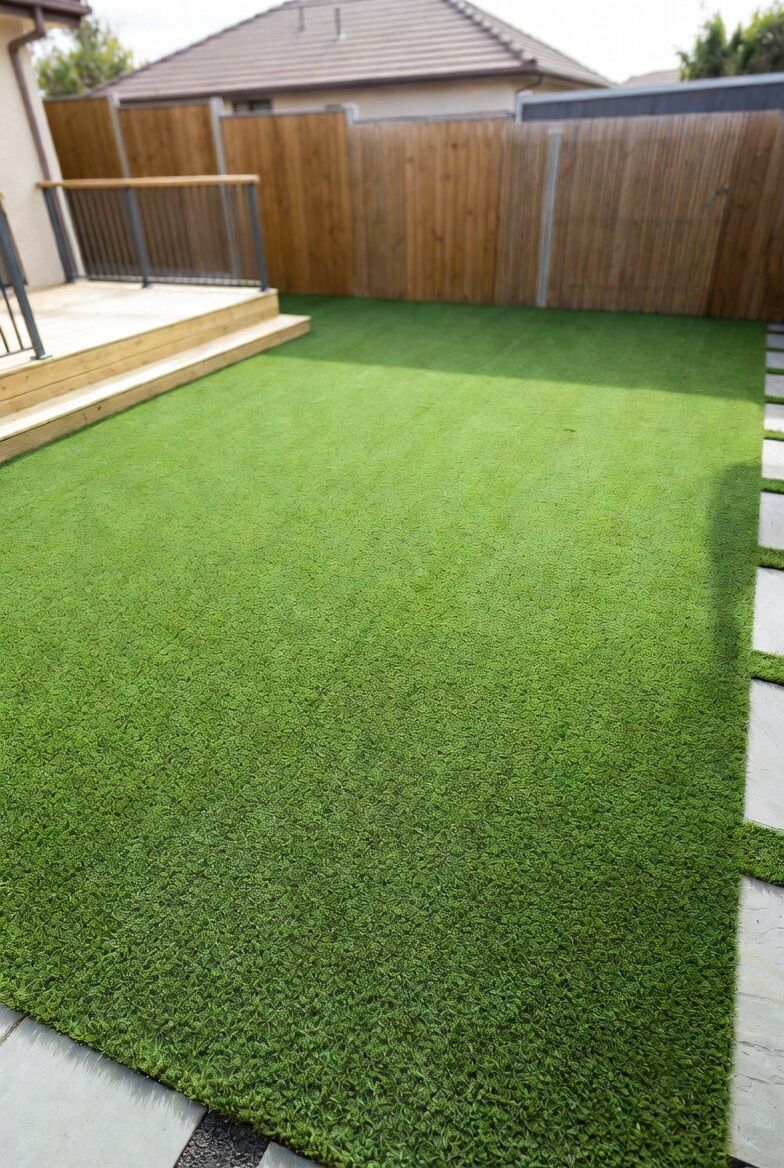
Make maintenance part of the design
The best finish for an Alpharetta outdoor project depends partly on what happens after installation. Think about leaf removal, rinsing, brushing, sweeping and access to equipment before comparing colors or textures. Lower maintenance is not the same as no care. A design that makes routine cleaning straightforward can be more useful than a complicated arrangement of small surfaces and inaccessible edges.
Your Alpharetta project brief
Write down the outdoor tasks you want to reduce and the ones you are willing to continue. Show the team where water and storage are available. If you expect to move furniture regularly, include that in the discussion. Ask for care guidance for each proposed material, not a single promise that the whole yard will look after itself. The maintenance plan should match how you intend to use the space.
A practical check before design
Ask for care advice at the same time as material samples. Consider whether furniture can move far enough to reach the perimeter and how leaves will be removed from corners. Keep a realistic list of tasks rather than aiming for a maintenance-free claim. The proposal can then be evaluated against both the finished appearance and the amount of attention you want to give it afterward.
Be specific about the shade you want
A pergola with open slats creates a different experience from a solid or retractable cover. LawnLogic's shade-structure page makes that distinction and discusses several material choices. Decide whether you want filtered light, a stronger sense of an outdoor room or a more covered seating area. Observe the space at the time you actually use it, rather than assuming a structure that looks shaded in one photograph will meet every afternoon need.
Make room for routine care
Consider how you will remove leaves, reach edges and clean the finished area. A narrow strip behind furniture may look attractive in a drawing but be awkward to maintain. Discuss the care instructions for the selected product and identify any tools or access needed. Low-maintenance materials still benefit from attention, and a practical layout can make that attention easier to provide throughout the year.
Place the supports on the plan
Posts and structural connections take space and influence circulation. Show furniture, doors, steps and existing paving while the design is still flexible. The support arrangement needs to work with the site and any adjoining surfaces, not be added as an afterthought. Discuss permit and structural requirements for the actual location and design; this page does not substitute a general rule for local review. If a patio is also planned, coordinate the support decisions before its finished surface is installed.
Protect future options
Tell the team about later plans even if the first quote covers only one improvement. A future shade structure, cooking area or new path may affect preparation today. Ask which decisions are permanent and which can wait. Phasing works best with a defined endpoint for each stage, not an unfinished edge that is assumed to fit whatever comes next. Keep future ideas labeled as options rather than implied inclusions.
Choose a material with its care in mind
The existing service page discusses wood, vinyl, aluminum and fiberglass among the available approaches. Compare appearance, upkeep and the intended structure rather than selecting from a color alone. Ask how the chosen finish is cleaned and maintained. Plant growth, lighting and other additions should be part of the discussion if desired, but should not be presumed included. The written scope should identify the structure and covering approach clearly so the expected shade is not left to interpretation.
Related decisions in Alpharetta
Use these guides to explore the interfaces around the main project. Related work is not automatically included in a quote.
Clear answers before you start
Questions worth asking
Does every pergola provide full rain cover?
No. An open-slatted pergola is different from a solid covered structure. Explain the light and weather protection you want, then confirm the proposed roof or covering type in the design rather than relying on the word pergola alone.
What care questions belong in an Alpharetta consultation?
Ask how debris is removed, how edges stay accessible and which cleaning practices suit the selected material. Turf, paving and kitchen finishes have different needs. Request product-specific care information before treating a low-maintenance description as a complete plan.
What should the pergolas proposal explain?
Ask for the working area, preparation, selected materials and the transitions to existing features. For this service, pay particular attention to shade expectations and support locations. Confirm exclusions and any related work before comparing a final price.
How does Alpharetta's location affect the design?
Alpharetta is in Fulton County. Approximately 19.9 miles east of Kennesaw in a straight line. Those geographic facts do not describe the ground at your address. Site access, water movement and intended use still need assessment before a design is chosen.
Let’s make a practical plan
Tell us what you want your space to do.
Bring your questions, a few photographs and a rough outline. Start with an estimate, or contact Lawn Logic Turf to discuss the next step.
Prefer to talk? (706) 701-8873
Service basis: Pergolas guide. Local reference: Alpharetta site guide. Coordinates: U.S. Census 2020 Gazetteer. Distances use city internal points, not road routes. Turf product reference: SGW; see LawnLogic’s published product information. The 15-Year Platinum Promise is a turf warranty; confirm applicable terms for your product and scope, not unrelated construction.