Cleaning Preparation for Turf and Construction Sites
For your Avondale Estates project, sketch the intended working area. Identify zones where debris, dust, or residue may accumulate during installation. Note existing surfaces that require protection before cleaning begins. Photograph all access points and retained surfaces. Gather material specifications to match appropriate cleaning methods. Ensure safe pathways for equipment and personnel. Clarify activity layouts to avoid rework or contamination after cleaning.
Your Avondale Estates project brief
Begin by clearing the site of loose debris and large obstructions. Assess retained surfaces for compatible cleaning agents and tools. Ensure electrical and water access is available near the work zone. Block off adjacent areas to prevent cross-contamination. Verify that all retained features can withstand expected cleaning pressure. Review material compatibility charts to avoid surface damage. Document pre-cleaning conditions with clear photographs for reference and quality assurance.
A practical check before design
Mark off the cleaning zone using tape or stakes to define boundaries. Take before photos of all surfaces under treatment. Confirm water and power access points are functional and positioned safely. Review material compatibility charts and prepare test patches. Identify and protect adjacent surfaces from overspray or runoff. Verify equipment settings match surface requirements and adjust as necessary. Ensure waste collection containers are in place for debris and rinse materials.
Sport Courts Planning for Avondale Estates
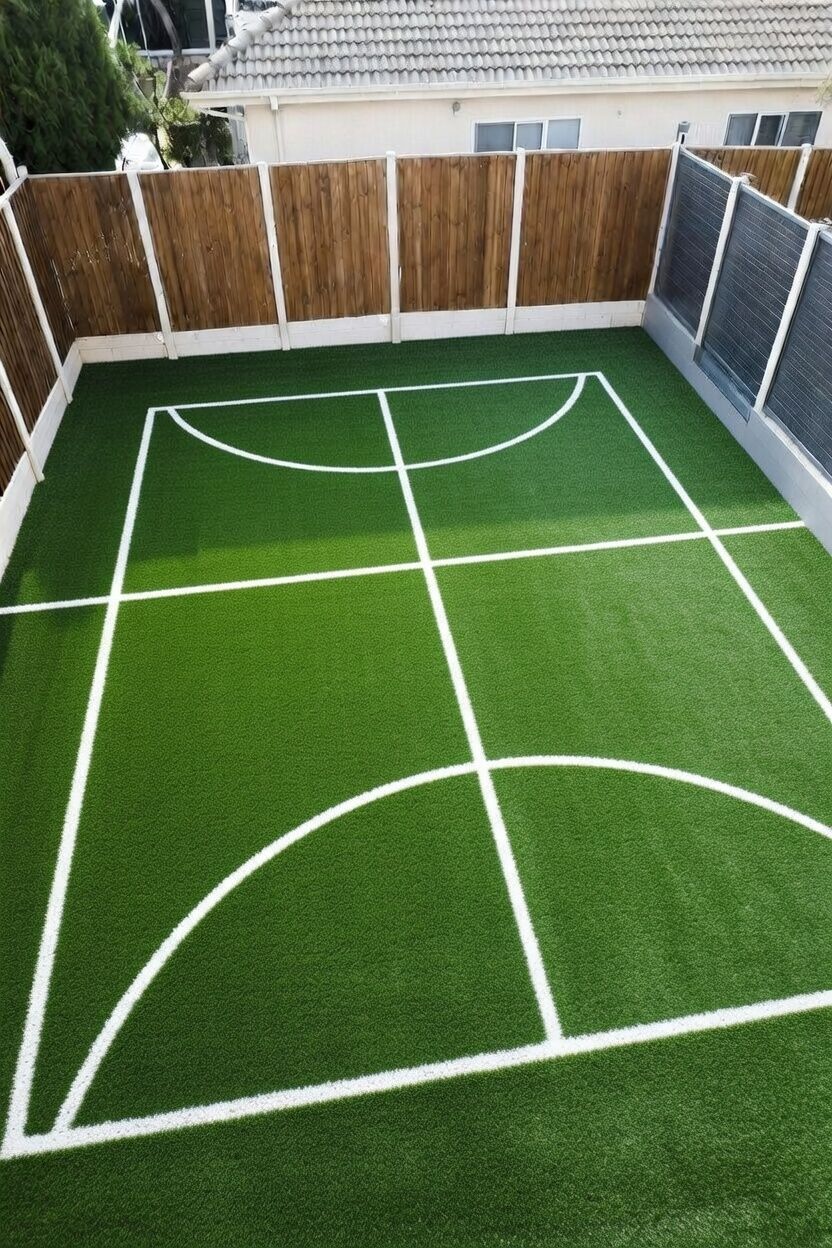
For your Avondale Estates project, sketch the intended working area and note existing features like gates, access points, and adjacent structures to assess how traffic flows around the court. Measure the full perimeter and identify any retained surfaces that might affect surface compatibility—compare materials to ensure smooth transitions and safe circulation. Take clear photographs from multiple angles to review slope, shadows, and sightlines during planning. Walk a daily route on paper: trace the path from your home entrance to the court, then loop back, marking turns, obstacles, and resting points to evaluate practicality and ease of use. Ask whether the layout supports both active play and passive movement, and if surface transitions present tripping hazards or require additional edging. Consider how light reflects off nearby surfaces during key hours and whether storage or equipment placement interferes with gameplay. Reflect on how users might approach the court in different seasons and whether access remains unobstructed. Question whether all intended activities fit comfortably within the marked space without encroaching on circulation zones.
Keep space around the action
The playable rectangle is only part of the layout. Consider entry, equipment storage, spectators and the route back to the house. Fixed obstacles and nearby activity zones need to be visible in the plan. Do not choose a court size from a photograph or assume lines painted on a surface make it suitable for organized play. Discuss the intended use, required clearances and any product-specific requirements before committing the whole outdoor area to a single activity.
Think about a hot afternoon
Georgia heat is already discussed throughout the site's turf guidance. Consider when you use the outdoor area and where shade is available. Manufactured surfaces are not a promise of cool barefoot conditions in direct sun. Discuss product choice, shade and everyday supervision where children or animals use the space. Visiting the proposed area at different times can give the design conversation better information than a single morning photograph.
Preparation influences consistency
A suitable foundation and drainage approach support a more consistent surface. The athletic guide distinguishes performance use from a decorative lawn; compare the complete system, not only the color of the finish. Ask how edges, transitions and any equipment will be addressed. Regular debris removal and condition checks remain part of care. A proposal should identify what is included in the playing area and what is a separate decision, such as lighting, enclosures or additional equipment.
Use samples as a decision tool
Look at proposed materials beside the surfaces you intend to keep. Color, texture and transitions can read differently outside than on a screen. Samples are useful for narrowing preferences, but they do not demonstrate the base preparation or drainage beneath a finished installation. Ask both questions: how will this look in the setting, and what construction is needed for it to function as intended?
Name the activity before the surface
Sport courts and athletic turf cover different uses. A practice lane, agility area and ball court do not automatically need the same finish. Begin with the sport, the age and number of users, and the type of movement expected. LawnLogic's athletic service page discusses footwork, ball behavior and concentrated wear. Explain the actual activity rather than requesting a generic sports surface, and ask which construction approach fits that activity and the available footprint.
Related decisions in Avondale Estates
Use these guides to explore the interfaces around the main project. Related work is not automatically included in a quote.
Clear answers before you start
Questions worth asking
Is athletic turf the right surface for every court?
No single surface should be assumed suitable for every activity. Describe the sport and how the space will be used. Ask the team to explain the proposed surface, preparation and clearances, and identify any equipment or specialist requirements separately.
How do you confirm the cleaning method suits the underlying surfaces?
Review manufacturer guidelines for each retained surface type before selecting cleaning tools or agents. Conduct a small test area to observe reactions under expected pressure and exposure time. Compare material specifications for porosity, finish, and chemical resistance. Observe existing wear patterns that may affect cleaning outcomes. Confirm access to rinse water and drainage paths. Photograph test results and adjust procedures as needed. Confirm that all selected methods align with the project’s tolerance for residue or rework.
What should the sport courts proposal explain?
Ask for the working area, preparation, selected materials and the transitions to existing features. For this service, pay particular attention to the intended game and safe circulation around it. Confirm exclusions and any related work before comparing a final price.
How does Avondale Estates's location affect the design?
Avondale Estates is in DeKalb County. Approximately 27.0 miles southeast of Kennesaw in a straight line. Those geographic facts do not describe the ground at your address. Site access, water movement and intended use still need assessment before a design is chosen.
Let’s make a practical plan
Tell us what you want your space to do.
Bring your questions, a few photographs and a rough outline. Start with an estimate, or contact Lawn Logic Turf to discuss the next step.
Prefer to talk? (706) 701-8873
Service basis: Sport Courts guide. Coordinates: U.S. Census 2020 Gazetteer. Distances use city internal points, not road routes. Turf product reference: SGW; see LawnLogic’s published product information. The 15-Year Platinum Promise is a turf warranty; confirm applicable terms for your product and scope, not unrelated construction.