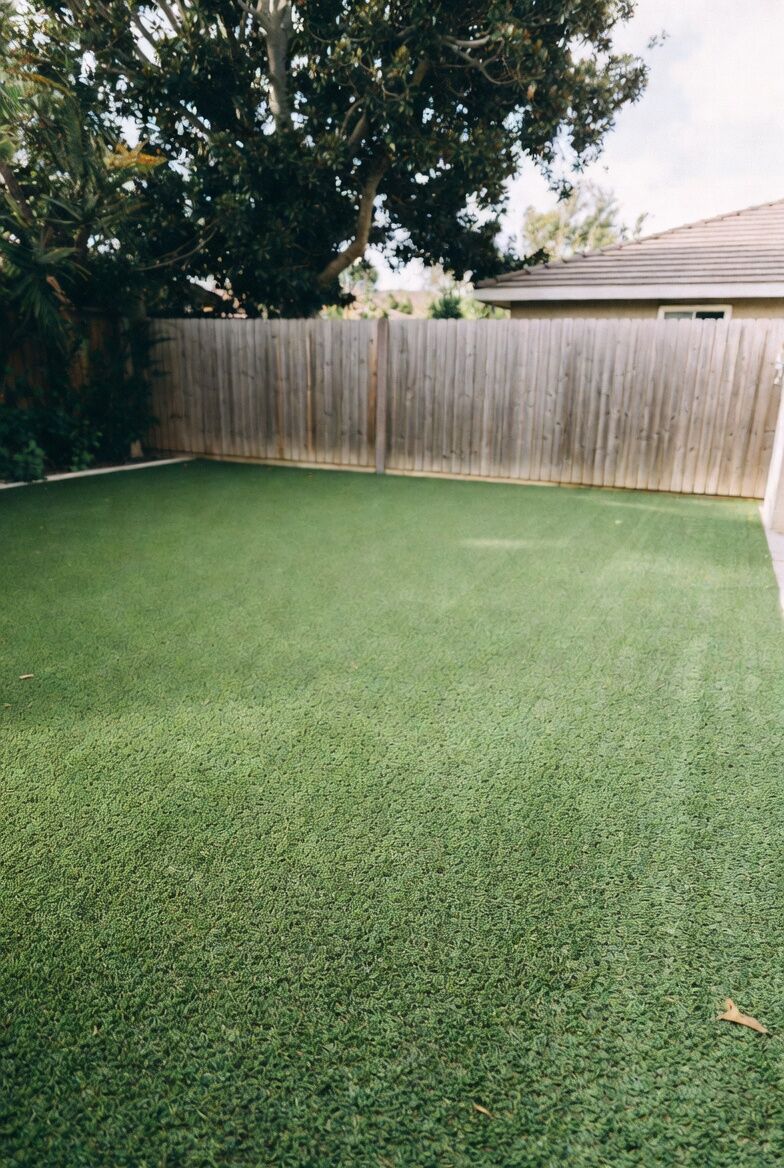
Preserve Existing Surfaces During Turf Installation
For your Candler-McAfee project, sketch the intended working area and identify all existing structures, walkways, and hardscapes to be retained. Mark boundaries clearly and note any features that must remain untouched during construction. Discuss access points with the installer to avoid unintended damage. Photograph retained features before work begins. Confirm location of utility lines and ensure markings are visible. This preparation supports a smooth installation while safeguarding what stays in place.
Your Candler-McAfee project brief
Review site plans carefully to locate permanent fixtures such as patios, retaining walls, or fencing that must remain. Confirm dimensions and elevations where turf meets existing surfaces. Take dated, high-resolution photos of these areas for records. Clarify how edges will be finished near non-turf elements. Verify gate placement aligns with new layout and doesn’t interfere with retained features. Ensure the installer understands which zones require extra care near boundaries. This helps prevent accidental removal or displacement during turf delivery and installation.
A practical check before design
Mark retained features with temporary flags or paint before installation begins, photograph all protected zones from multiple angles, install edge restraints or padding along contact lines to absorb shifting, coordinate with crew to avoid heavy equipment near sensitive surfaces, verify gate clearances and swing paths do not conflict with turf edges, and conduct a walkthrough with the installer to confirm no unintended contact will occur during preparation or laying processes.
Drainage Systems Planning for Candler-McAfee Projects
For your Candler-McAfee project, sketch the intended working area and note how water currently moves across the surface—where it pools, where it flows toward, and what paths it naturally follows. Identify all retained surfaces such as existing patios, walkways, or retaining walls and consider how new construction might interact with them without redirecting water into unwanted zones. Take photographs from multiple angles during different flow conditions if possible, especially after rain, to visualize real-world behavior. Clarify exclusions by asking whether the proposal will address adjustments to adjacent grading, downspout terminations, or connections to municipal systems. Think about access points for future inspection or cleaning and whether gates or thresholds might interfere with water movement. Compare material choices not only for appearance but also for permeability and how they influence runoff direction. Consider how activity layouts—like play zones or seating areas—may alter natural drainage patterns. Ask the team how they ensure new installations support, rather than disrupt, the existing water flow strategy.
Separate symptom relief from surface replacement
A wet lawn, settling paving and persistent pooling may call for different investigations. Replacing the visible finish without understanding the water can leave the underlying concern unresolved. Bring the team a record of conditions rather than committing to a particular drain type first. Ask what maintenance access the system needs and how it can be checked later. The scope should also identify how disturbed surfaces will be restored, especially when drainage work is coordinated with turf or hardscaping.
Think about a hot afternoon
Georgia heat is already discussed throughout the site's turf guidance. Consider when you use the outdoor area and where shade is available. Manufactured surfaces are not a promise of cool barefoot conditions in direct sun. Discuss product choice, shade and everyday supervision where children or animals use the space. Visiting the proposed area at different times can give the design conversation better information than a single morning photograph.
Describe the water before buying a drain
A useful drainage assessment starts with observations: where water appears, when it collects and how it moves through the space. Photographs after rain can help explain a problem that is hard to see on a dry day. LawnLogic's drainage page lists French drains, surface drains, sump pumps, swales and grading solutions. That list is a set of possible approaches, not a diagnosis. The right response depends on the property and a workable discharge route.
Plan the handover conversation
Before accepting a finished project, ask for a walk-through of the important transitions and care requirements. Discuss what to watch for, how to clean the selected materials and whom to contact with a question. Warranty coverage should be reviewed for the actual product and scope rather than assumed from a general headline. Keeping the proposal and care guidance together gives you a useful reference after the construction work is complete.
Follow the whole route
Capturing water is only part of drainage design. Ask where it will travel afterward and how the proposed route relates to buildings, paving, planting and boundaries. Do not assume that moving water to the far side of a yard is an acceptable endpoint. Existing utilities and future outdoor work should be discussed before excavation. A clear plan explains both collection and discharge, along with any grading or surface restoration needed to make the installation function as intended.
Related decisions in Candler-McAfee
Use these guides to explore the interfaces around the main project. Related work is not automatically included in a quote.
Clear answers before you start
Questions worth asking
Will a particular drain solve every wet-yard problem?
No. The source, ground levels and a suitable outlet need assessment. Describe the symptom and provide photographs when possible. The team can then discuss whether grading, a collection system or another approach fits the site.
How should adjacent surfaces be shielded during artificial turf installation?
Begin by physically isolating retained features using temporary barriers like edge restraints or protective boards placed flush against the installation zone. Secure these barriers to prevent movement during prep work. Document the interface points with photos before any substrate work begins. Confirm with the installer how edging will be handled near each protected surface to avoid vibration damage or material overlap. Ensure access routes avoid pressure points on existing installations. Final cleanup should include a joint inspection of all retained elements to verify integrity.
What should the drainage systems proposal explain?
Ask for the working area, preparation, selected materials and the transitions to existing features. For this service, pay particular attention to where water begins and where it can go. Confirm exclusions and any related work before comparing a final price.
How does Candler-McAfee's location affect the design?
Candler-McAfee is in DeKalb County. Approximately 28.8 miles southeast of Kennesaw in a straight line. Those geographic facts do not describe the ground at your address. Site access, water movement and intended use still need assessment before a design is chosen.
Let’s make a practical plan
Tell us what you want your space to do.
Bring your questions, a few photographs and a rough outline. Start with an estimate, or contact Lawn Logic Turf to discuss the next step.
Prefer to talk? (706) 701-8873
Service basis: Drainage Systems guide. Coordinates: U.S. Census 2020 Gazetteer. Distances use city internal points, not road routes. Turf product reference: SGW; see LawnLogic’s published product information. The 15-Year Platinum Promise is a turf warranty; confirm applicable terms for your product and scope, not unrelated construction.