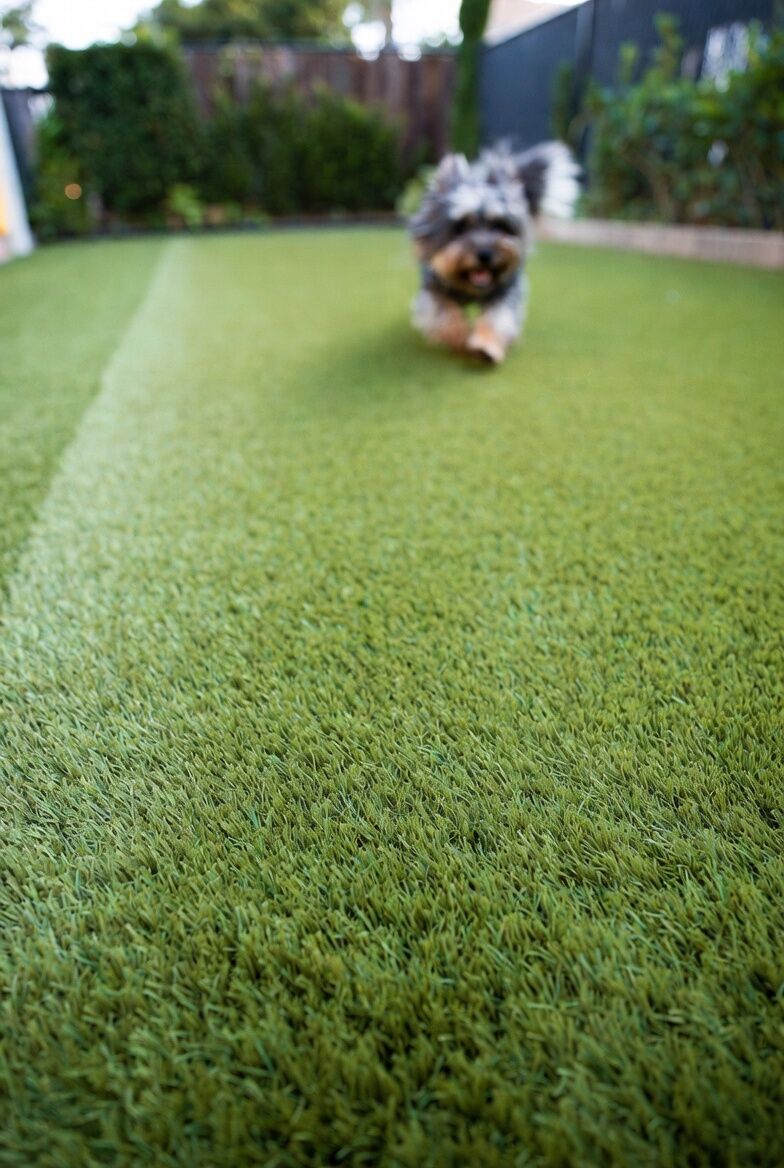
Build the right first phase
A Cartersville outdoor plan can be developed in phases without losing sight of the finished layout. The important step is to identify work that would be difficult to undo: buried drainage, changes in level, structural support and permanent surface edges. Decide those relationships before filling every available area with a finished material. A thoughtful first phase should make the next decision simpler rather than forcing completed work to be removed.
Your Cartersville project brief
Separate your wish list into essentials, useful additions and ideas for later. Share the whole list during consultation even if the current budget covers only one item. Ask what must happen first and which elements can genuinely wait. Keep allowances and exclusions visible in the proposal so a smaller initial scope does not quietly become an incomplete version of a larger job.
A practical check before design
Ask for a sequence drawing alongside the finished concept when considering phased work. Identify the edge of the first phase, the access needed afterward and anything that should be prepared before it is covered. Keep later ideas labeled so they are not mistaken for included work. This turns a broad wish list into decisions that can be compared without committing to every possible improvement immediately.
Edges deserve a separate conversation
Fence lines, gates and the transition to a patio receive concentrated use. Review how the edge is secured and how it will be inspected after installation. Show any digging behavior or repeatedly worn routes rather than assuming all dogs use a yard alike. Shade, surface heat and access to drinking water remain everyday considerations in Georgia weather. A pet-turf design should support supervision and care, not be presented as a guarantee that the surface is comfortable in every condition.
Draw the boundaries carefully
Show where the proposed work stops, not just where it begins. Existing fences, beds, walls and neighboring surfaces can influence the layout. Confirm property boundaries and any relevant approvals through the appropriate sources before construction decisions are finalized. A rough sketch is a starting point, not a survey. The proposal should make the intended limits understandable so retained features and adjacent areas do not become ambiguous.
Design around the animal's routine
A pet run is not simply a smaller decorative lawn. Dogs often repeat the same route, turn sharply near a gate and use particular corners. Tell the team how the space is used and how often it is cleaned. The pet-turf service page describes durable backing, permeable construction and antimicrobial infill options. Product choice should follow those practical needs, with enough room for people to collect waste and reach the whole surface without awkward detours.
Plan the handover conversation
Before accepting a finished project, ask for a walk-through of the important transitions and care requirements. Discuss what to watch for, how to clean the selected materials and whom to contact with a question. Warranty coverage should be reviewed for the actual product and scope rather than assumed from a general headline. Keeping the proposal and care guidance together gives you a useful reference after the construction work is complete.
Odor control begins with the system
Liquid needs to pass through the surface and continue through an appropriate base. A new grass face over an unresolved wet area is not a complete drainage plan. Ask how the base, backing and infill work together and how the low edges will be handled. A cleaning route and access to rinsing water matter too. Antimicrobial components do not replace removal of solid waste or regular cleaning; keep the expected care routine part of the selection discussion.
Related decisions in Cartersville
Use these guides to explore the interfaces around the main project. Related work is not automatically included in a quote.
Clear answers before you start
Questions worth asking
Does pet turf mean I can stop cleaning the yard?
No. Solid waste still needs prompt removal, and rinsing and product-appropriate cleaning remain important. Discuss the backing, infill and drainage system alongside the cleaning routine so maintenance expectations are clear before installation.
Can a Cartersville project start with only one service?
Yes, the consultation can focus on one improvement while considering later plans. Ask how the first installation affects future access, levels and drainage. A clear phase boundary is more useful than assuming separate projects will automatically fit together.
What should the pet turf proposal explain?
Ask for the working area, preparation, selected materials and the transitions to existing features. For this service, pay particular attention to cleanup and concentrated pet traffic. Confirm exclusions and any related work before comparing a final price.
How does Cartersville's location affect the design?
Cartersville is in Bartow County. Approximately 14.2 miles northwest of Kennesaw in a straight line. Those geographic facts do not describe the ground at your address. Site access, water movement and intended use still need assessment before a design is chosen.
Let’s make a practical plan
Tell us what you want your space to do.
Bring your questions, a few photographs and a rough outline. Start with an estimate, or contact Lawn Logic Turf to discuss the next step.
Prefer to talk? (706) 701-8873
Service basis: Pet Turf guide. Local reference: Cartersville site guide. Coordinates: U.S. Census 2020 Gazetteer. Distances use city internal points, not road routes. Turf product reference: SGW; see LawnLogic’s published product information. The 15-Year Platinum Promise is a turf warranty; confirm applicable terms for your product and scope, not unrelated construction.