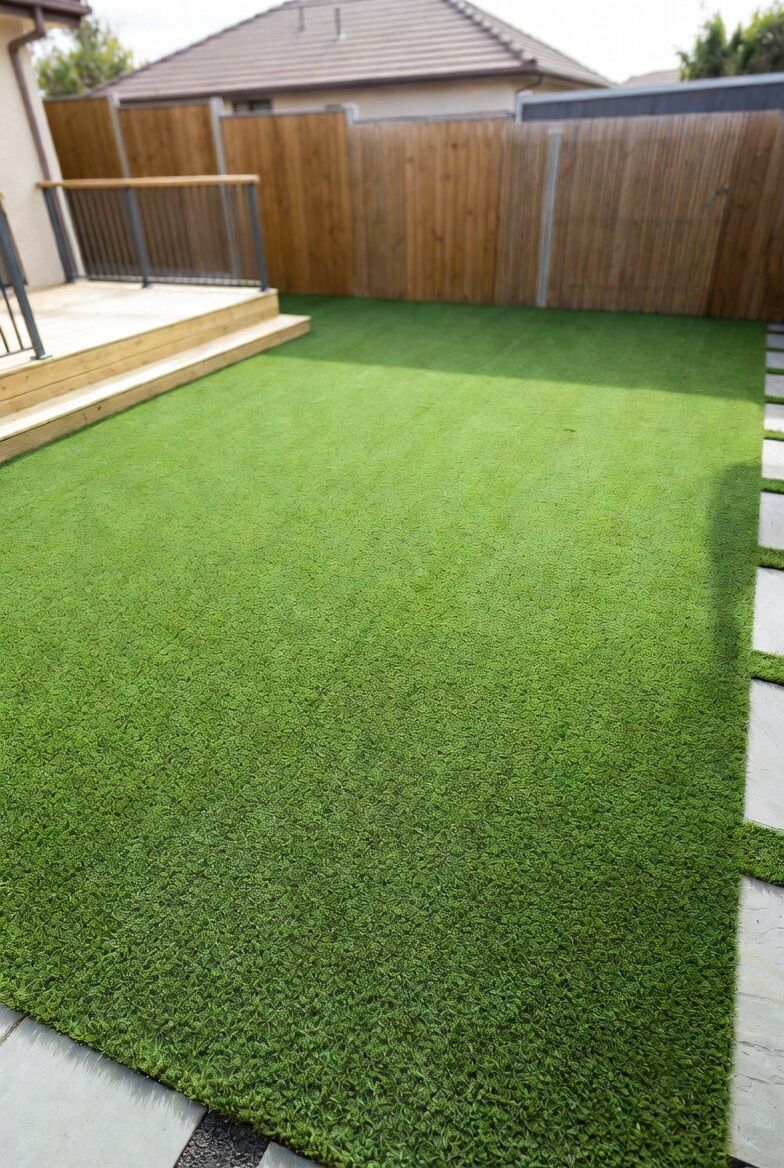
Strategic Photo Documentation for Cumming Projects
For your Cumming project, sketch the intended working area and take photographs from multiple vantage points to capture context. Include wide shots of the entire space, mid-range views highlighting key features, and close-ups of existing surfaces or obstructions. Ensure lighting is consistent and avoid glare or shadows that obscure details. Overhead images, when possible, help show site layout. Label each photograph clearly with location and orientation. This visual record supports accurate planning and communication with all involved parties.
Your Cumming project brief
Collecting photographs early ensures precise documentation of current conditions before any changes occur. Use a high-resolution camera or smartphone, holding it level to prevent distortion. Capture both day and dusk lighting if possible, noting time stamps. Focus on access points, retaining edges, and adjacent structures. Avoid filters or digital enhancements to preserve factual detail. Cross-reference photos with measured dimensions and site notes. These images become reference for design adjustments, material placement, and installation sequencing. Proper photo preparation reduces miscommunication and supports realistic expectations.
A practical check before design
Take wide-angle photos of the entire area from the perimeter and key sightlines, ensuring edges and boundaries are visible. Add mid-range shots focusing on access points, gates, and retained surfaces. Capture close-up images of existing materials, textures, and any irregularities. Include one photo with a measuring tape or known object for scale reference. Note the time, date, and compass direction for each image to aid in lighting analysis. Store all photographs in a single digital folder with consistent naming conventions for easy consultation review.
Artificial Turf and Outdoor Construction Planning for Cumming
For your Cumming project, sketch the intended working area and note key dimensions, including gate placements and access points for materials. Take photographs of the space from multiple angles at different times of day to capture how light and shadows fall across the surface. Consider where retained edges or existing hardscapes meet new turf or structures like pergolas—outline how these elements connect visually and functionally. Walk a daily route on paper: trace typical footpaths across the yard, marking turns, pauses, and transitions between activities to reveal high-traffic zones and potential sightlines. Ask yourself how the space will feel when viewed from inside the home versus standing in the center of the layout. Think about where people gather, where furniture might sit, and how pergola supports could integrate without disrupting flow. Prepare questions for the consultation team about material weights, edge treatments, drainage expectations, and how shade coverage might shift with seasonal sun angles.
Place the supports on the plan
Posts and structural connections take space and influence circulation. Show furniture, doors, steps and existing paving while the design is still flexible. The support arrangement needs to work with the site and any adjoining surfaces, not be added as an afterthought. Discuss permit and structural requirements for the actual location and design; this page does not substitute a general rule for local review. If a patio is also planned, coordinate the support decisions before its finished surface is installed.
Think about a hot afternoon
Georgia heat is already discussed throughout the site's turf guidance. Consider when you use the outdoor area and where shade is available. Manufactured surfaces are not a promise of cool barefoot conditions in direct sun. Discuss product choice, shade and everyday supervision where children or animals use the space. Visiting the proposed area at different times can give the design conversation better information than a single morning photograph.
Choose a material with its care in mind
The existing service page discusses wood, vinyl, aluminum and fiberglass among the available approaches. Compare appearance, upkeep and the intended structure rather than selecting from a color alone. Ask how the chosen finish is cleaned and maintained. Plant growth, lighting and other additions should be part of the discussion if desired, but should not be presumed included. The written scope should identify the structure and covering approach clearly so the expected shade is not left to interpretation.
Keep the water route visible
Georgia clay and drainage are recurring topics in LawnLogic's service guides. A new surface does not remove the need to understand the ground beneath it. Ask how water moves across the proposed area and where it leaves. Include nearby downspouts and changes in level in your photographs. A drainage recommendation should follow the site assessment rather than an assumption that all properties in a city behave alike.
Be specific about the shade you want
A pergola with open slats creates a different experience from a solid or retractable cover. LawnLogic's shade-structure page makes that distinction and discusses several material choices. Decide whether you want filtered light, a stronger sense of an outdoor room or a more covered seating area. Observe the space at the time you actually use it, rather than assuming a structure that looks shaded in one photograph will meet every afternoon need.
Related decisions in Cumming
Use these guides to explore the interfaces around the main project. Related work is not automatically included in a quote.
Clear answers before you start
Questions worth asking
Does every pergola provide full rain cover?
No. An open-slatted pergola is different from a solid covered structure. Explain the light and weather protection you want, then confirm the proposed roof or covering type in the design rather than relying on the word pergola alone.
What types of photographs should be taken before planning artificial turf and construction in Cumming?
Begin by photographing the full site from several angles to show spatial relationships and boundaries. Include close-ups of existing surfaces, drainage features, and any obstructions such as utility caps or low-hanging elements. Capture gate positions, access routes for equipment, and retained surfaces like walls or steps. Ensure photos include reference points like corners or fixed markers. Use a ruler or known object in one close-up for scale. These images guide layout decisions, material selection, and installation logistics. Organize them digitally with clear filenames for easy retrieval during consultation.
What should the pergolas proposal explain?
Ask for the working area, preparation, selected materials and the transitions to existing features. For this service, pay particular attention to shade expectations and support locations. Confirm exclusions and any related work before comparing a final price.
How does Cumming's location affect the design?
Cumming is in Forsyth County. Approximately 30.3 miles northeast of Kennesaw in a straight line. Those geographic facts do not describe the ground at your address. Site access, water movement and intended use still need assessment before a design is chosen.
Let’s make a practical plan
Tell us what you want your space to do.
Bring your questions, a few photographs and a rough outline. Start with an estimate, or contact Lawn Logic Turf to discuss the next step.
Prefer to talk? (706) 701-8873
Service basis: Pergolas guide. Coordinates: U.S. Census 2020 Gazetteer. Distances use city internal points, not road routes. Turf product reference: SGW; see LawnLogic’s published product information. The 15-Year Platinum Promise is a turf warranty; confirm applicable terms for your product and scope, not unrelated construction.