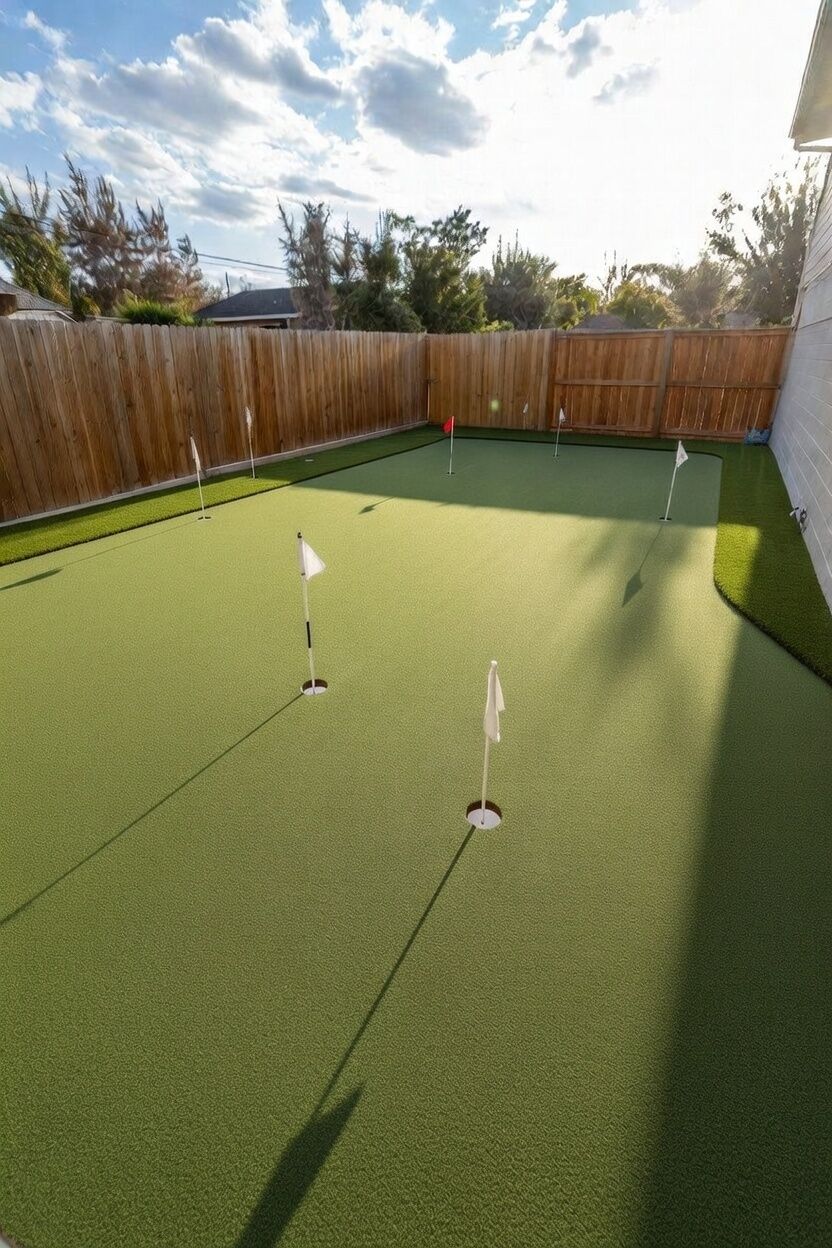
Cleaning Preparation for Artificial Turf Installations
For your Lilburn project, sketch the intended working area and note all dimensions. Identify existing surfaces that will be retained, such as concrete pads or gravel bases. Mark where gates or access points are located to ensure equipment movement is possible. Take clear photographs of the site from multiple angles before any cleaning begins. This documentation supports accurate planning and verifies surface conditions for material comparisons and layout decisions.
Your Lilburn project brief
Cleaning preparation for artificial turf installations begins with thorough site assessment and documentation. Accurate measurements and photographic records help in selecting appropriate materials and layouts. Access points and retained surfaces must be mapped to avoid conflicts during installation. Planning includes reviewing retained surfaces for stability and compatibility with turf backing. This groundwork ensures clean, efficient installation and proper adhesion or anchoring where needed.
A practical check before design
Begin by measuring the working area and sketching the layout, including all dimensions and retaining features. Take multiple photographic records of the site from varied angles to capture surface conditions. Confirm access points, including gate sizes and clear paths for equipment movement. Inspect retained surfaces for flatness and stability, ensuring they are dry and debris-free before proceeding. Document any irregularities or existing materials for reference during material selection and installation planning.
Putting Greens Planning for Lilburn
For your Lilburn project, sketch the intended working area and note existing surfaces like patios or walkways that may influence design flow. Take photographs from multiple angles to capture how light falls and how the space feels at different times. Identify where people will stand, walk, or pause—these movement paths help shape the layout around the putting green. Consider gate locations and access points that affect how equipment or materials might enter the area during installation. Measure clearances around the intended green, including buffer zones for follow-through and recovery. Think about how the green relates to adjacent surfaces: does it sit flush with pavers, transition over gravel, or nestle beside retaining walls? Ask yourself how the space will look and function once built—will there be room for a bench, a small table, or storage for clubs? Discuss with the team how surface readiness will be verified before final placement, especially where graded earth meets finished turf. Include questions about how the practice lines connect to the green and what clearance is needed behind it for consistent play.
Keep performance expectations specific
A putting product is not the same surface as a general residential lawn. Talk about the intended feel and speed using samples and the team's guidance, without assuming a backyard installation duplicates a particular golf course. Leaves and debris affect play and need removal; care advice should match the selected surface. If chipping or other practice is proposed, discuss the available space and surrounding property first. Do not assume every green layout is suitable for every golf activity.
Compare a complete scope
Two proposals are difficult to compare when one includes preparation and the other describes only the finish. Ask what is being removed, what is being retained and how the new work meets it. Identify disposal, access protection and surface restoration where relevant. A clear list of inclusions and exclusions is more useful than a headline price without dimensions. Keep optional additions separate so the essential work remains visible.
Choose the practice before the shape
A putting green should support the strokes you want to practice, rather than just fill a spare outline in the yard. Discuss whether the priority is short straight putts, changing breaks or a combination of lines. The putting-green guide describes custom contours, cup positions and fringe choices. Mark where a player stands and how others move past the green. A usable practice area needs more thought than placing a cup in the center of a patch of turf.
Protect future options
Tell the team about later plans even if the first quote covers only one improvement. A future shade structure, cooking area or new path may affect preparation today. Ask which decisions are permanent and which can wait. Phasing works best with a defined endpoint for each stage, not an unfinished edge that is assumed to fit whatever comes next. Keep future ideas labeled as options rather than implied inclusions.
Ball roll starts below the fibers
Contours must be formed in the prepared foundation; the surface follows what is beneath it. Ask how the design balances interest with playable lines and how water leaves the green. Edges should connect cleanly with the surrounding lawn, paving or planting. A long, awkward transition can interrupt both play and maintenance. Review the proposed shape from more than one position in the yard so the practice surface fits the broader outdoor layout rather than becoming an isolated feature.
Related decisions in Lilburn
Use these guides to explore the interfaces around the main project. Related work is not automatically included in a quote.
Clear answers before you start
Questions worth asking
Can a putting green share the yard with other activities?
It can be considered as part of a broader layout, but the routes around it matter. Show seating, pet access and any proposed practice position during design. The green and its fringe should have a clear relationship with neighboring surfaces.
How do you verify surface readiness before installing artificial turf in Lilburn?
Verify surface readiness by measuring the area precisely and confirming flatness with a long level or string line. Check for retained surfaces like compacted gravel or existing pavers to ensure they are clean, dry, and free of loose debris. Photograph the site from multiple angles to document conditions. Note gate locations and access routes for equipment. Compare material compatibility, especially for drainage layers or edge restraints, to support proper adhesion and stability during installation.
What should the putting greens proposal explain?
Ask for the working area, preparation, selected materials and the transitions to existing features. For this service, pay particular attention to practice lines and the space around the green. Confirm exclusions and any related work before comparing a final price.
How does Lilburn's location affect the design?
Lilburn is in Gwinnett County. Approximately 29.1 miles east of Kennesaw in a straight line. Those geographic facts do not describe the ground at your address. Site access, water movement and intended use still need assessment before a design is chosen.
Let’s make a practical plan
Tell us what you want your space to do.
Bring your questions, a few photographs and a rough outline. Start with an estimate, or contact Lawn Logic Turf to discuss the next step.
Prefer to talk? (706) 701-8873
Service basis: Putting Greens guide. Coordinates: U.S. Census 2020 Gazetteer. Distances use city internal points, not road routes. Turf product reference: SGW; see LawnLogic’s published product information. The 15-Year Platinum Promise is a turf warranty; confirm applicable terms for your product and scope, not unrelated construction.