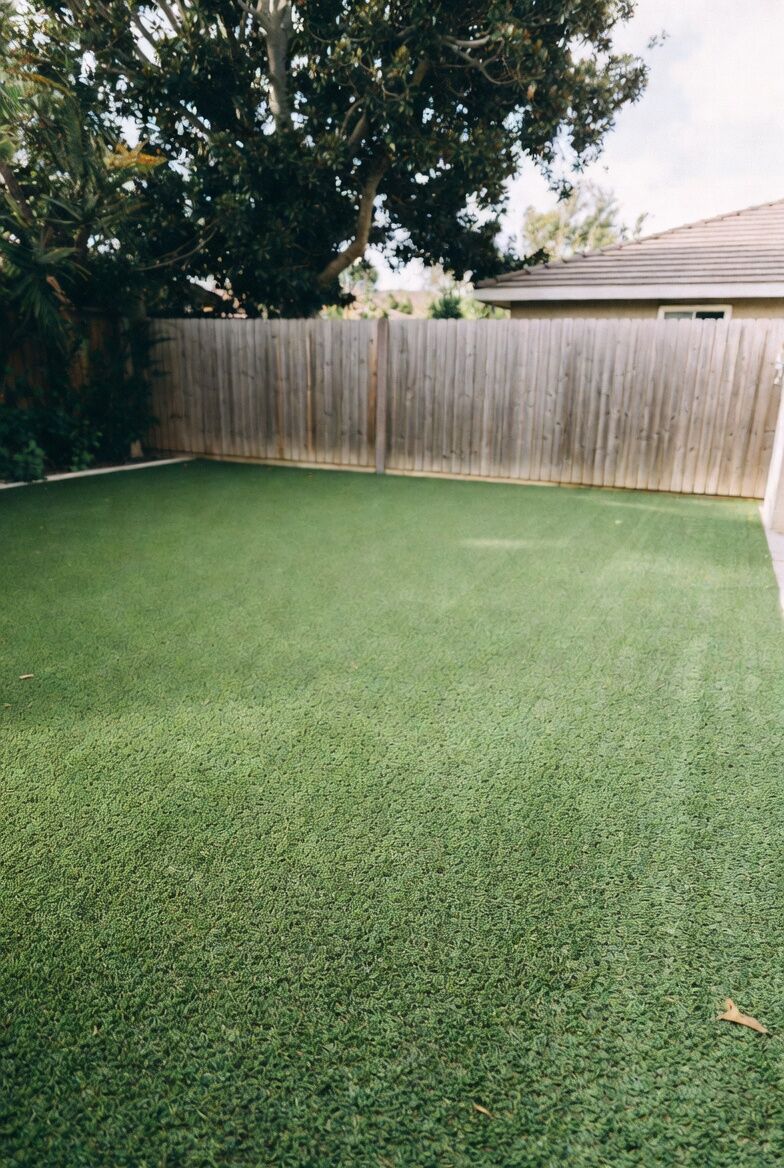
Cleaning Preparation for Artificial Turf Installations
For your Lilburn project, sketch the intended working area and note all dimensions. Identify existing surfaces that will be retained, such as concrete pads or gravel bases. Mark where gates or access points are located to ensure equipment movement is possible. Take clear photographs of the site from multiple angles before any cleaning begins. This documentation supports accurate planning and verifies surface conditions for material comparisons and layout decisions.
Your Lilburn project brief
Cleaning preparation for artificial turf installations begins with thorough site assessment and documentation. Accurate measurements and photographic records help in selecting appropriate materials and layouts. Access points and retained surfaces must be mapped to avoid conflicts during installation. Planning includes reviewing retained surfaces for stability and compatibility with turf backing. This groundwork ensures clean, efficient installation and proper adhesion or anchoring where needed.
A practical check before design
Begin by measuring the working area and sketching the layout, including all dimensions and retaining features. Take multiple photographic records of the site from varied angles to capture surface conditions. Confirm access points, including gate sizes and clear paths for equipment movement. Inspect retained surfaces for flatness and stability, ensuring they are dry and debris-free before proceeding. Document any irregularities or existing materials for reference during material selection and installation planning.
Residential Turf Planning for Lilburn Projects
For your Lilburn project, sketch the intended working area and note how the new turf will align with existing pathways, patios, or retaining walls. Take clear photographs of the site from multiple angles, especially near gates or access points, to help visualize transitions between old and new surfaces. Consider the daily route across the lawn—where foot traffic naturally flows—and mark zones that require smooth, uninterrupted movement. Compare materials for texture, pile height, and backing type to match your intended use, such as play areas versus quiet sitting spaces. Ask whether existing edging or structural elements will remain, and how the new surface interfaces with them. Think about how lighting or furniture might influence layout choices. Verify surface readiness by checking for level transitions and clearance around doors or steps. Prepare questions for the team about joint treatment, slope compatibility, and edge finishing details to ensure continuity across surfaces.
A lawn without mowing still needs care
Artificial turf changes the maintenance routine; it does not eliminate every task. Leaves and other debris need removal, fibers may need brushing, and heavily used areas deserve periodic inspection. Discuss pets and movable furniture before selecting the product. LawnLogic publishes a typical artificial-turf installed range of $8–$17 per square foot on its cost page. Treat that as an initial planning range, not a measured quote or a price for unrelated outdoor construction.
Compare a complete scope
Two proposals are difficult to compare when one includes preparation and the other describes only the finish. Ask what is being removed, what is being retained and how the new work meets it. Identify disposal, access protection and surface restoration where relevant. A clear list of inclusions and exclusions is more useful than a headline price without dimensions. Keep optional additions separate so the essential work remains visible.
Choose the lawn you will actually use
Residential artificial turf replaces a growing lawn with a manufactured surface supported by a prepared base. The decision is about use as much as appearance: a front lawn, family backyard and narrow side passage do not experience the same traffic. Start by identifying the area that needs to stay open and the routes that repeatedly wear down. Compare samples in the setting where they will be used, and discuss the feel, pile and care needs rather than selecting only the greenest color.
Keep the water route visible
Georgia clay and drainage are recurring topics in LawnLogic's service guides. A new surface does not remove the need to understand the ground beneath it. Ask how water moves across the proposed area and where it leaves. Include nearby downspouts and changes in level in your photographs. A drainage recommendation should follow the site assessment rather than an assumption that all properties in a city behave alike.
The important work is underneath
The residential service guide describes base preparation, separation over clay, seam quality and secure edging as important parts of an installation. Those details should be visible in the proposal, not hidden behind a product photograph. Water still needs somewhere to go after it passes through turf. Ask how the prepared area will meet paving, planting beds and steps so that the edge works as a transition rather than becoming an obstacle or a place that collects debris.
Related decisions in Lilburn
Use these guides to explore the interfaces around the main project. Related work is not automatically included in a quote.
Clear answers before you start
Questions worth asking
How is residential turf different from a decorative mat?
The installed system includes the prepared ground, base, edges, seams and infill where specified. Ask for those elements in the scope rather than comparing only the visible grass. The property assessment determines what preparation is appropriate.
How do you verify surface readiness before installing artificial turf in Lilburn?
Verify surface readiness by measuring the area precisely and confirming flatness with a long level or string line. Check for retained surfaces like compacted gravel or existing pavers to ensure they are clean, dry, and free of loose debris. Photograph the site from multiple angles to document conditions. Note gate locations and access routes for equipment. Compare material compatibility, especially for drainage layers or edge restraints, to support proper adhesion and stability during installation.
What should the residential turf proposal explain?
Ask for the working area, preparation, selected materials and the transitions to existing features. For this service, pay particular attention to the daily route across the lawn. Confirm exclusions and any related work before comparing a final price.
How does Lilburn's location affect the design?
Lilburn is in Gwinnett County. Approximately 29.1 miles east of Kennesaw in a straight line. Those geographic facts do not describe the ground at your address. Site access, water movement and intended use still need assessment before a design is chosen.
Let’s make a practical plan
Tell us what you want your space to do.
Bring your questions, a few photographs and a rough outline. Start with an estimate, or contact Lawn Logic Turf to discuss the next step.
Prefer to talk? (706) 701-8873
Service basis: Residential Turf guide. Coordinates: U.S. Census 2020 Gazetteer. Distances use city internal points, not road routes. Turf product reference: SGW; see LawnLogic’s published product information. The 15-Year Platinum Promise is a turf warranty; confirm applicable terms for your product and scope, not unrelated construction.