Keep what already works
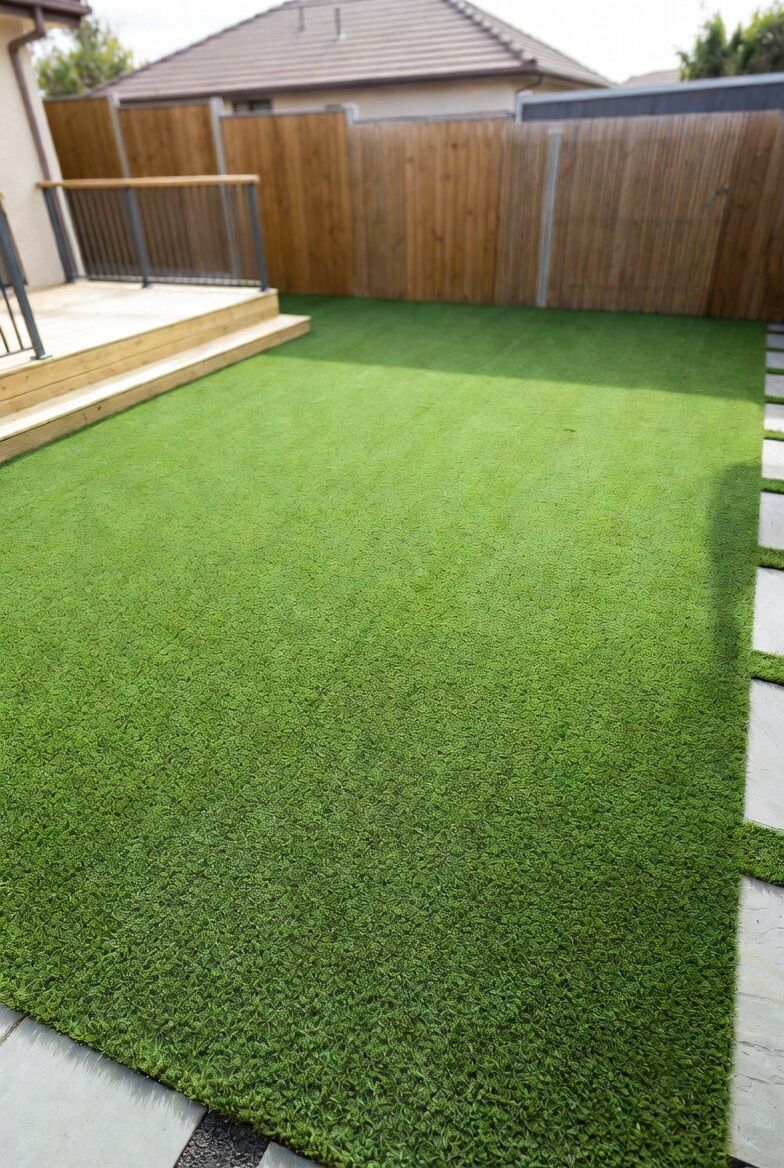
Replacing a surface should not mean losing every useful part of an established outdoor space. In a Marietta consultation, identify the planting beds, mature landscaping, steps and existing seating areas you want to keep before choosing new finishes. A successful layout can connect those elements rather than treating the property as an empty rectangle. The right question is which change makes the existing space easier to enjoy.
Bring a more useful brief
Photograph the boundaries between surfaces: lawn beside paving, a step beside a bed, and the point where a gate opens. Note which edges are awkward to maintain and which are comfortable now. Ask for a proposal that distinguishes protection of retained features from removal of unwanted material. That makes alternatives easier to compare and helps avoid paying to replace something you actually like.
Test the plan before choosing finishes
Use a simple keep, repair or replace list for the features around the work. That avoids treating an attractive existing border as demolition by default. Ask how the proposed finish will meet each retained edge, and photograph those points for reference. If two alternatives look similar, compare their effect on the elements you want to preserve rather than choosing only from a larger overall area.
Choose by purpose
11 ways to shape your outdoor space
Residential Turf
The residential service guide describes base preparation, separation over clay, seam quality and secure edging as important parts of an installation.
Explore residential turf →Pet Turf
Fence lines, gates and the transition to a patio receive concentrated use.
Explore pet turf →Putting Greens
A putting green should support the strokes you want to practice, rather than just fill a spare outline in the yard.
Explore putting greens →Commercial Turf
A lower-mowing landscape still requires an operating routine.
Explore commercial turf →Hardscaping
A patio is useful when people can sit, move chairs and walk through it comfortably.
Explore hardscaping →Retaining Walls
Pressure from trapped water is a central retaining-wall concern discussed in the existing service guide.
Explore retaining walls →Drainage Systems
A wet lawn, settling paving and persistent pooling may call for different investigations.
Explore drainage systems →Outdoor Kitchens
An outdoor kitchen can range from a focused grilling station to a more involved preparation and entertaining area.
Explore outdoor kitchens →Pergolas
Posts and structural connections take space and influence circulation.
Explore pergolas →Outdoor Living Design
Separate essentials from optional additions and identify what success looks like for daily use.
Explore outdoor living design →Think about a hot afternoon
Georgia heat is already discussed throughout the site's turf guidance. Consider when you use the outdoor area and where shade is available. Manufactured surfaces are not a promise of cool barefoot conditions in direct sun. Discuss product choice, shade and everyday supervision where children or animals use the space. Visiting the proposed area at different times can give the design conversation better information than a single morning photograph.
Protect future options
Tell the team about later plans even if the first quote covers only one improvement. A future shade structure, cooking area or new path may affect preparation today. Ask which decisions are permanent and which can wait. Phasing works best with a defined endpoint for each stage, not an unfinished edge that is assumed to fit whatever comes next. Keep future ideas labeled as options rather than implied inclusions.
Clear answers before you start
Questions worth asking
Can I keep existing features in a Marietta yard plan?
Describe them explicitly in your project brief. Existing patios, trees and planting areas can shape the design, but their condition and the space around them need review. The proposal should show what stays and where the new work meets it.
Which services can I explore in Marietta?
These guides cover residential turf, pet turf, putting greens, sport courts, commercial turf, hardscaping, retaining walls, drainage systems, outdoor kitchens, pergolas and coordinated outdoor living design. Choose the primary purpose first, then consider related improvements.
Does LawnLogic install natural sod?
No. The published offer statement excludes natural sod, hydroseed, natural-grass installation, fertilization and natural-grass maintenance. These guides focus on artificial turf and the outdoor improvement categories actually listed by LawnLogic.
Is the turf price range a quote for every service?
No. The cost guide's $8–$17 per square foot installed range is for typical artificial turf planning. Walls, kitchens, drainage and other construction need their own scope. An address-specific assessment is needed before a project price is established.
Let’s make a practical plan
Tell us what you want your space to do.
Bring your questions, a few photographs and a rough outline. Start with an estimate, or contact Lawn Logic Turf to discuss the next step.
Prefer to talk? (706) 701-8873
Location reference: Marietta site guide. Straight-line distances use U.S. Census 2020 Gazetteer internal points, not driving routes. Service categories follow the published offer statement. No city-wide soil condition or permit rule is assumed.