Design the connections
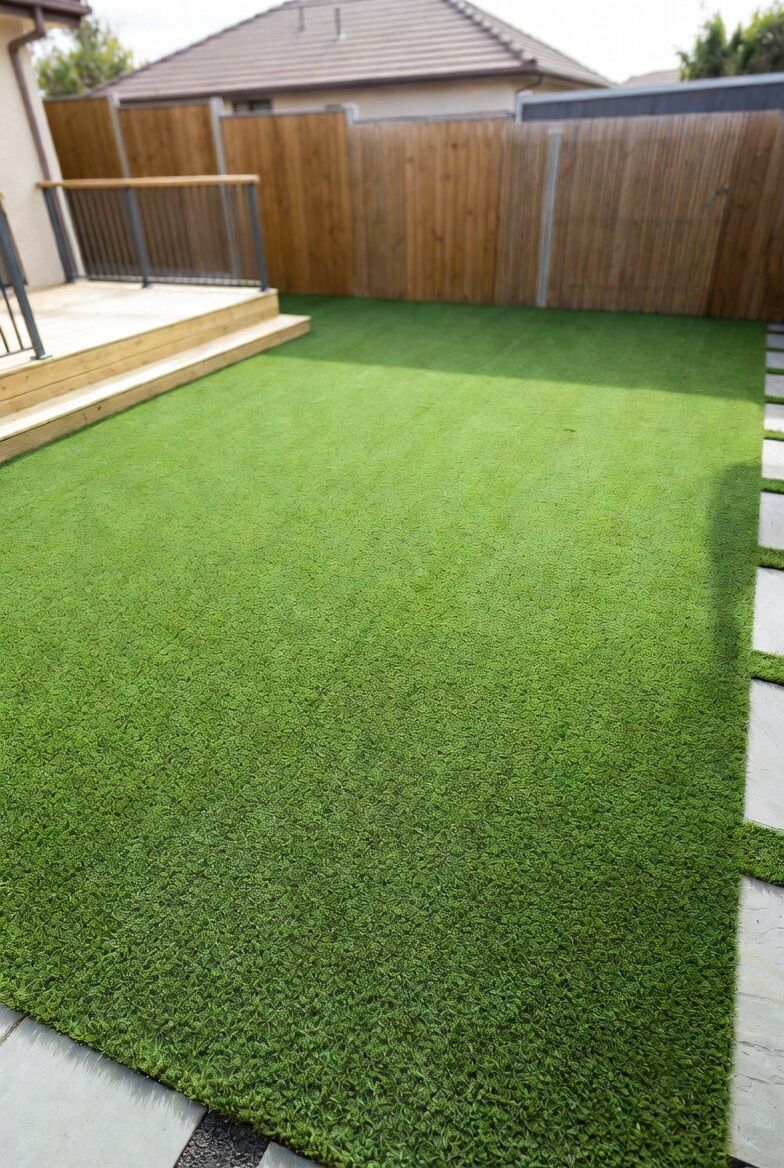
Outdoor improvements feel more coherent when their connections are planned as carefully as their centerpieces. For a Roswell project, examine the path between seating, lawn and any play or cooking area. A collection of attractive features can still feel awkward if the route between them is narrow or interrupts another activity. Start with the movement through the space, then choose the materials that support it.
Bring a more useful brief
Draw the doors that open toward the yard and show where chairs, tables or portable equipment sit during normal use. Identify the transition that needs the most attention: a muddy step, an abrupt edge or an inconvenient detour. These are examples to check, not claims about your property. A focused brief gives the design conversation something more useful than a list of products.
Test the plan before choosing finishes
Trace one complete journey through the future space, including the return trip. Note whether someone carrying food or equipment would cross an active area or squeeze past seating. Use the same drawing to compare layout alternatives. The exercise is about the relationship between uses, not adding extra features. A simpler connection may improve the plan more than another separate destination in the yard.
Choose by purpose
11 ways to shape your outdoor space
Residential Turf
Artificial turf changes the maintenance routine; it does not eliminate every task.
Explore residential turf →Putting Greens
Contours must be formed in the prepared foundation; the surface follows what is beneath it.
Explore putting greens →Sport Courts
A suitable foundation and drainage approach support a more consistent surface.
Explore sport courts →Commercial Turf
A commercial turf brief should explain who uses the area, when access is busiest and who looks after it.
Explore commercial turf →Hardscaping
Hardscaping depends on preparation beneath the visible finish.
Explore hardscaping →Retaining Walls
A new terrace may support a patio, lawn or other use, but that future use needs to be known during design.
Explore retaining walls →Drainage Systems
A useful drainage assessment starts with observations: where water appears, when it collects and how it moves through the space.
Explore drainage systems →Outdoor Kitchens
Appliance selections can affect gas, electrical and plumbing requirements.
Explore outdoor kitchens →Pergolas
The existing service page discusses wood, vinyl, aluminum and fiberglass among the available approaches.
Explore pergolas →Outdoor Living Design
Outdoor living design brings the separate decisions into one layout.
Explore outdoor living design →Record the existing conditions
A photograph shows appearance; a useful brief also records how the area behaves. Note the paths people repeat, the edges that collect debris and the places that stay wet. Measurements can be approximate at the first conversation. Keep observations separate from conclusions: describing a puddle is more helpful than deciding in advance that a particular product must be installed. The site visit can then test the idea against the actual property.
Keep the water route visible
Georgia clay and drainage are recurring topics in LawnLogic's service guides. A new surface does not remove the need to understand the ground beneath it. Ask how water moves across the proposed area and where it leaves. Include nearby downspouts and changes in level in your photographs. A drainage recommendation should follow the site assessment rather than an assumption that all properties in a city behave alike.
Clear answers before you start
Questions worth asking
How can a Roswell plan avoid disconnected improvements?
Show the team the whole outdoor area even if only one phase is being built. Discuss how a future patio, lawn or shade element would connect. The first phase should not close off the route or drainage needed by the next one.
Which services can I explore in Roswell?
These guides cover residential turf, pet turf, putting greens, sport courts, commercial turf, hardscaping, retaining walls, drainage systems, outdoor kitchens, pergolas and coordinated outdoor living design. Choose the primary purpose first, then consider related improvements.
Does LawnLogic install natural sod?
No. The published offer statement excludes natural sod, hydroseed, natural-grass installation, fertilization and natural-grass maintenance. These guides focus on artificial turf and the outdoor improvement categories actually listed by LawnLogic.
Is the turf price range a quote for every service?
No. The cost guide's $8–$17 per square foot installed range is for typical artificial turf planning. Walls, kitchens, drainage and other construction need their own scope. An address-specific assessment is needed before a project price is established.
Let’s make a practical plan
Tell us what you want your space to do.
Bring your questions, a few photographs and a rough outline. Start with an estimate, or contact Lawn Logic Turf to discuss the next step.
Prefer to talk? (706) 701-8873
Location reference: Roswell site guide. Straight-line distances use U.S. Census 2020 Gazetteer internal points, not driving routes. Service categories follow the published offer statement. No city-wide soil condition or permit rule is assumed.