Consultation lenses / Georgia
Turf & outdoor services in Milton, GA
Shared use priority
Plan a consultation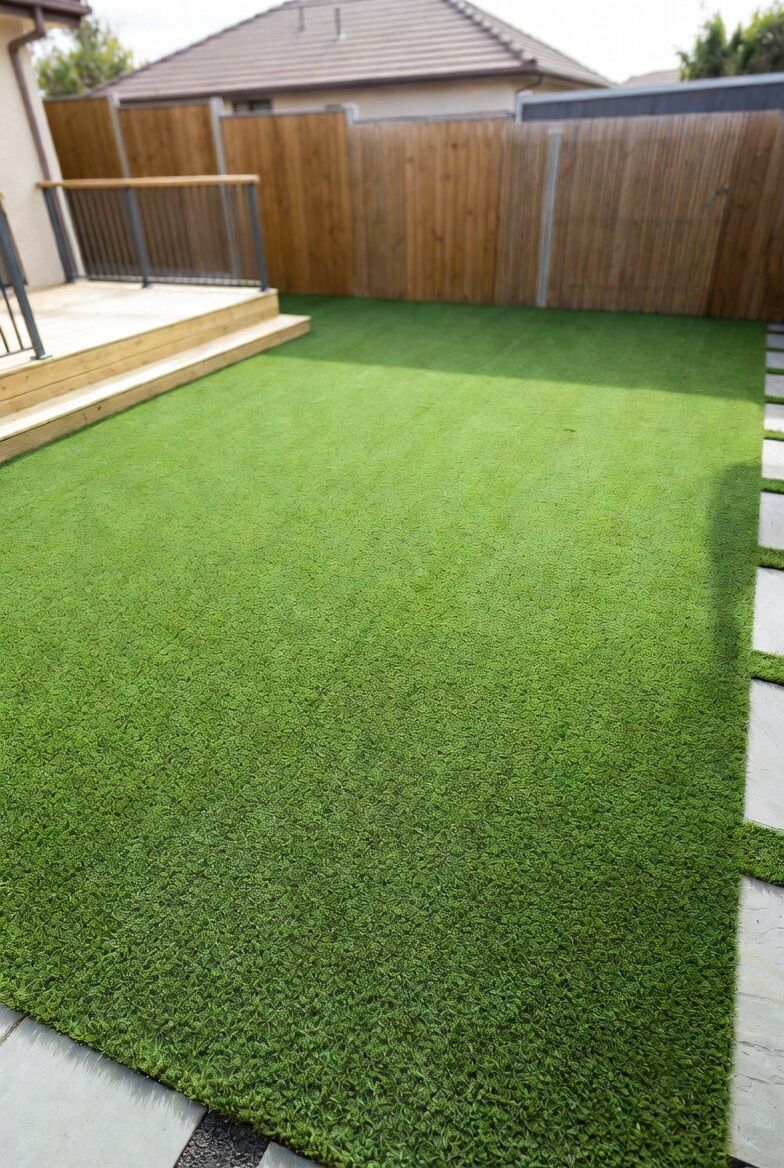
Balancing shared space
When planning an outdoor space, balancing shared use and conflicting activities becomes a central conversation. One might weigh the desire for a quiet retreat against the need for a lively gathering area, considering how each choice influences noise, privacy, and flow. The dialogue often explores whether a flexible surface can accommodate both casual strolls and energetic play, while also examining how visual barriers or open sightlines affect comfort. By weighing these trade‑offs, a property owner can shape a setting that respects multiple purposes without compromising personal enjoyment.
Shape a useful brief
The consultation focuses on identifying where artificial turf, hard surfaces, and built features intersect with user needs. We will map out likely traffic patterns, consider how pets, sports, and leisure gatherings might compete for space, and outline ways to separate or share zones. Each service option will be weighed for its impact on movement flow, safety, and enjoyment. The discussion aims to reveal tradeoffs such as quieter areas versus high‑energy zones, and how to balance durability with comfort. The result should be a set of actionable ideas that guide a cohesive outdoor plan.
Try this planning check
List the activities you expect most often, note the times they are busiest, decide where quiet and active zones should sit, consider how artificial turf can serve multiple purposes, think about needed signage or barriers, plan for easy access points, and identify any special equipment or accessories you want to include in each area.
Explore services by purpose
Residential Turf
Consider how many people will gather on the turf and what types of activities are most common. Ask yourself whether the space will host frequent foot traffic, casual games, or occasional gatherings. Request sample pieces to compare texture and color under different lighting. Inquire about edge detailing options and how the turf will transition to surrounding surfaces. Explore 15-Year Platinum Promise turf warranty terms and ask what maintenance steps are recommended to keep the surface in good condition. Think about how the turf will handle spills or stains and what cleaning methods are suggested. Discuss any plans for furniture placement and how that may affect the turf’s appearance over time.
Pet Turf
Identify the primary ways pets will use the area, such as running, digging, or relieving themselves. Ask about backing layers that can handle pet activity and any specific cleaning solutions recommended for pet-related messes. Request samples to feel the surface and see how it responds to paw pressure. Inquire about seam options and how they might affect pet comfort. Discuss the possibility of integrating a designated pet zone and how it can be visually separated from other uses. Consider questions about odor management and what routine actions are suggested. Explore 15-Year Platinum Promise turf warranty coverage for pet wear and any limitations that may apply.
Putting Greens
Think about the size of the green you want and the amount of space available for a realistic putting experience. Ask about the recommended slope and how it can be adjusted to match skill levels. Request sample sections to evaluate ball roll and surface firmness under different conditions. Inquire about edging options that keep the green tidy and separate it from surrounding areas. Discuss how you might incorporate a ball collection system and what layout variations are possible. Consider questions about durability under repeated use and what maintenance practices help preserve the playing surface. Review 15-Year Platinum Promise turf warranty details that address wear from frequent practice.
Sport Courts
Planning an artificial turf sport court starts with defining the game types you will host, such as basketball, volleyball, or multi‑sport use. Ask about the preferred surface firmness for each sport and select a pile height that offers a balance between bounce and foot grip. Consider a shock‑absorbing underlayer that reduces impact while allowing water to escape. Decide on boundary markings and whether you need removable lines for different activities. Bring a measuring wheel, a level, and any portable equipment you plan to store nearby. Ask the contractor about seam reinforcement at high‑traffic zones and about the best method to install surrounding walkways that keep the court clear of debris.
Commercial Turf
Consider how the artificial surface will accommodate the expected flow of people and equipment. Ask yourself which traffic patterns are most likely and whether you need separate entry points for delivery and customer access. Compare sample rolls for texture and color consistency, and request a mock‑up in a representative area. Document any concerns about edge transitions to adjacent hardscape or parking zones, and explore optional joint detailing. Inquire about waste disposal options for off‑cuts and how to handle repairs if damage occurs. Review 15-Year Platinum Promise turf warranty terms and ask what documentation you would need to keep for future claims. Evaluate the visual impact from different viewing distances and whether signage might be required to guide movement.
Hardscaping
Begin by photographing existing pathways, walls, and any built elements from multiple perspectives. Draft a paper layout that marks where you imagine new stone, pavers, or decking might sit, and label each zone with the activity it will support. Rank the intended uses, such as gathering, walking, or storage, to see how they overlap. Collect finish samples that appeal to you, noting texture and color, and arrange them beside your sketch for comparison. Write down specific questions about the extent of each hard surface, how it will relate to surrounding turf, and what maintenance expectations you have. Keep the focus on visual and functional preferences, leaving structural decisions to the professional.
Retaining Walls
Identify the areas where elevation changes create usable space or need stabilization. Draw a profile view of the slope and mark potential wall locations, then compare sample block styles for texture and finish. Ask how wall height influences design options and whether you prefer a stepped or single‑face appearance. Document any access points that must remain clear and consider optional coping or cap designs that could blend with adjacent surfaces. Inquire about the process for backfill material selection and how to monitor settlement over time. Explore the visual impact from various viewpoints and ask about integrating planting pockets if desired. Review maintenance expectations for joint cleaning and surface sealing.
Drainage Systems
A drainage plan for artificial turf should start with a question about the natural slope of the site and whether grading adjustments are advisable to encourage runoff away from high‑traffic zones. Ask if a perforated pipe layout beneath the base will meet the water‑handling expectations for pet use and occasional spills. Bring a topographic sketch to discuss potential swale locations that can double as aesthetic features while moving water. Inquire about the type of filter fabric that can separate the sub‑base from the pipe system without restricting flow. Explore the option of surface‑level catch basins that blend with the turf color and can be accessed for cleaning. Clarify the process for testing the system after installation to confirm that water moves as intended.
Outdoor Kitchens
Before meeting a designer for an outdoor kitchen, gather visual and written information that can guide the conversation. Photograph the existing space from several angles, including close‑up views of any utilities, hard surfaces, and surrounding elements. On graph paper or a digital sketch app, draw the layout to scale, marking where appliances, countertops, storage, and seating might fit. Create a ranked list of activities you expect, such as cooking, dining, entertaining, or casual coffee, and note any seasonal or accessibility considerations. Collect samples of countertop materials, tile, or finish options and arrange them side by side for comparison. Write down questions about power, gas, waste connections, and any local requirements you think may apply, leaving technical details for the professional to assess.
Pergolas
Decide on the size and shape of the pergola and whether you prefer an open or partially covered design. Ask for material samples, such as wood, metal, or composite, to compare look and feel. Inquire about roof options, like lattice, fabric, or slats, and how they influence shade and airflow. Discuss how the pergola will connect to existing structures or stand alone in the yard. Consider questions about lighting integration, plant growth, and how seasonal changes might affect the design. Request sample details for hardware finishes and how they coordinate with other outdoor elements. Review any suggested maintenance routines for the chosen material to keep it looking its best.
Outdoor Living Design
Begin by sketching a rough outline of the desired outdoor living area, noting where artificial turf will meet hardscape, seating, and shade elements. Ask yourself how many zones of activity you envision, whether a dining section, lounge space, or quiet retreat should be distinct or flow together. Consider bringing material samples for decking, pavers, and railing to compare texture and color against the turf surface. Document preferred circulation paths and how they connect to existing entrances, noting any steps or ramps needed for easy access. Explore lighting options by placing temporary fixtures to see how shadows shift after dark. Reflect on storage needs for cushions or equipment and whether a discreet enclosure fits the layout. Finally, list any questions about future modifications, such as adding a fire feature or extending the turf footprint, to guide later decisions.
Continue planning
Fulton County; primary county from the Census place listing.
Pricing and Platinum Promise boundaries
Use $8–$17 per sq ft installed only as an artificial turf planning range, not a measured quote or a price for other construction. The 15-Year Platinum Promise turf warranty applies to turf; confirm applicable product and scope terms during consultation. Do not extend turf terms to unrelated outdoor improvements.
Questions for your consultation
What should I bring to an outdoor project consultation?
Bring clear hand‑drawn sketches or digital plans, recent photographs of the area, and any measurements of existing features. Include a list of desired activities, any constraints you have noticed, and notes on budget or timeline. Having these items ready helps the consultant understand your vision quickly.
Is this a description of every property in Milton?
No. This is a consultation lens, not a claim about local properties. Bring your own measurements, photographs and intended uses so the discussion starts with the actual space.
What belongs in the project scope?
Ask which elements are included, which are optional and what still needs assessment. Record decisions in writing before comparing proposals.
How should I use this city collection?
Use it to prepare questions and compare priorities, not as a site-specific design or a promise of project results. A consultation should establish the appropriate next steps.
Bring your questions, not a finished design
Discuss the intended use, share a sketch and separate essential work from optional ideas.
Request a free quote