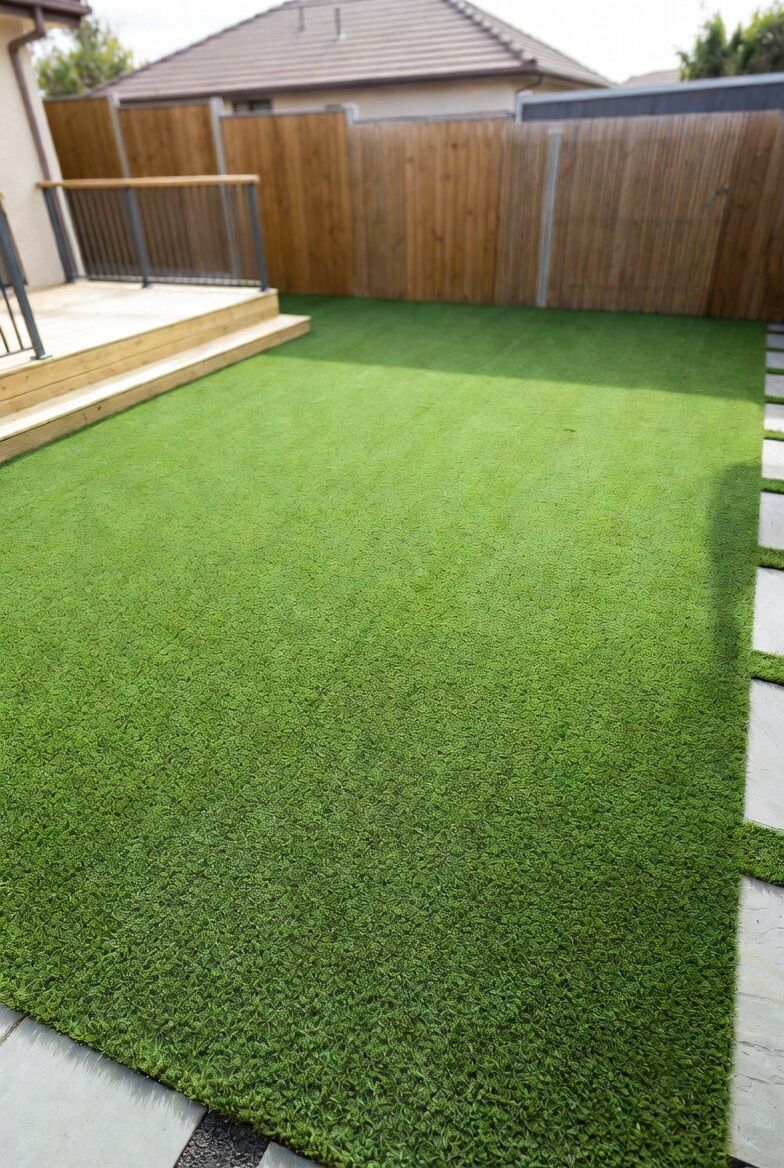
Observe Movement Patterns Before Laying Turf or Building
For your Norcross project, sketch the intended working area and note how people and equipment move through it. Identify natural foot traffic paths, vehicle access points, and any recurring motion that could affect surface wear or installation. Take photographs from multiple angles to capture daily usage rhythms. Measure clearances around gates and doors to ensure smooth transitions. Document existing obstacles and elevation changes that might redirect flow.
Bring a more useful brief
Evaluate how movement patterns influence layout decisions for turf and hardscape. Document pedestrian and equipment pathways to align installations with real-world use. Measure clearances and elevation shifts near access points. Use visual notes to map recurring traffic flows and potential bottlenecks. This helps anticipate where stress or wear might concentrate and informs where reinforcement or design adjustments are needed before final plans are set.
Test the plan before choosing finishes
Observe and sketch recurring foot traffic patterns, mark vehicle access points and turning spaces, photograph entry zones from multiple angles, measure gate swings and clearance widths, note elevation changes near movement corridors, compare seasonal usage differences in flow, identify potential friction points between activity zones, document existing surface transitions, verify unobstructed routes for service access, and align turf seams with dominant directional movement.
Choose by purpose
11 ways to shape your outdoor space
Residential Turf
Identify areas where materials might be staged and consider how tools or vehicles access the site without disturbing adjacent surfaces. Ask yourself how the layout supports natural foot traffic—where do people naturally walk, sit, or play? Compare surface materials now present versus what you envision post-installation and list what stays versus what changes.
Explore residential turf →Pet Turf
Ask whether the finished space will need defined activity zones, such as resting versus running areas for pets, and if certain materials like rubber infill or drainage layers better support frequent cleanup. Think about how furniture or toys might shift over time and whether fixed elements could help organize the layout.
Explore pet turf →Putting Greens
Note gate locations, access points, and retained surfaces like patios or walkways that intersect the flow. Compare material options for the green and surrounding zones by considering how each affects movement and visual continuity.
Explore putting greens →Sport Courts
Think about gate placement, access points for delivery, and how existing features—like walkways or fences—might be preserved or reconfigured. Compare surface textures and colors to ensure smooth visual and functional continuity.
Explore sport courts →Commercial Turf
Identify all entry and exit points, including doors, gates, and any narrow pathways that could restrict access for rollers or delivery vehicles. Consider how surface transitions—like steps, ramps, or changes in material—might affect both foot traffic and maintenance routines.
Explore commercial turf →Hardscaping
Discuss with the team how retained surfaces interact with adjacent grade changes, and whether transitions feel deliberate or abrupt. Prepare questions about long-term usability, not just appearance.
Explore hardscaping →Retaining Walls
Consider how people and equipment will move through the space during and after construction—track foot and equipment flow to avoid bottlenecks or conflicts. Compare wall material options based on height, appearance, and how they integrate with neighboring surfaces.
Explore retaining walls →Drainage Systems
Consider how grading, even subtle slopes, will guide movement without requiring excavation. This exercise separates essentials—like preventing ponding—from preferences, such as visible drainage features or decorative outlets.
Explore drainage systems →Outdoor Kitchens
Write down any unanswered questions you have about the integration of appliances, storage, or power sources, and bring those to the consultation. Compare material options for durability and appearance without focusing on brand or cost.
Explore outdoor kitchens →Pergolas
Take clear photographs from multiple angles to capture sightlines and how shadows fall across surfaces throughout the day. Consider where gates or retaining walls intersect with the structure’s footprint and whether the pergola’s support locations align with existing hardscape edges.
Explore pergolas →Outdoor Living Design
Measure distances between key points, especially where gates or access points will be placed, and mark where utilities or retained surfaces intersect with planned activity zones. Compare material options side by side to assess texture, scale, and how they relate to adjacent surfaces; ask whether transitions feel intentional or abrupt.
Explore outdoor living design →Think about a hot afternoon
Georgia heat is already discussed throughout the site's turf guidance. Consider when you use the outdoor area and where shade is available. Manufactured surfaces are not a promise of cool barefoot conditions in direct sun. Discuss product choice, shade and everyday supervision where children or animals use the space. Visiting the proposed area at different times can give the design conversation better information than a single morning photograph.
Protect future options
Tell the team about later plans even if the first quote covers only one improvement. A future shade structure, cooking area or new path may affect preparation today. Ask which decisions are permanent and which can wait. Phasing works best with a defined endpoint for each stage, not an unfinished edge that is assumed to fit whatever comes next. Keep future ideas labeled as options rather than implied inclusions.
Clear answers before you start
Questions worth asking
How do you record movement through the working area before installation begins?
Begin by walking the site at different times to observe typical pedestrian routes and identify high-traffic zones. Note where vehicles or equipment enter and turn, marking turning radii and gate swing zones. Take sequential photographs from fixed points to compare movement over time. Sketch overlapping flow lines on a site plan. Measure door-to-turf or door-to-hardscape distances to ensure clear transitions. Use this data to position installations where movement supports function rather than conflicts with it.
Which services can I explore in Norcross?
These guides cover residential turf, pet turf, putting greens, sport courts, commercial turf, hardscaping, retaining walls, drainage systems, outdoor kitchens, pergolas and coordinated outdoor living design. Choose the primary purpose first, then consider related improvements.
Does LawnLogic install natural sod?
No. The published offer statement excludes natural sod, hydroseed, natural-grass installation, fertilization and natural-grass maintenance. These guides focus on artificial turf and the outdoor improvement categories actually listed by LawnLogic.
Is the turf price range a quote for every service?
No. The cost guide's $8–$17 per square foot installed range is for typical artificial turf planning. Walls, kitchens, drainage and other construction need their own scope. An address-specific assessment is needed before a project price is established.
Let’s make a practical plan
Tell us what you want your space to do.
Bring your questions, a few photographs and a rough outline. Start with an estimate, or contact Lawn Logic Turf to discuss the next step.
Prefer to talk? (706) 701-8873
Straight-line distances use U.S. Census 2020 Gazetteer internal points, not driving routes. Service categories follow the published offer statement. No city-wide soil condition or permit rule is assumed.