Observe Movement Patterns Before Laying Turf or Building
For your Norcross project, sketch the intended working area and note how people and equipment move through it. Identify natural foot traffic paths, vehicle access points, and any recurring motion that could affect surface wear or installation. Take photographs from multiple angles to capture daily usage rhythms. Measure clearances around gates and doors to ensure smooth transitions. Document existing obstacles and elevation changes that might redirect flow.
Your Norcross project brief
Evaluate how movement patterns influence layout decisions for turf and hardscape. Document pedestrian and equipment pathways to align installations with real-world use. Measure clearances and elevation shifts near access points. Use visual notes to map recurring traffic flows and potential bottlenecks. This helps anticipate where stress or wear might concentrate and informs where reinforcement or design adjustments are needed before final plans are set.
A practical check before design
Observe and sketch recurring foot traffic patterns, mark vehicle access points and turning spaces, photograph entry zones from multiple angles, measure gate swings and clearance widths, note elevation changes near movement corridors, compare seasonal usage differences in flow, identify potential friction points between activity zones, document existing surface transitions, verify unobstructed routes for service access, and align turf seams with dominant directional movement.
Sport Courts Planning for Norcross Projects
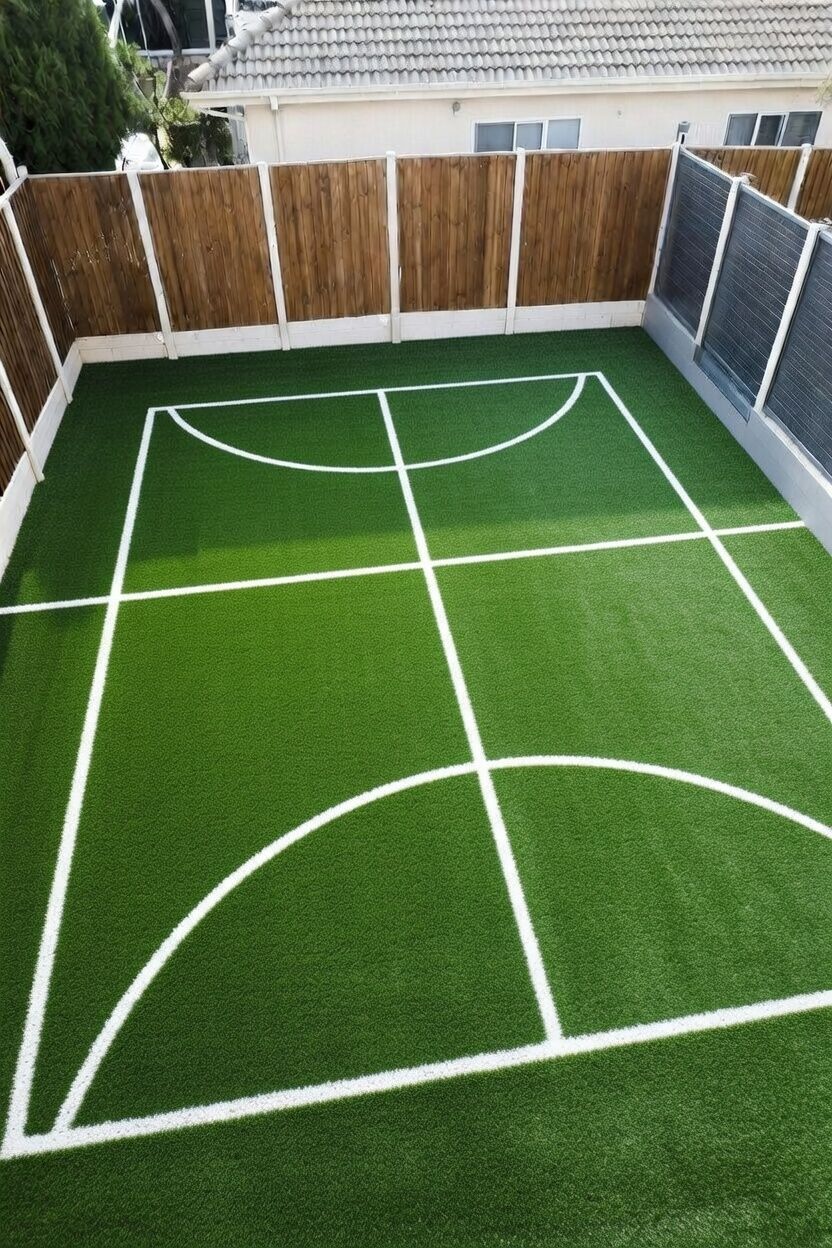
For your Norcross project, sketch the intended working area and note how existing surfaces connect to new ones, especially where foot traffic or equipment movement crosses between old and new materials. Consider where players enter and exit the court, how equipment is stored, and whether there is clear space for warm-up or resting zones nearby. Take photographs of the site from multiple angles to capture how light falls and how nearby structures frame the area. Ask if the court will host specific activities like pickleball, basketball, or informal games, since layout and surface transitions vary by sport. Think about gate placement, access points for delivery, and how existing features—like walkways or fences—might be preserved or reconfigured. Compare surface textures and colors to ensure smooth visual and functional continuity. Prepare questions about height clearance, power access, and whether adjacent surfaces will remain unchanged during use. Focus on how movement flows across the entire zone, not just the playing area itself.
Name the activity before the surface
Sport courts and athletic turf cover different uses. A practice lane, agility area and ball court do not automatically need the same finish. Begin with the sport, the age and number of users, and the type of movement expected. LawnLogic's athletic service page discusses footwork, ball behavior and concentrated wear. Explain the actual activity rather than requesting a generic sports surface, and ask which construction approach fits that activity and the available footprint.
Keep the water route visible
Georgia clay and drainage are recurring topics in LawnLogic's service guides. A new surface does not remove the need to understand the ground beneath it. Ask how water moves across the proposed area and where it leaves. Include nearby downspouts and changes in level in your photographs. A drainage recommendation should follow the site assessment rather than an assumption that all properties in a city behave alike.
Keep space around the action
The playable rectangle is only part of the layout. Consider entry, equipment storage, spectators and the route back to the house. Fixed obstacles and nearby activity zones need to be visible in the plan. Do not choose a court size from a photograph or assume lines painted on a surface make it suitable for organized play. Discuss the intended use, required clearances and any product-specific requirements before committing the whole outdoor area to a single activity.
Make room for routine care
Consider how you will remove leaves, reach edges and clean the finished area. A narrow strip behind furniture may look attractive in a drawing but be awkward to maintain. Discuss the care instructions for the selected product and identify any tools or access needed. Low-maintenance materials still benefit from attention, and a practical layout can make that attention easier to provide throughout the year.
Preparation influences consistency
A suitable foundation and drainage approach support a more consistent surface. The athletic guide distinguishes performance use from a decorative lawn; compare the complete system, not only the color of the finish. Ask how edges, transitions and any equipment will be addressed. Regular debris removal and condition checks remain part of care. A proposal should identify what is included in the playing area and what is a separate decision, such as lighting, enclosures or additional equipment.
Related decisions in Norcross
Use these guides to explore the interfaces around the main project. Related work is not automatically included in a quote.
Clear answers before you start
Questions worth asking
Is athletic turf the right surface for every court?
No single surface should be assumed suitable for every activity. Describe the sport and how the space will be used. Ask the team to explain the proposed surface, preparation and clearances, and identify any equipment or specialist requirements separately.
How do you record movement through the working area before installation begins?
Begin by walking the site at different times to observe typical pedestrian routes and identify high-traffic zones. Note where vehicles or equipment enter and turn, marking turning radii and gate swing zones. Take sequential photographs from fixed points to compare movement over time. Sketch overlapping flow lines on a site plan. Measure door-to-turf or door-to-hardscape distances to ensure clear transitions. Use this data to position installations where movement supports function rather than conflicts with it.
What should the sport courts proposal explain?
Ask for the working area, preparation, selected materials and the transitions to existing features. For this service, pay particular attention to the intended game and safe circulation around it. Confirm exclusions and any related work before comparing a final price.
How does Norcross's location affect the design?
Norcross is in Gwinnett County. Approximately 24.4 miles east of Kennesaw in a straight line. Those geographic facts do not describe the ground at your address. Site access, water movement and intended use still need assessment before a design is chosen.
Let’s make a practical plan
Tell us what you want your space to do.
Bring your questions, a few photographs and a rough outline. Start with an estimate, or contact Lawn Logic Turf to discuss the next step.
Prefer to talk? (706) 701-8873
Service basis: Sport Courts guide. Coordinates: U.S. Census 2020 Gazetteer. Distances use city internal points, not road routes. Turf product reference: SGW; see LawnLogic’s published product information. The 15-Year Platinum Promise is a turf warranty; confirm applicable terms for your product and scope, not unrelated construction.