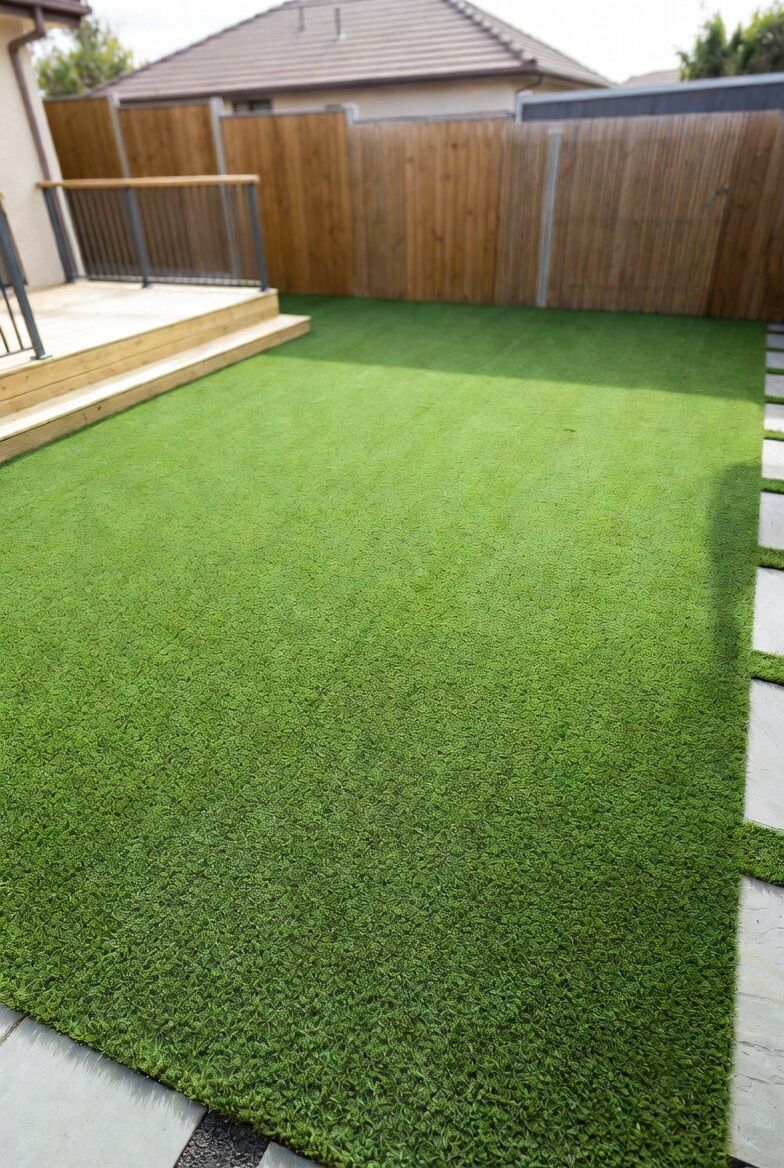
Everyday Use rehearsal for Redan installations
For your Redan project, sketch the intended working area and note all entry points and obstacles. Identify high-traffic zones and measure distances between structures to plan efficient material flow. Take clear photographs of the site from multiple angles before any changes occur. Confirm gate width and swing direction to ensure equipment access. Note existing retained edges, slopes, or steps that may affect the installation approach.
Bring a more useful brief
Review how the space will be used daily to determine load paths, movement patterns, and functional zones. Measure each dimension twice and photograph reference points such as utility access, drain lines, and structural anchors. Compare turf types and base materials based on expected foot traffic, surface retention, and subgrade compatibility. Consider how access points, gates, and retained edges interact with equipment and installation steps to avoid last-minute complications.
Test the plan before choosing finishes
Confirm all entry points accommodate required tools and equipment, verify gate widths and swing clearances, measure and photograph every section of the working area, note retained edges and elevation changes, and simulate material placement and movement paths with full tools to ensure smooth workflow and accurate layout alignment.
Choose by purpose
11 ways to shape your outdoor space
Residential Turf
Take clear photographs from multiple angles to capture how light hits the space and how adjacent features like fences, gates, or retaining walls sit in relation to the proposed turf. Measure doorways and gate openings to ensure smooth access for moving equipment or materials later on.
Explore residential turf →Pet Turf
Compare material options by asking how each handles repeated traffic, drainage, and easy cleanup—focus on texture, density, and backing type. Consider activity layouts: where feeding, resting, and elimination zones naturally form, and how those might shift over time.
Explore pet turf →Putting Greens
When rehearsing everyday use, simulate a full round of short putts from varying distances, turning each repetition into a movement sequence: stance, swing, follow-through, return to start. This exercise reveals whether the layout supports rhythm and comfort.
Explore putting greens →Sport Courts
Reflect on whether lighting poles, benches, or signage will integrate with the design. Discuss how sound dampening or visual privacy might matter if adjacent spaces are in use.
Explore sport courts →Commercial Turf
Consider how lighting, signage, or nearby features might interact with the finished surface. Think about how the space will be used during peak hours and whether the chosen solution supports that rhythm without causing congestion or visual clutter.
Explore commercial turf →Hardscaping
Consider how people naturally flow through the space: rehearse walking, carrying groceries, or guiding pets along the proposed paved route. Ask whether retained surfaces will support intended uses without abrupt transitions or tripping hazards.
Explore hardscaping →Retaining Walls
Consider how the retained surface will be used and whether access points need to remain clear for equipment or foot traffic. Ask yourself how water might collect behind the wall and whether drainage paths are already visible or need attention.
Explore retaining walls →Drainage Systems
Consider photographing the site from multiple angles, especially where old concrete or pavers connect to new turf zones, and look for visible slopes or flat patches that influence movement. Ask yourself where water naturally collects after rain and whether it moves toward structures, walkways, or open lawn.
Explore drainage systems →Outdoor Kitchens
Ask yourself how the space will connect to the home’s interior and whether door placement supports smooth traffic flow during use. Compare material options for countertops and finishes based on durability and visual harmony with the surrounding hardscape.
Explore outdoor kitchens →Pergolas
Reflect on whether existing overhead elements like power lines or tree limbs might interfere with design intent. Jot down unanswered questions, such as how the structure will connect to the home or whether integrated lighting or climbing supports are desired.
Explore pergolas →Outdoor Living Design
Take clear photographs of the site from multiple angles, especially where access to the space might be constrained by gates, fences, or retained surfaces. Consider how movement through the area flows between activities and whether existing features, such as steps or slopes, support or interfere with intended use.
Explore outdoor living design →Record the existing conditions
A photograph shows appearance; a useful brief also records how the area behaves. Note the paths people repeat, the edges that collect debris and the places that stay wet. Measurements can be approximate at the first conversation. Keep observations separate from conclusions: describing a puddle is more helpful than deciding in advance that a particular product must be installed. The site visit can then test the idea against the actual property.
Keep the water route visible
Georgia clay and drainage are recurring topics in LawnLogic's service guides. A new surface does not remove the need to understand the ground beneath it. Ask how water moves across the proposed area and where it leaves. Include nearby downspouts and changes in level in your photographs. A drainage recommendation should follow the site assessment rather than an assumption that all properties in a city behave alike.
Clear answers before you start
Questions worth asking
Have you walked the site with full tools to verify gate width, equipment maneuverability, and retained-surface transitions?
Before installation begins, simulate each phase with full tools and materials to confirm access routes and fit. Walk the site multiple times, noting how gates swing, how materials enter, and where retained surfaces meet new installations. Check for obstructions like low-hanging wires, fixed fixtures, or uneven transitions. Verify that each working area has clear entry and exit paths. This rehearsal helps catch access issues before material delivery and reduces on-site delays.
Which services can I explore in Redan?
These guides cover residential turf, pet turf, putting greens, sport courts, commercial turf, hardscaping, retaining walls, drainage systems, outdoor kitchens, pergolas and coordinated outdoor living design. Choose the primary purpose first, then consider related improvements.
Does LawnLogic install natural sod?
No. The published offer statement excludes natural sod, hydroseed, natural-grass installation, fertilization and natural-grass maintenance. These guides focus on artificial turf and the outdoor improvement categories actually listed by LawnLogic.
Is the turf price range a quote for every service?
No. The cost guide's $8–$17 per square foot installed range is for typical artificial turf planning. Walls, kitchens, drainage and other construction need their own scope. An address-specific assessment is needed before a project price is established.
Let’s make a practical plan
Tell us what you want your space to do.
Bring your questions, a few photographs and a rough outline. Start with an estimate, or contact Lawn Logic Turf to discuss the next step.
Prefer to talk? (706) 701-8873
Straight-line distances use U.S. Census 2020 Gazetteer internal points, not driving routes. Service categories follow the published offer statement. No city-wide soil condition or permit rule is assumed.