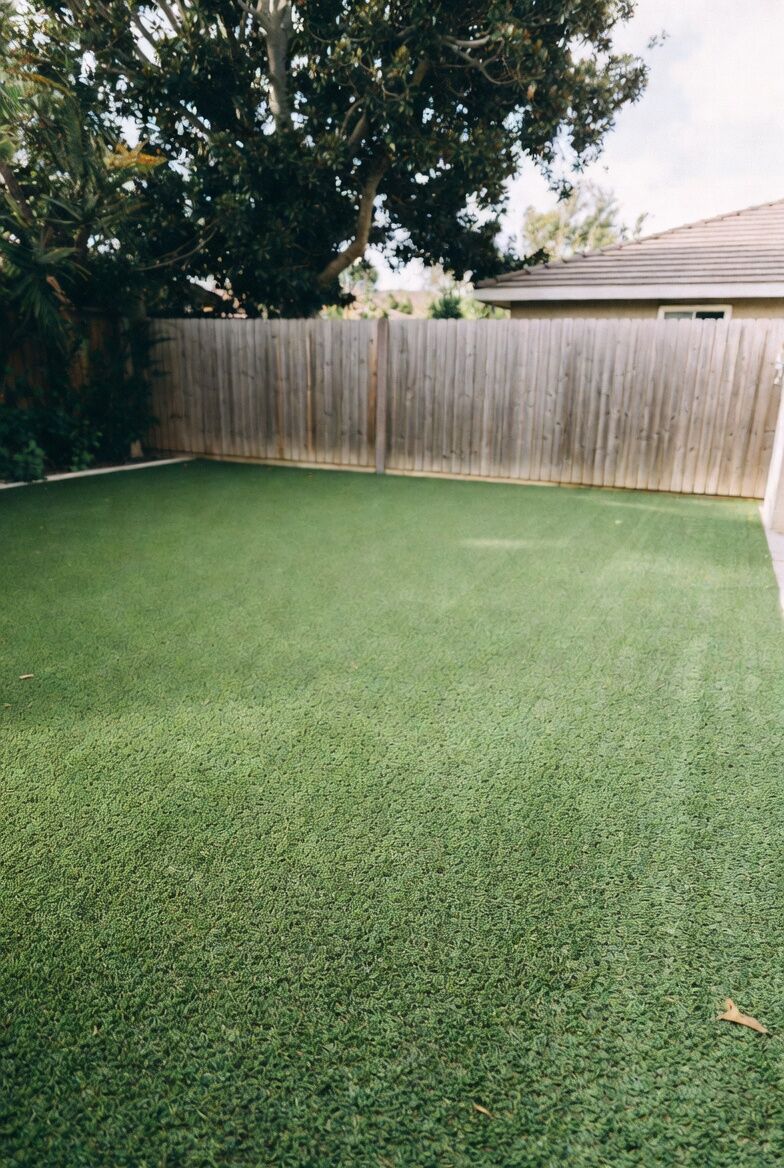
Everyday Use rehearsal for Redan installations
For your Redan project, sketch the intended working area and note all entry points and obstacles. Identify high-traffic zones and measure distances between structures to plan efficient material flow. Take clear photographs of the site from multiple angles before any changes occur. Confirm gate width and swing direction to ensure equipment access. Note existing retained edges, slopes, or steps that may affect the installation approach.
Your Redan project brief
Review how the space will be used daily to determine load paths, movement patterns, and functional zones. Measure each dimension twice and photograph reference points such as utility access, drain lines, and structural anchors. Compare turf types and base materials based on expected foot traffic, surface retention, and subgrade compatibility. Consider how access points, gates, and retained edges interact with equipment and installation steps to avoid last-minute complications.
A practical check before design
Confirm all entry points accommodate required tools and equipment, verify gate widths and swing clearances, measure and photograph every section of the working area, note retained edges and elevation changes, and simulate material placement and movement paths with full tools to ensure smooth workflow and accurate layout alignment.
Residential Turf Planning for Redan
For your Redan project, sketch the intended working area and note where daily foot traffic flows, such as paths from the house to the garage or play zones for children. Take clear photographs from multiple angles to capture how light hits the space and how adjacent features like fences, gates, or retaining walls sit in relation to the proposed turf. Measure doorways and gate openings to ensure smooth access for moving equipment or materials later on. Consider how retained surfaces—like patios, walkways, or existing decorative stone—interact with the new surface and whether transitions feel intuitive. Compare alternatives by imagining two versions: one where turf borders existing hardscape with a tight, clean edge, and another where it wraps gently around curves to soften boundaries. Ask yourself how each option affects the rhythm of everyday movement across the yard. What visual weight does each layout carry? How do shadows fall differently across the two? These comparisons help narrow down layout priorities before materials or installation enter the conversation.
The important work is underneath
The residential service guide describes base preparation, separation over clay, seam quality and secure edging as important parts of an installation. Those details should be visible in the proposal, not hidden behind a product photograph. Water still needs somewhere to go after it passes through turf. Ask how the prepared area will meet paving, planting beds and steps so that the edge works as a transition rather than becoming an obstacle or a place that collects debris.
Record the existing conditions
A photograph shows appearance; a useful brief also records how the area behaves. Note the paths people repeat, the edges that collect debris and the places that stay wet. Measurements can be approximate at the first conversation. Keep observations separate from conclusions: describing a puddle is more helpful than deciding in advance that a particular product must be installed. The site visit can then test the idea against the actual property.
A lawn without mowing still needs care
Artificial turf changes the maintenance routine; it does not eliminate every task. Leaves and other debris need removal, fibers may need brushing, and heavily used areas deserve periodic inspection. Discuss pets and movable furniture before selecting the product. LawnLogic publishes a typical artificial-turf installed range of $8–$17 per square foot on its cost page. Treat that as an initial planning range, not a measured quote or a price for unrelated outdoor construction.
Use samples as a decision tool
Look at proposed materials beside the surfaces you intend to keep. Color, texture and transitions can read differently outside than on a screen. Samples are useful for narrowing preferences, but they do not demonstrate the base preparation or drainage beneath a finished installation. Ask both questions: how will this look in the setting, and what construction is needed for it to function as intended?
Choose the lawn you will actually use
Residential artificial turf replaces a growing lawn with a manufactured surface supported by a prepared base. The decision is about use as much as appearance: a front lawn, family backyard and narrow side passage do not experience the same traffic. Start by identifying the area that needs to stay open and the routes that repeatedly wear down. Compare samples in the setting where they will be used, and discuss the feel, pile and care needs rather than selecting only the greenest color.
Related decisions in Redan
Use these guides to explore the interfaces around the main project. Related work is not automatically included in a quote.
Clear answers before you start
Questions worth asking
How is residential turf different from a decorative mat?
The installed system includes the prepared ground, base, edges, seams and infill where specified. Ask for those elements in the scope rather than comparing only the visible grass. The property assessment determines what preparation is appropriate.
Have you walked the site with full tools to verify gate width, equipment maneuverability, and retained-surface transitions?
Before installation begins, simulate each phase with full tools and materials to confirm access routes and fit. Walk the site multiple times, noting how gates swing, how materials enter, and where retained surfaces meet new installations. Check for obstructions like low-hanging wires, fixed fixtures, or uneven transitions. Verify that each working area has clear entry and exit paths. This rehearsal helps catch access issues before material delivery and reduces on-site delays.
What should the residential turf proposal explain?
Ask for the working area, preparation, selected materials and the transitions to existing features. For this service, pay particular attention to the daily route across the lawn. Confirm exclusions and any related work before comparing a final price.
How does Redan's location affect the design?
Redan is in DeKalb County. Approximately 32.6 miles southeast of Kennesaw in a straight line. Those geographic facts do not describe the ground at your address. Site access, water movement and intended use still need assessment before a design is chosen.
Let’s make a practical plan
Tell us what you want your space to do.
Bring your questions, a few photographs and a rough outline. Start with an estimate, or contact Lawn Logic Turf to discuss the next step.
Prefer to talk? (706) 701-8873
Service basis: Residential Turf guide. Coordinates: U.S. Census 2020 Gazetteer. Distances use city internal points, not road routes. Turf product reference: SGW; see LawnLogic’s published product information. The 15-Year Platinum Promise is a turf warranty; confirm applicable terms for your product and scope, not unrelated construction.