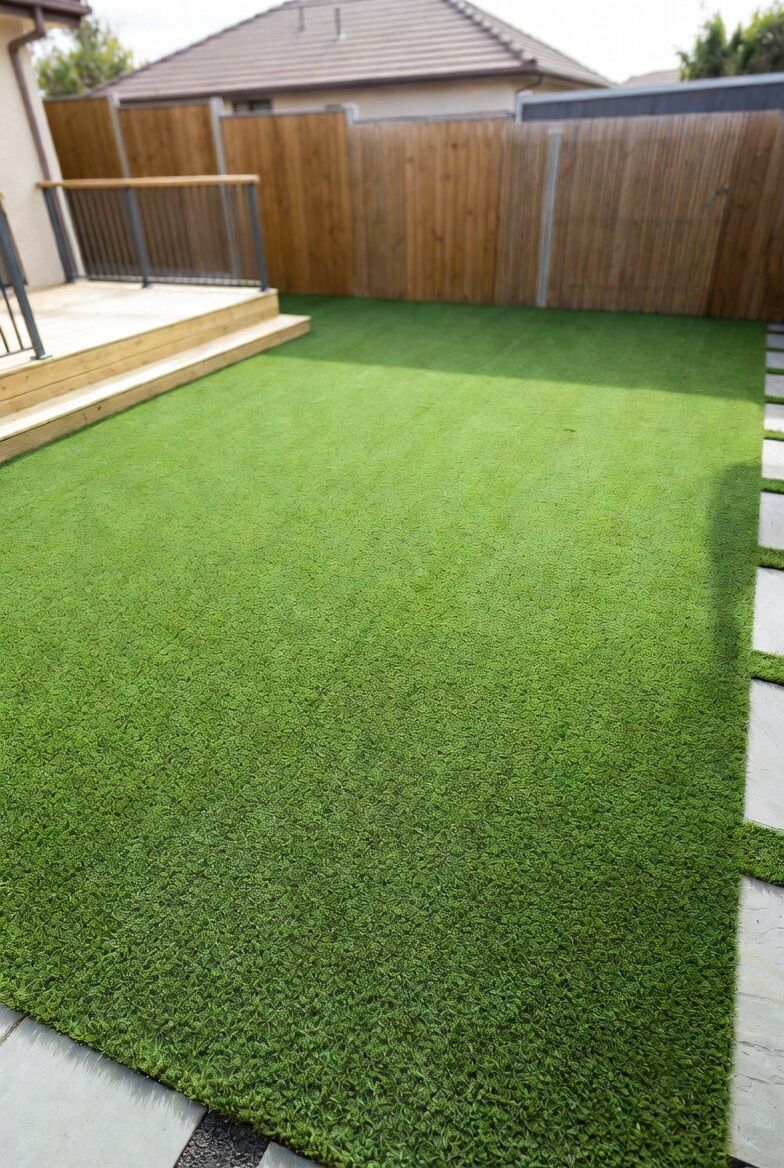
Cleaning Preparation for Turf and Construction Sites
For your Avondale Estates project, sketch the intended working area. Identify zones where debris, dust, or residue may accumulate during installation. Note existing surfaces that require protection before cleaning begins. Photograph all access points and retained surfaces. Gather material specifications to match appropriate cleaning methods. Ensure safe pathways for equipment and personnel. Clarify activity layouts to avoid rework or contamination after cleaning.
Your Avondale Estates project brief
Begin by clearing the site of loose debris and large obstructions. Assess retained surfaces for compatible cleaning agents and tools. Ensure electrical and water access is available near the work zone. Block off adjacent areas to prevent cross-contamination. Verify that all retained features can withstand expected cleaning pressure. Review material compatibility charts to avoid surface damage. Document pre-cleaning conditions with clear photographs for reference and quality assurance.
A practical check before design
Mark off the cleaning zone using tape or stakes to define boundaries. Take before photos of all surfaces under treatment. Confirm water and power access points are functional and positioned safely. Review material compatibility charts and prepare test patches. Identify and protect adjacent surfaces from overspray or runoff. Verify equipment settings match surface requirements and adjust as necessary. Ensure waste collection containers are in place for debris and rinse materials.
Artificial Turf & Pergola Consultation Planning
For your Avondale Estates project, sketch the intended working area and note how the pergola’s footprint aligns with existing boundaries and access points. Identify where the structure will attach to the house or freestanding posts, and measure clearances for gates, pathways, and adjacent surfaces. Take photos from multiple angles to capture how light falls across the space and how shade may shift through the day. Compare surface materials already in place—patio stone, concrete, or existing turf—to understand compatibility with the proposed layout. Think about how people will move through and around the area, especially near retained edges or changes in elevation. Consider whether the pergola will anchor into a poured slab, deck, or grade-level footings, and note any overhead obstructions like power lines or tree limbs. Prepare questions about material options, support post placement, and how shade patterns might affect intended use. This helps verify if surfaces can support intended activity without compromising stability or appearance.
Place the supports on the plan
Posts and structural connections take space and influence circulation. Show furniture, doors, steps and existing paving while the design is still flexible. The support arrangement needs to work with the site and any adjoining surfaces, not be added as an afterthought. Discuss permit and structural requirements for the actual location and design; this page does not substitute a general rule for local review. If a patio is also planned, coordinate the support decisions before its finished surface is installed.
Keep the water route visible
Georgia clay and drainage are recurring topics in LawnLogic's service guides. A new surface does not remove the need to understand the ground beneath it. Ask how water moves across the proposed area and where it leaves. Include nearby downspouts and changes in level in your photographs. A drainage recommendation should follow the site assessment rather than an assumption that all properties in a city behave alike.
Choose a material with its care in mind
The existing service page discusses wood, vinyl, aluminum and fiberglass among the available approaches. Compare appearance, upkeep and the intended structure rather than selecting from a color alone. Ask how the chosen finish is cleaned and maintained. Plant growth, lighting and other additions should be part of the discussion if desired, but should not be presumed included. The written scope should identify the structure and covering approach clearly so the expected shade is not left to interpretation.
Use samples as a decision tool
Look at proposed materials beside the surfaces you intend to keep. Color, texture and transitions can read differently outside than on a screen. Samples are useful for narrowing preferences, but they do not demonstrate the base preparation or drainage beneath a finished installation. Ask both questions: how will this look in the setting, and what construction is needed for it to function as intended?
Be specific about the shade you want
A pergola with open slats creates a different experience from a solid or retractable cover. LawnLogic's shade-structure page makes that distinction and discusses several material choices. Decide whether you want filtered light, a stronger sense of an outdoor room or a more covered seating area. Observe the space at the time you actually use it, rather than assuming a structure that looks shaded in one photograph will meet every afternoon need.
Related decisions in Avondale Estates
Use these guides to explore the interfaces around the main project. Related work is not automatically included in a quote.
Clear answers before you start
Questions worth asking
Does every pergola provide full rain cover?
No. An open-slatted pergola is different from a solid covered structure. Explain the light and weather protection you want, then confirm the proposed roof or covering type in the design rather than relying on the word pergola alone.
How do you confirm the cleaning method suits the underlying surfaces?
Review manufacturer guidelines for each retained surface type before selecting cleaning tools or agents. Conduct a small test area to observe reactions under expected pressure and exposure time. Compare material specifications for porosity, finish, and chemical resistance. Observe existing wear patterns that may affect cleaning outcomes. Confirm access to rinse water and drainage paths. Photograph test results and adjust procedures as needed. Confirm that all selected methods align with the project’s tolerance for residue or rework.
What should the pergolas proposal explain?
Ask for the working area, preparation, selected materials and the transitions to existing features. For this service, pay particular attention to shade expectations and support locations. Confirm exclusions and any related work before comparing a final price.
How does Avondale Estates's location affect the design?
Avondale Estates is in DeKalb County. Approximately 27.0 miles southeast of Kennesaw in a straight line. Those geographic facts do not describe the ground at your address. Site access, water movement and intended use still need assessment before a design is chosen.
Let’s make a practical plan
Tell us what you want your space to do.
Bring your questions, a few photographs and a rough outline. Start with an estimate, or contact Lawn Logic Turf to discuss the next step.
Prefer to talk? (706) 701-8873
Service basis: Pergolas guide. Coordinates: U.S. Census 2020 Gazetteer. Distances use city internal points, not road routes. Turf product reference: SGW; see LawnLogic’s published product information. The 15-Year Platinum Promise is a turf warranty; confirm applicable terms for your product and scope, not unrelated construction.