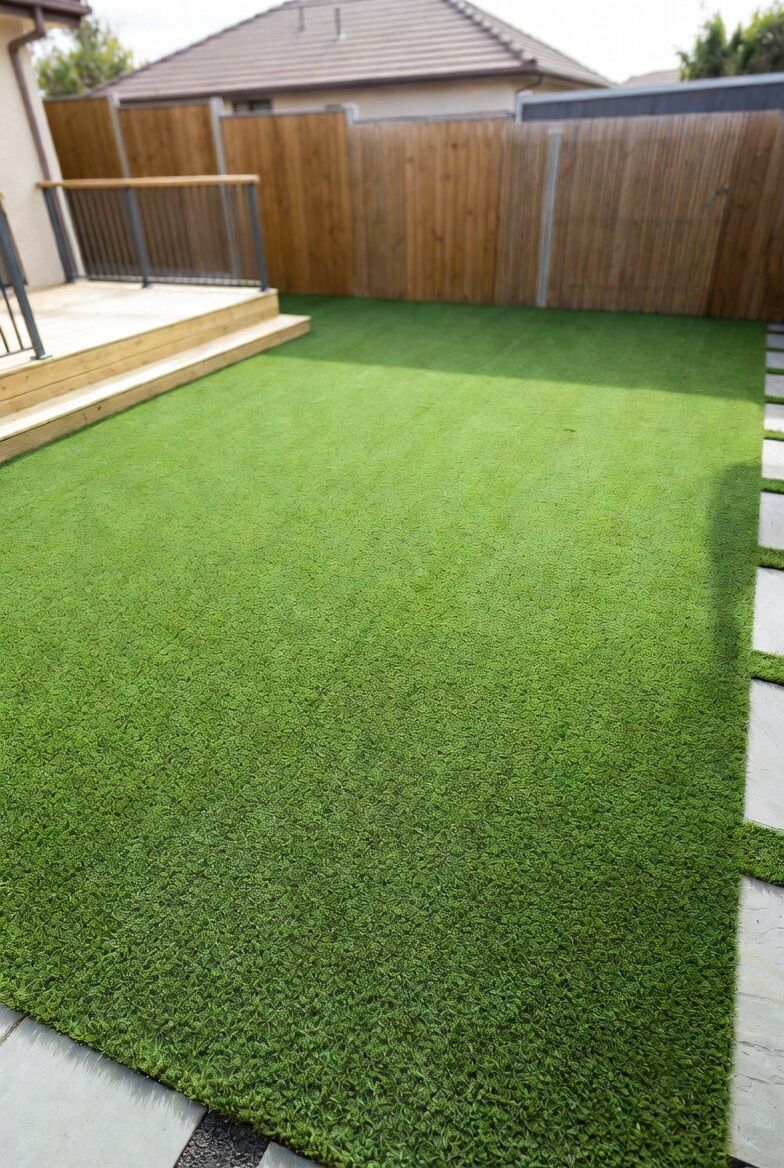
Preserve Existing Surfaces During Turf Installation
For your Candler-McAfee project, sketch the intended working area and identify all existing structures, walkways, and hardscapes to be retained. Mark boundaries clearly and note any features that must remain untouched during construction. Discuss access points with the installer to avoid unintended damage. Photograph retained features before work begins. Confirm location of utility lines and ensure markings are visible. This preparation supports a smooth installation while safeguarding what stays in place.
Your Candler-McAfee project brief
Review site plans carefully to locate permanent fixtures such as patios, retaining walls, or fencing that must remain. Confirm dimensions and elevations where turf meets existing surfaces. Take dated, high-resolution photos of these areas for records. Clarify how edges will be finished near non-turf elements. Verify gate placement aligns with new layout and doesn’t interfere with retained features. Ensure the installer understands which zones require extra care near boundaries. This helps prevent accidental removal or displacement during turf delivery and installation.
A practical check before design
Mark retained features with temporary flags or paint before installation begins, photograph all protected zones from multiple angles, install edge restraints or padding along contact lines to absorb shifting, coordinate with crew to avoid heavy equipment near sensitive surfaces, verify gate clearances and swing paths do not conflict with turf edges, and conduct a walkthrough with the installer to confirm no unintended contact will occur during preparation or laying processes.
Planning for Artificial Turf and Outdoor Construction in Candler-McAfee
For your Candler-McAfee project, begin by sketching the intended working area and noting all existing surfaces you wish to keep, such as patios, walkways, or retaining walls. When photographing the site, capture wide-angle shots from multiple angles, including close-ups of surfaces near where the pergola will sit—pay special attention to how light hits the area at different times of day. Document gate placements and access points to ensure future movement of materials or equipment won’t be impeded. Consider how the pergola’s support posts might interact with existing structures or property lines. Ask yourself how shade from the pergola will shift across the space over time and where you’ll likely spend time under it. Compare material options for the pergola frame and roofing, considering how each complements nearby hardscapes. Prepare questions about load distribution, attachment methods to existing structures, and how the installation will preserve the integrity of adjacent surfaces.
Choose a material with its care in mind
The existing service page discusses wood, vinyl, aluminum and fiberglass among the available approaches. Compare appearance, upkeep and the intended structure rather than selecting from a color alone. Ask how the chosen finish is cleaned and maintained. Plant growth, lighting and other additions should be part of the discussion if desired, but should not be presumed included. The written scope should identify the structure and covering approach clearly so the expected shade is not left to interpretation.
Keep the water route visible
Georgia clay and drainage are recurring topics in LawnLogic's service guides. A new surface does not remove the need to understand the ground beneath it. Ask how water moves across the proposed area and where it leaves. Include nearby downspouts and changes in level in your photographs. A drainage recommendation should follow the site assessment rather than an assumption that all properties in a city behave alike.
Be specific about the shade you want
A pergola with open slats creates a different experience from a solid or retractable cover. LawnLogic's shade-structure page makes that distinction and discusses several material choices. Decide whether you want filtered light, a stronger sense of an outdoor room or a more covered seating area. Observe the space at the time you actually use it, rather than assuming a structure that looks shaded in one photograph will meet every afternoon need.
Protect future options
Tell the team about later plans even if the first quote covers only one improvement. A future shade structure, cooking area or new path may affect preparation today. Ask which decisions are permanent and which can wait. Phasing works best with a defined endpoint for each stage, not an unfinished edge that is assumed to fit whatever comes next. Keep future ideas labeled as options rather than implied inclusions.
Place the supports on the plan
Posts and structural connections take space and influence circulation. Show furniture, doors, steps and existing paving while the design is still flexible. The support arrangement needs to work with the site and any adjoining surfaces, not be added as an afterthought. Discuss permit and structural requirements for the actual location and design; this page does not substitute a general rule for local review. If a patio is also planned, coordinate the support decisions before its finished surface is installed.
Related decisions in Candler-McAfee
Use these guides to explore the interfaces around the main project. Related work is not automatically included in a quote.
Clear answers before you start
Questions worth asking
Does every pergola provide full rain cover?
No. An open-slatted pergola is different from a solid covered structure. Explain the light and weather protection you want, then confirm the proposed roof or covering type in the design rather than relying on the word pergola alone.
How should adjacent surfaces be shielded during artificial turf installation?
Begin by physically isolating retained features using temporary barriers like edge restraints or protective boards placed flush against the installation zone. Secure these barriers to prevent movement during prep work. Document the interface points with photos before any substrate work begins. Confirm with the installer how edging will be handled near each protected surface to avoid vibration damage or material overlap. Ensure access routes avoid pressure points on existing installations. Final cleanup should include a joint inspection of all retained elements to verify integrity.
What should the pergolas proposal explain?
Ask for the working area, preparation, selected materials and the transitions to existing features. For this service, pay particular attention to shade expectations and support locations. Confirm exclusions and any related work before comparing a final price.
How does Candler-McAfee's location affect the design?
Candler-McAfee is in DeKalb County. Approximately 28.8 miles southeast of Kennesaw in a straight line. Those geographic facts do not describe the ground at your address. Site access, water movement and intended use still need assessment before a design is chosen.
Let’s make a practical plan
Tell us what you want your space to do.
Bring your questions, a few photographs and a rough outline. Start with an estimate, or contact Lawn Logic Turf to discuss the next step.
Prefer to talk? (706) 701-8873
Service basis: Pergolas guide. Coordinates: U.S. Census 2020 Gazetteer. Distances use city internal points, not road routes. Turf product reference: SGW; see LawnLogic’s published product information. The 15-Year Platinum Promise is a turf warranty; confirm applicable terms for your product and scope, not unrelated construction.