Read the levels before the finishes
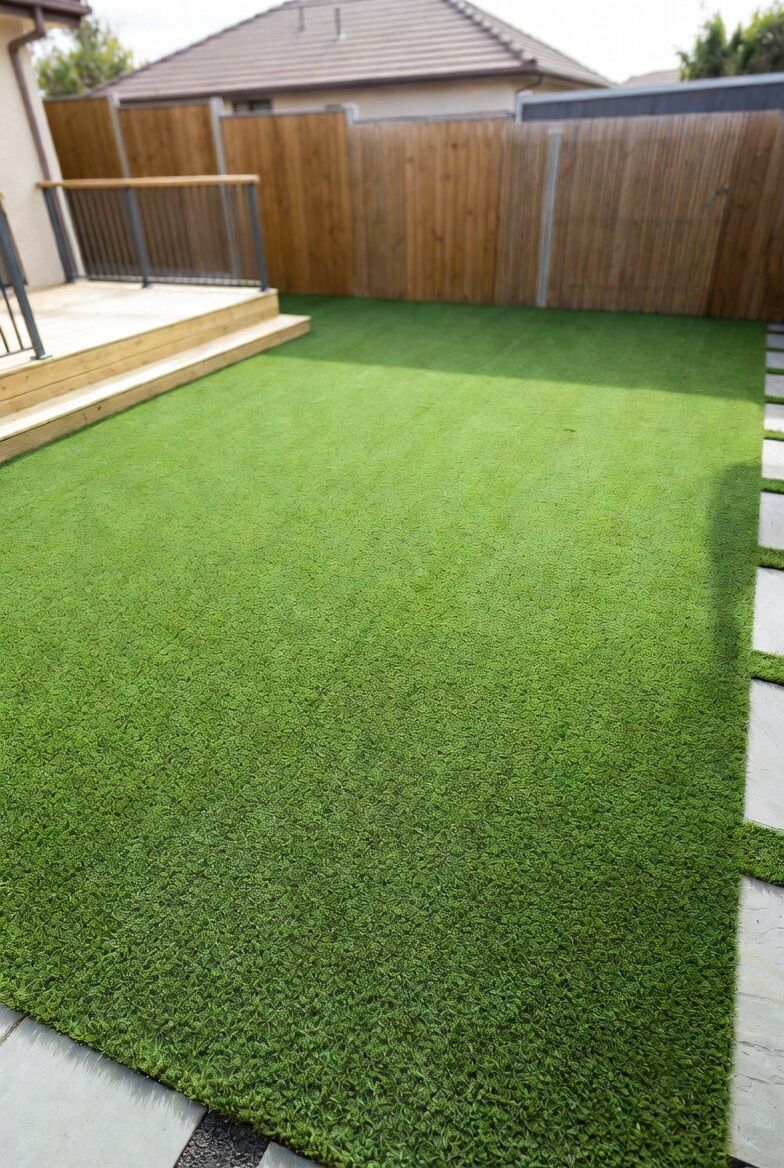
Begin a Canton outdoor plan with a simple record of high and low points. This is not a claim that every property slopes; it is a way to avoid overlooking grade when comparing attractive surfaces. A level seating area, a green lawn and a path may need different preparation. Understanding how those pieces meet makes it easier to decide whether a surface project also needs drainage or retaining-wall review.
Your Canton project brief
Take photographs after rainfall if water movement is part of your concern. Mark steps, exposed roots, settled edges and the places where runoff leaves the proposed area. Avoid deciding on a drain outlet yourself or assuming fill can simply be added against a boundary. Bring the observations to the consultation so the solution can follow the site's actual levels and constraints.
A practical check before design
Look at the proposed finish from both above and below any change in level. A surface that appears straightforward from a doorway can have a more complicated edge at the opposite boundary. Mark those differences in the brief and ask how the proposal addresses them. The assessment should establish the response; a sketch should communicate the question rather than prescribe a wall or a particular drain.
The base and grading carry the design
Hardscaping depends on preparation beneath the visible finish. Ask how the proposed base, levels and drainage fit the site. A decorative pattern does not solve an existing low point. Review the edges and the connection to retained planting or paving so the installation has a defined boundary. If a later kitchen, wall or pergola is contemplated, mention it before the patio is built; future supports or utilities can affect decisions that are inconvenient to revisit.
Record the existing conditions
A photograph shows appearance; a useful brief also records how the area behaves. Note the paths people repeat, the edges that collect debris and the places that stay wet. Measurements can be approximate at the first conversation. Keep observations separate from conclusions: describing a puddle is more helpful than deciding in advance that a particular product must be installed. The site visit can then test the idea against the actual property.
Compare materials through the care routine
Pavers vary in texture, appearance and cleaning needs. Bring examples of the look you prefer, but ask about the selected product rather than assuming every finish behaves the same way. The existing service page discusses sweeping, washing and optional sealing. Confirm what care is appropriate for the actual material. A good proposal distinguishes the paved area, removal and preparation, edge work and any separate drainage or structural work, making different layouts easier to compare fairly.
Protect future options
Tell the team about later plans even if the first quote covers only one improvement. A future shade structure, cooking area or new path may affect preparation today. Ask which decisions are permanent and which can wait. Phasing works best with a defined endpoint for each stage, not an unfinished edge that is assumed to fit whatever comes next. Keep future ideas labeled as options rather than implied inclusions.
Draw the furniture before the border
A patio is useful when people can sit, move chairs and walk through it comfortably. Start with the intended activity and a realistic furniture layout, then choose the outline. LawnLogic's paver guide describes natural stone, concrete, brick and porcelain options. Their appearance is only one part of the decision. Discuss the way the surface will meet doorways, steps and the lawn, especially where a narrow connection might interrupt the route through the outdoor space.
Related decisions in Canton
Use these guides to explore the interfaces around the main project. Related work is not automatically included in a quote.
Clear answers before you start
Questions worth asking
Can new paving work with an existing outdoor area?
Existing patios, beds and other features can inform the design. Their condition and levels need assessment before a connection is promised. Show the team what you want to retain and ask the proposal to identify each old-to-new transition.
Should I choose a finish before a Canton site assessment?
You can bring examples of finishes you like, but keep the selection provisional. Preparation, levels and water management may influence the layout. Comparing the underlying scope first helps distinguish essential work from optional decorative choices.
What should the hardscaping proposal explain?
Ask for the working area, preparation, selected materials and the transitions to existing features. For this service, pay particular attention to furniture clearances and the paved route. Confirm exclusions and any related work before comparing a final price.
How does Canton's location affect the design?
Canton is in Cherokee County. Approximately 16.8 miles northeast of Kennesaw in a straight line. Those geographic facts do not describe the ground at your address. Site access, water movement and intended use still need assessment before a design is chosen.
Let’s make a practical plan
Tell us what you want your space to do.
Bring your questions, a few photographs and a rough outline. Start with an estimate, or contact Lawn Logic Turf to discuss the next step.
Prefer to talk? (706) 701-8873
Service basis: Hardscaping guide. Local reference: Canton site guide. Coordinates: U.S. Census 2020 Gazetteer. Distances use city internal points, not road routes. Turf product reference: SGW; see LawnLogic’s published product information. The 15-Year Platinum Promise is a turf warranty; confirm applicable terms for your product and scope, not unrelated construction.