Smart turf and hardscape planning for Doraville
For your Doraville project, sketch the intended working area and note existing features like trees, slopes, or structures. Measure dimensions carefully and take clear photos from multiple angles to capture how light falls and how space feels. Consider how people move through the area and where seating, play, or storage might fit. Think about proximity to doors, walkways, and driveways. This visual and spatial prep helps the team understand your goals and constraints before any site visit.
Your Doraville project brief
Begin by identifying the primary function of the space—relaxation, play, or utility—and how its layout supports that. Note where access points such as gates, steps, or pathways intersect the area. Observe existing surfaces and how they connect to adjacent zones. Gather measurements for length, width, and any irregular shapes. Snap photos of current conditions and label them if helpful. This preparation gives the team a clear starting point for discussing material options and design possibilities.
A practical check before design
During your preparation, record precise dimensions of the intended turf and hardscape zones, including any curves or angles, and note how these spaces relate to doors, walkways, and adjacent surfaces. Take well-lit photos that show both the broader layout and details like existing barriers or entry points. Consider how people move through the area and where seating or storage might fit comfortably. Observe how light falls at different times and where shadows appear, as this can influence material choice. Bring notes on your priorities, such as durability, appearance, or ease of access, to guide the conversation.
Putting Greens Planning for Doraville
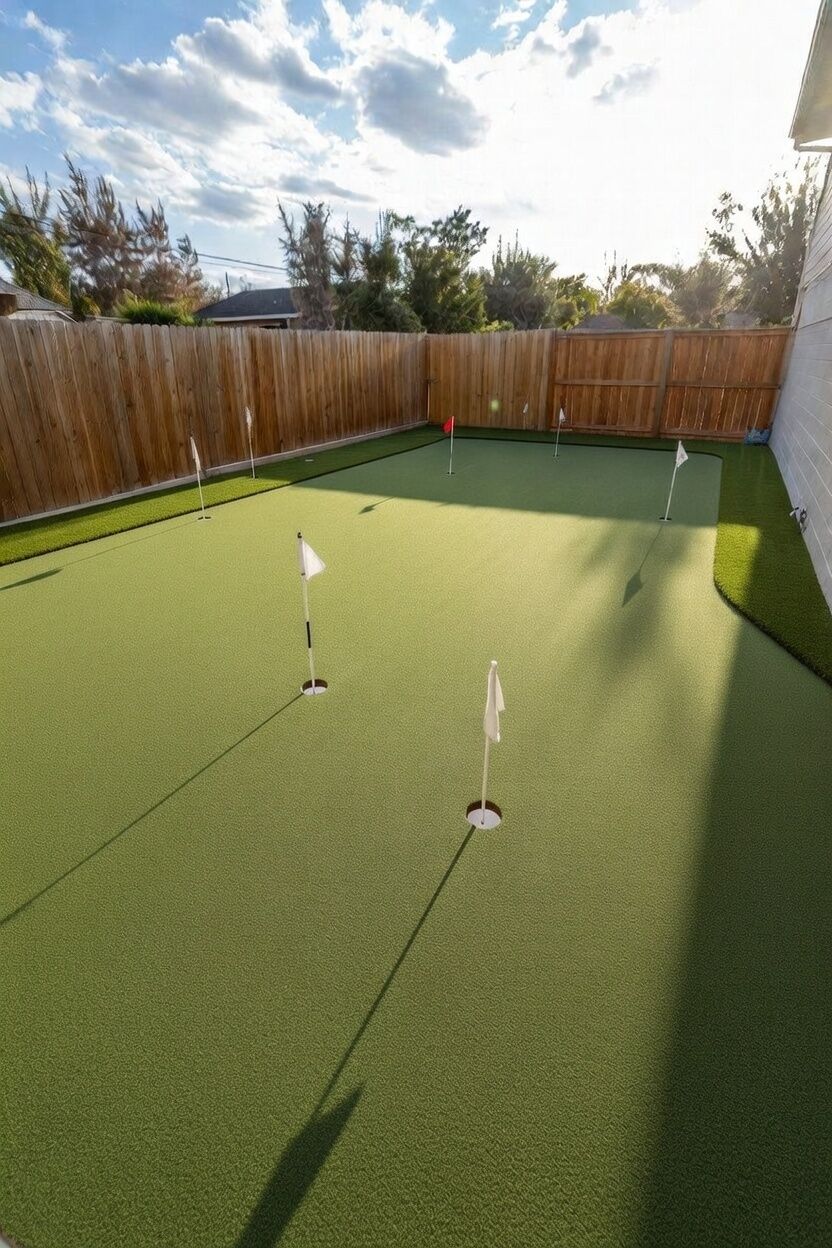
For your Doraville project, sketch the intended working area and note where the green will sit in relation to surrounding surfaces like patios, walkways, or retaining walls. Consider how players approach the green—include room for stance, follow-through, and any obstacles like gates or low-hanging fixtures. Take clear, well-lit photographs from multiple angles to capture existing features and sight lines. Ask yourself how the putting surface will connect to adjacent hardscapes: does the transition feel natural, or could it create tripping or alignment issues? Compare material options based on realistic foot traffic patterns and the desired ball roll. Think about the space needed behind and beside the green for practice lines and recovery zones. Determine if there’s enough unobstructed distance between the green and nearby structures to allow for accurate short-game simulation. Discuss with the team how sight lines and surrounding colors might influence visual focus during play. Clarify whether the layout will support both casual and focused practice sessions.
Choose the practice before the shape
A putting green should support the strokes you want to practice, rather than just fill a spare outline in the yard. Discuss whether the priority is short straight putts, changing breaks or a combination of lines. The putting-green guide describes custom contours, cup positions and fringe choices. Mark where a player stands and how others move past the green. A usable practice area needs more thought than placing a cup in the center of a patch of turf.
Think about a hot afternoon
Georgia heat is already discussed throughout the site's turf guidance. Consider when you use the outdoor area and where shade is available. Manufactured surfaces are not a promise of cool barefoot conditions in direct sun. Discuss product choice, shade and everyday supervision where children or animals use the space. Visiting the proposed area at different times can give the design conversation better information than a single morning photograph.
Ball roll starts below the fibers
Contours must be formed in the prepared foundation; the surface follows what is beneath it. Ask how the design balances interest with playable lines and how water leaves the green. Edges should connect cleanly with the surrounding lawn, paving or planting. A long, awkward transition can interrupt both play and maintenance. Review the proposed shape from more than one position in the yard so the practice surface fits the broader outdoor layout rather than becoming an isolated feature.
Use samples as a decision tool
Look at proposed materials beside the surfaces you intend to keep. Color, texture and transitions can read differently outside than on a screen. Samples are useful for narrowing preferences, but they do not demonstrate the base preparation or drainage beneath a finished installation. Ask both questions: how will this look in the setting, and what construction is needed for it to function as intended?
Keep performance expectations specific
A putting product is not the same surface as a general residential lawn. Talk about the intended feel and speed using samples and the team's guidance, without assuming a backyard installation duplicates a particular golf course. Leaves and debris affect play and need removal; care advice should match the selected surface. If chipping or other practice is proposed, discuss the available space and surrounding property first. Do not assume every green layout is suitable for every golf activity.
Related decisions in Doraville
Use these guides to explore the interfaces around the main project. Related work is not automatically included in a quote.
Clear answers before you start
Questions worth asking
Can a putting green share the yard with other activities?
It can be considered as part of a broader layout, but the routes around it matter. Show seating, pet access and any proposed practice position during design. The green and its fringe should have a clear relationship with neighboring surfaces.
What key features should you photograph and measure before the consultation?
Before the consultation, photograph the full area from several vantage points, especially where changes are planned and where existing elements like fences, steps, or doors open. Measure perimeter lengths, gate openings, and distances to nearby structures. Include close-ups of surface conditions and transitions between materials. Note where slopes begin or change direction, and where retaining or grading may be relevant. This documentation helps the team visualize the space and ask focused questions during the session.
What should the putting greens proposal explain?
Ask for the working area, preparation, selected materials and the transitions to existing features. For this service, pay particular attention to practice lines and the space around the green. Confirm exclusions and any related work before comparing a final price.
How does Doraville's location affect the design?
Doraville is in DeKalb County. Approximately 21.5 miles east of Kennesaw in a straight line. Those geographic facts do not describe the ground at your address. Site access, water movement and intended use still need assessment before a design is chosen.
Let’s make a practical plan
Tell us what you want your space to do.
Bring your questions, a few photographs and a rough outline. Start with an estimate, or contact Lawn Logic Turf to discuss the next step.
Prefer to talk? (706) 701-8873
Service basis: Putting Greens guide. Coordinates: U.S. Census 2020 Gazetteer. Distances use city internal points, not road routes. Turf product reference: SGW; see LawnLogic’s published product information. The 15-Year Platinum Promise is a turf warranty; confirm applicable terms for your product and scope, not unrelated construction.