Consultation lenses / Georgia
Turf & outdoor services in Fairburn, GA
Balance function and style
Plan a consultation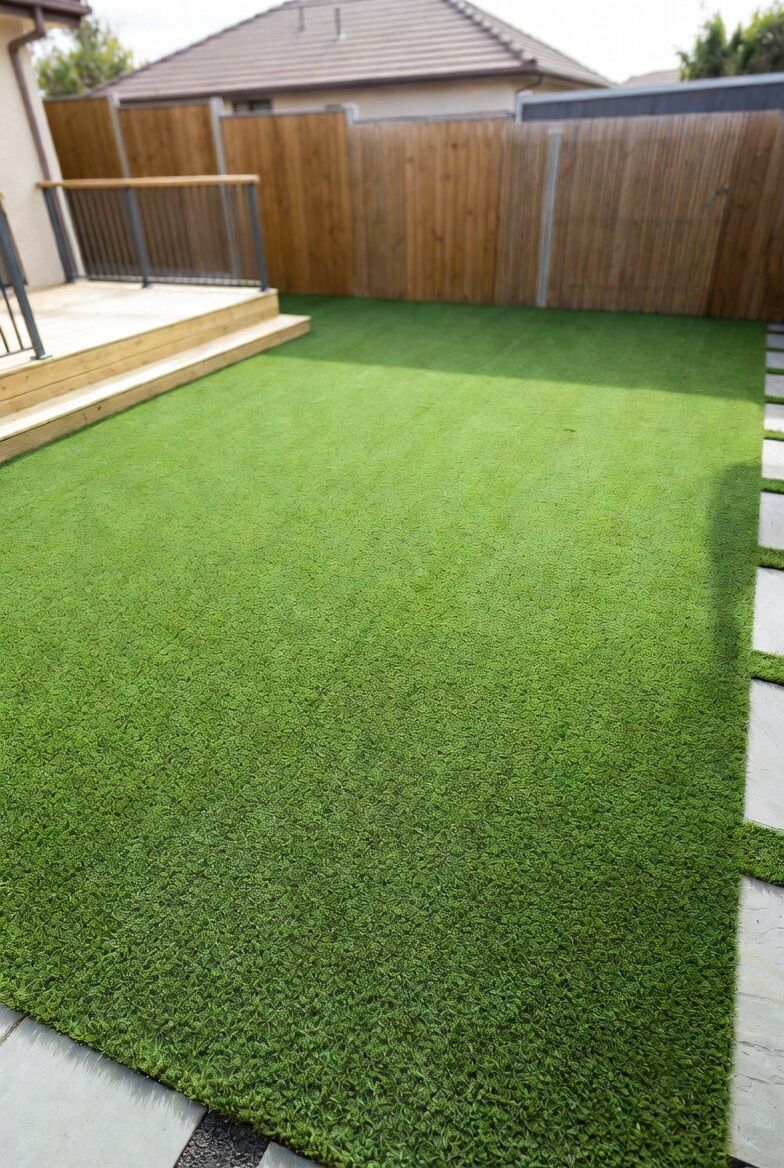
Reimagining outdoor spaces
When you consider shaping an outdoor space in Fairburn, Fulton County, the conversation often begins with the type of surface that will meet everyday use and aesthetic goals. A thoughtful dialogue can reveal how artificial turf, hard surfaces, and built structures interact with family routines, pets, and occasional gatherings. By weighing durability, maintenance habits, and visual preferences, you can outline a plan that feels both practical and inviting. This approach helps you move from vague ideas to a clear set of actions that respect the property’s character while allowing flexibility for future tweaks.
Shape a useful brief
This consultation framework guides owners through a series of focused discussions that highlight the benefits and compromises of each outdoor service. Each topic is presented as a set of optional questions that encourage owners to weigh durability, maintenance, aesthetic fit, and budget comfort. The goal is to surface priorities early, so later design steps feel purposeful and aligned with daily routines. The approach remains flexible, allowing adjustments as ideas mature and new considerations emerge.
Try this planning check
List your primary activities, note any special requirements for pets or children, sketch a rough layout of existing structures, identify preferred textures and colors, decide on a maintenance comfort level, outline any budget caps, and gather any community guidelines that might influence placement.
Explore services by purpose
Residential Turf
When evaluating residential turf, start by visualizing the foot traffic patterns around play zones and gathering spots. Ask whether a smoother feel underfoot or a firmer surface is preferred for casual games. Consider the edge transitions to decks or patios and whether a subtle color shift is desired. Think about how the turf will interact with existing hardscape and whether a seamless border or a defined edge works best. Explore options for backing layers that affect feel and longevity, and ask about the ease of cleaning spills or pet waste. Finally, discuss any future remodeling plans that might require removal or re‑installation.
Pet Turf
Consider how the artificial surface will accommodate pets of different sizes and activity levels. Start by gathering sample panels that show variations in pile height, color, and edge detailing, and place them on the existing ground to see how they feel underfoot. Ask yourself how often the area will be used for play versus rest, and whether a separate drainage zone is needed nearby. Sketch potential zones for feeding, sleeping, and high‑traffic routes, and note any obstacles such as steps or ramps. Compare the look of darker versus lighter shades in the lighting conditions you expect. Document questions about waste collection methods, cleaning supplies you prefer, and any local regulations that might affect installation depth. This exercise helps separate essential requirements from optional enhancements.
Putting Greens
Designing a putting green invites you to picture the length and slope of each hole you want to practice on. Ask if a gentle roll or a slightly faster surface feels more enjoyable for daily play. Consider the surrounding landscape and whether you want the green to blend with existing stone or stand out as a focal point. Think about the edging material that will keep the synthetic surface in place and whether a low‑profile border suits your aesthetic. Discuss the possibility of adding removable cups for practice and how easy it is to replace them when needed, as well as any storage considerations for tools.
Sport Courts
Start by identifying the primary sport or activity, whether it is basketball, volleyball, or a multi‑use game area. Compare surface thicknesses that affect ball bounce and player comfort, and ask how each option feels under shoes versus barefoot play. Consider the dimensions that will fit within the existing yard while leaving room for spectator seating or shade structures. Evaluate perimeter padding or guard rails for safety and how they might blend with the surrounding landscape. Discuss the possibility of adding lighting fixtures for evening use and the wiring routes that would be required. Ask about the installation sequence, especially how the base preparation might impact nearby planting beds or driveways. Think about future adaptability if you later want to repurpose the space for different games.
Commercial Turf
Map out the areas where artificial surface will meet regular foot traffic, vehicle movement, or equipment use. Gather a range of sample sheets that illustrate different backing systems and surface textures, and lay them out on the floor plan to visualize transitions between zones. Ask what peak usage times look like and whether heavy loads will be concentrated in specific spots. Sketch possible layouts that include entryways, service paths, and gathering spaces, noting how each connects to existing hard surfaces. Compare the visual impact of neutral tones versus more vivid colors under varying light. List questions about 15-Year Platinum Promise turf warranty terms, cleaning routines you are comfortable with, and any coordination needed with other contractors. This approach clarifies which features are critical and which are enhancements you might add later.
Hardscaping
Begin by gathering a few simple sketches that show the intended shape of pathways, patios, or steps. Bring material samples such as stone tiles, concrete pavers, or recycled aggregates, and compare texture, color, and weight against the surrounding environment. Ask yourself how the layout will guide movement and where joints might align with existing features. Consider optional questions about how much surface area will be walked on daily and whether lighting fixtures will be integrated at the edges. Document any slope changes that could affect how water moves across the hard surface, and note where planting borders might be placed. By arranging the samples side by side, you can visualize how patterns repeat and decide if a mixed palette or a single tone best supports the overall design concept.
Retaining Walls
Start with a rough drawing that indicates where a wall could hold back earth or create a level terrace. Collect small sections of the material you are considering—concrete blocks, natural stone, or modular panels—and lay them on the ground to see how they fit together. Ask whether the wall height will be modest or more pronounced, and think about how the visual line will relate to nearby sightlines. Include a question about the need for any drainage layer behind the structure, even if the solution will be addressed later by a specialist. Note any adjacent features such as pathways or garden beds that might intersect the wall’s base. By arranging the material pieces in a mock‑up, you can compare joint patterns, evaluate how the wall’s texture interacts with light, and decide which style aligns with your overall outdoor vision.
Drainage Systems
First, identify the areas where water tends to collect after rain and the volume of runoff you expect during typical storms. Compare surface‑level channels with recessed trench solutions, and ask how each option feels underfoot and integrates with the surrounding landscape. Consider the placement of catch basins that can be accessed for cleaning without disturbing nearby turf or hardscape. Explore the possibility of using permeable pavers in walkways to aid infiltration and how they might affect the overall aesthetic. Discuss the routing of underground pipes and whether they can be concealed within existing garden beds or under a patio. Ask about maintenance access points and the tools required for routine clearing, as well as any optional filters that could reduce debris buildup.
Outdoor Kitchens
Begin by listing the cooking appliances and preparation areas you want, such as grills, sinks, or countertops, and the style of materials you prefer for surfaces, like stone, metal, or concrete. Compare countertop thicknesses that affect durability with those that influence the tactile experience when handling food. Consider the placement of utilities, including gas lines or electrical outlets, and ask how each routing option will affect the surrounding patio layout. Explore the possibility of integrating storage cabinets that blend with the design while keeping tools within easy reach. Discuss the inclusion of a pergola or shade sail above the cooking zone and how it might affect airflow and heat. Think about drainage for grease or water runoff and the type of flooring that will stay safe when wet.
Pergolas
Create a simple plan that marks the intended footprint of a pergola and the surrounding open space. Gather a few material swatches—treated lumber, metal tubing, or composite beams—and place them on the ground to compare how each finishes feel underfoot and how they respond to light. Pose a question about the desired height and how the roof grid will frame views of the sky or nearby trees. Consider whether you want integrated seating or lighting fixtures, and note where those elements could attach without interfering with the structural outline. Reflect on wind direction and ask if additional bracing might be required for larger spans. By laying out the swatches and sketching potential post locations, you can visualize the pergola’s proportion, experiment with different shading patterns, and decide which combination best fits your outdoor living aspirations.
Outdoor Living Design
First, outline the activities you envision, such as dining, lounging, or entertaining, and the zones that will support each. Compare seating arrangements that encourage conversation with those that provide solitary relaxation, and ask how each feels when used for extended periods. Consider the flow between hardscape, turf, and built structures, looking at how pathways guide movement without feeling forced. Explore the inclusion of fire features, water elements, or lighting that can change the ambience, and how each element can be positioned for optimal effect. Discuss material palettes that tie together furniture, flooring, and accents while maintaining a cohesive tactile experience. Think about seasonal adaptability, such as adding blankets or heaters, and how the layout can accommodate those accessories without clutter.
Continue planning
Fulton County; primary county from the Census place listing.
Pricing and Platinum Promise boundaries
Use $8–$17 per sq ft installed only as an artificial turf planning range, not a measured quote or a price for other construction. The 15-Year Platinum Promise turf warranty applies to turf; confirm applicable product and scope terms during consultation. Do not extend turf terms to unrelated outdoor improvements.
Questions for your consultation
What should I bring to an outdoor project consultation?
Bring your site sketch, recent photographs, and any measurements you have taken. Include a list of preferred materials or finishes, notes on existing utilities, and a clear idea of budget range. Having these items ready helps the consultant understand your vision and constraints.
Is this a description of every property in Fairburn?
No. This is a consultation lens, not a claim about local properties. Bring your own measurements, photographs and intended uses so the discussion starts with the actual space.
What belongs in the project scope?
Ask which elements are included, which are optional and what still needs assessment. Record decisions in writing before comparing proposals.
How should I use this city collection?
Use it to prepare questions and compare priorities, not as a site-specific design or a promise of project results. A consultation should establish the appropriate next steps.
Bring your questions, not a finished design
Discuss the intended use, share a sketch and separate essential work from optional ideas.
Request a free quote