Consultation lenses / Georgia
Turf & outdoor services in Palmetto, GA
Tactile decision making
Plan a consultation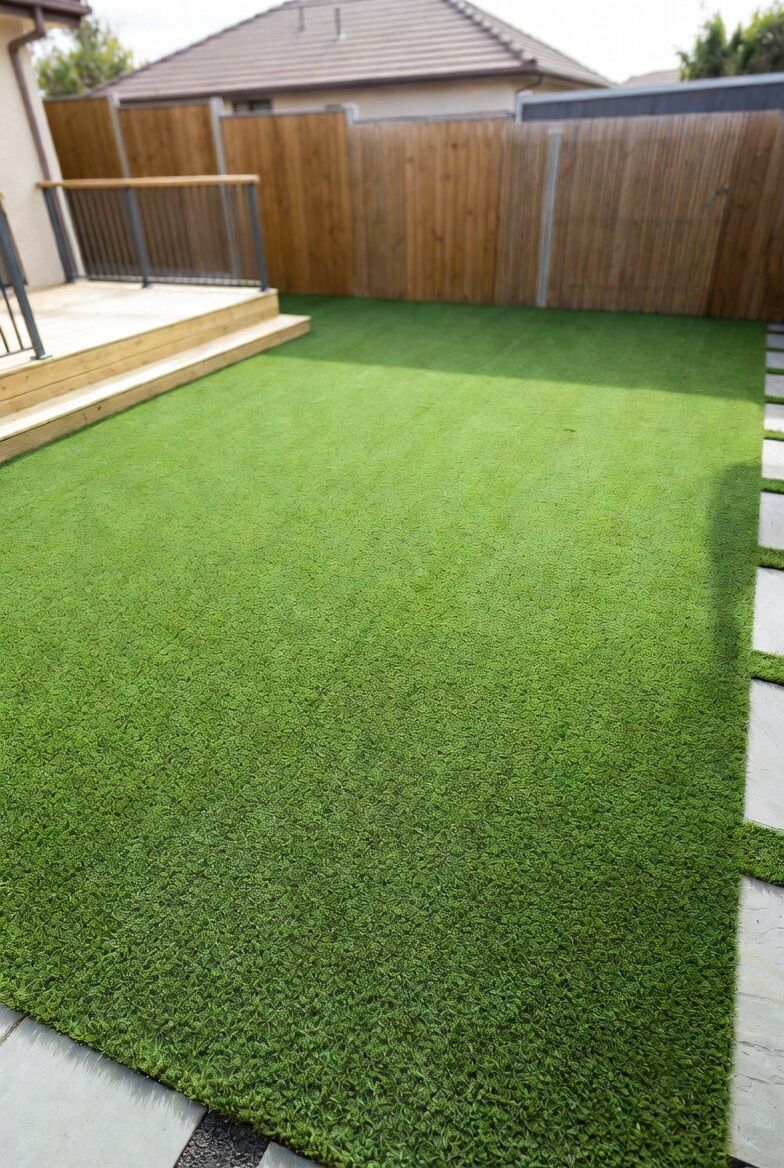
Hands‑on outdoor design
In Palmetto, Coweta County, the conversation begins with the feeling of material under your fingertips and the rhythm of movement as you explore a site. Imagine walking the perimeter while holding a sketch pad, feeling texture, testing stability, and noting how each element responds to your hands. The goal is to translate that tactile sense into a plan that respects the flow of daily life and the way you interact with outdoor spaces. By focusing on the act of moving with tools in hand, the design process becomes a living dialogue rather than a static drawing.
Shape a useful brief
The consultation emphasizes a hands‑on approach where you bring samples, measuring tools, and a clear sense of how you will move through the area. Each service invites you to compare options side by side, ask about joint treatment, and consider how accessories will integrate with the core surface. The discussion avoids assumptions about performance and instead highlights the questions that shape a functional, adaptable outdoor environment. By keeping the focus on tactile exploration, the plan evolves to match your habits and preferences while staying flexible for future adjustments.
Try this planning check
Bring a portable measuring tape, a few material samples, a sketch pad, a marker, and a small tool for testing edges; note the primary traffic flow, list any equipment you will move regularly, identify spots for seating or play, consider where water may collect, and outline any future changes you anticipate.
Explore services by purpose
Residential Turf
When you consider a residential artificial turf area, start by gathering a sample of the backing material and a small swatch of the pile to feel the texture while you walk the site. Ask yourself whether the space will host occasional foot traffic, a play zone, or a gathering spot, and bring a tape measure to sketch the intended outline on a portable board. Compare at least two color options by laying them side by side on a clean surface, noting how the shade interacts with nearby paving. Think about the edge transition – will you need a border strip, a metal trim, or a low‑profile step? Ask the installer how the seams are sealed and whether a removable joint is available for future access. Decide if you want a removable drainage layer underneath, and consider how you will move furniture or equipment across the surface during installation.
Pet Turf
Before meeting a consultant for pet turf, gather a clear set of visual and written references. Photograph the existing area from several angles, capturing any shade, elevation changes, and nearby structures. Measure the length and width of the space and note any fixed objects that will remain. On graph paper, sketch a layout that marks zones for play, rest, and toileting, and rank each activity by frequency of use. If possible, obtain small sample swatches of turf backing and surface texture, and arrange them side by side for tactile comparison. Write down questions about edge containment, pet‑specific cleaning routines, and any anticipated wear patterns. Also list any existing drainage features that might influence installation. This preparation creates a focused dialogue about scope, material options, and maintenance expectations.
Putting Greens
To prepare for a putting‑green discussion, start with visual documentation of the intended area. Take photos that show sun exposure, surrounding obstacles, and surface level variations. Record the exact dimensions and note any permanent fixtures that could affect placement. Draft a simple plan on paper that outlines the desired green shape, the number of holes, and the preferred distance between them, ranking each design element by importance to your practice routine. Collect a few sample pieces of artificial turf intended for putting surfaces, and arrange them to feel the texture and feel underfoot. List questions about edge definition, potential integration with existing pathways, and how you will manage ball retrieval. Include any observations about slope or drainage that might shape the final layout. This groundwork guides the consultant toward a tailored design scope.
Sport Courts
Consider how a sport court will fit within your yard and what activities you want to support. Think about the shape and size that will accommodate your preferred games and how you might use temporary markings. Ask yourself whether you need a base that works well with artificial turf and whether you want any cushioning underlay. Explore options for lighting, fencing, and storage of equipment. Bring a sketch of your space, note any slopes, and list any obstacles you anticipate. Compare sample panels of turf, padding, and border materials, and ask about the process for adjusting dimensions after installation. Consider how you will access the court and whether you need a nearby pathway or steps.
Commercial Turf
Outline the primary activities that will occur on the commercial turf, such as high‑traffic walkways, event staging, or display zones, and ask how often the area will see heavy use. Determine whether you need a thicker backing for added durability or a lighter profile that eases installation. Question the preferred edge treatment—continuous strip, removable border, or recessed curb—to match surrounding hardscape. Explore the possibility of integrating concealed utility channels for power or data without disrupting the surface. Assess whether you want a modular tile system that can be reconfigured for different layouts or a monolithic sheet that reduces seams. Review options for drainage beneath the turf, such as perforated layers or a graded sub‑base, and decide how you will monitor water movement. Finally, consider the tools you will keep on hand for routine cleaning and minor repairs.
Hardscaping
Plan hardscaping by visualizing the flow between paved areas and surrounding turf. Decide if you prefer stone, pavers, or concrete and how each material feels underfoot. Think about how you will transition from a patio to a walkway and whether you need stepping stones or a continuous surface. Ask about the thickness of the base and how it interacts with the artificial turf underneath. Bring photos of existing elements, measurements of the area, and a rough layout sketch. Compare sample pieces of each material, noting texture and color, and ask about the ability to rearrange pieces later. Consider drainage pathways and whether you want subtle grading to direct water away from built features.
Retaining Walls
When you think about a retaining wall in Palmetto, Coweta County, start by asking what visual character you want the structure to convey. Do you picture smooth concrete panels, stacked stone that echoes natural forms, or timber that suggests a rustic tone? Consider how the wall will interact with surrounding pathways and whether you need a step or bench integrated into the face. Ask how much access you will have for moving materials and for future inspection. Think about how the back of the wall will be finished to manage moisture without relying on hidden systems. Explore whether you prefer a modular block system that can be rearranged later or a poured solution that follows a fixed shape. Also reflect on how the wall will fit with lighting and planting choices you may add later.
Drainage Systems
Planning a drainage approach for a yard in Palmetto, Coweta County begins with simple questions about where water tends to gather after a rain. Do you notice low spots near a patio, along a driveway, or beside a building foundation? Decide whether you prefer a visible channel that becomes a design element or a concealed pipe that disappears beneath the surface. Think about the type of cover you would feel comfortable handling, such as a gravel trench, a permeable paving grate, or a decorative stone layout. Ask how often you are willing to check for debris and whether you want removable sections for occasional cleaning. Consider if the system should connect to an existing downspout or if a new collection point is needed, and whether you would like a flexible layout that can be adjusted later.
Outdoor Kitchens
Think about how an outdoor cooking area will fit into the flow of movement you enjoy. Sketch several layout options, placing the cooking zone near existing pathways and seating zones while leaving room for circulation. Ask yourself whether you prefer a linear countertop or an L‑shaped configuration, and consider where utilities might need to be accessed. Bring sample countertop materials, tile swatches, or finish boards to compare textures and colors side by side. Note any nearby structures that could influence wind direction or shade, and imagine how lighting will affect evening use. Document questions about waste handling, storage needs, and how appliances will be integrated, keeping the focus on the experience rather than technical specifications.
Pergolas
Think about the shape and size of the pergola you want, whether a simple rectangular frame or a more intricate lattice, and how it will sit over the turf area. Ask if you prefer a freestanding structure, a wall‑attached design, or a combination that can be moved seasonally. Consider the type of roofing material—fabric, polycarbonate panels, or open slats—and how each choice influences light filtration and airflow. Question the need for integrated lighting, such as string lights or recessed fixtures, and whether you want power conduits hidden within the posts. Review options for adding climbing plants or vertical gardens, and decide how you will support them without damaging the turf surface. Finally, decide what maintenance tools, like a ladder and cleaning brush, you will keep nearby for periodic upkeep.
Outdoor Living Design
Approach outdoor living design by mapping out zones for seating, dining, and relaxation that complement the artificial turf. Decide if you want a defined lounge area, a dining table, or a flexible space that can shift with activities. Think about how shade structures, lighting, and decorative elements will interact with the turf and any hardscaped features. Ask about the placement of power outlets, the routing of cables, and the integration of any water features without disturbing the surface. Bring a site sketch, measurements of the intended zones, and photos of any existing elements you plan to keep. Compare sample furniture pieces, shade fabrics, and lighting fixtures, noting how each might be arranged. Consider pathways that connect each zone and whether you want subtle edging to delineate spaces.
Continue planning
Coweta County; primary county from the Census place listing.
Pricing and Platinum Promise boundaries
Use $8–$17 per sq ft installed only as an artificial turf planning range, not a measured quote or a price for other construction. The 15-Year Platinum Promise turf warranty applies to turf; confirm applicable product and scope terms during consultation. Do not extend turf terms to unrelated outdoor improvements.
Questions for your consultation
What should I bring to an outdoor project consultation?
Bring your hand‑drawn sketch of the area, clear photographs from multiple angles, and any measurements you have taken. Include notes about existing features, utilities, and desired functions. Having these items lets the consultant understand your vision and constraints, making the discussion more productive during the initial meeting to ensure clarity.
Is this a description of every property in Palmetto?
No. This is a consultation lens, not a claim about local properties. Bring your own measurements, photographs and intended uses so the discussion starts with the actual space.
What belongs in the project scope?
Ask which elements are included, which are optional and what still needs assessment. Record decisions in writing before comparing proposals.
How should I use this city collection?
Use it to prepare questions and compare priorities, not as a site-specific design or a promise of project results. A consultation should establish the appropriate next steps.
Bring your questions, not a finished design
Discuss the intended use, share a sketch and separate essential work from optional ideas.
Request a free quote