Consultation lenses / Georgia
Turf & outdoor services in Midtown Atlanta, GA
Visual clarity first
Plan a consultation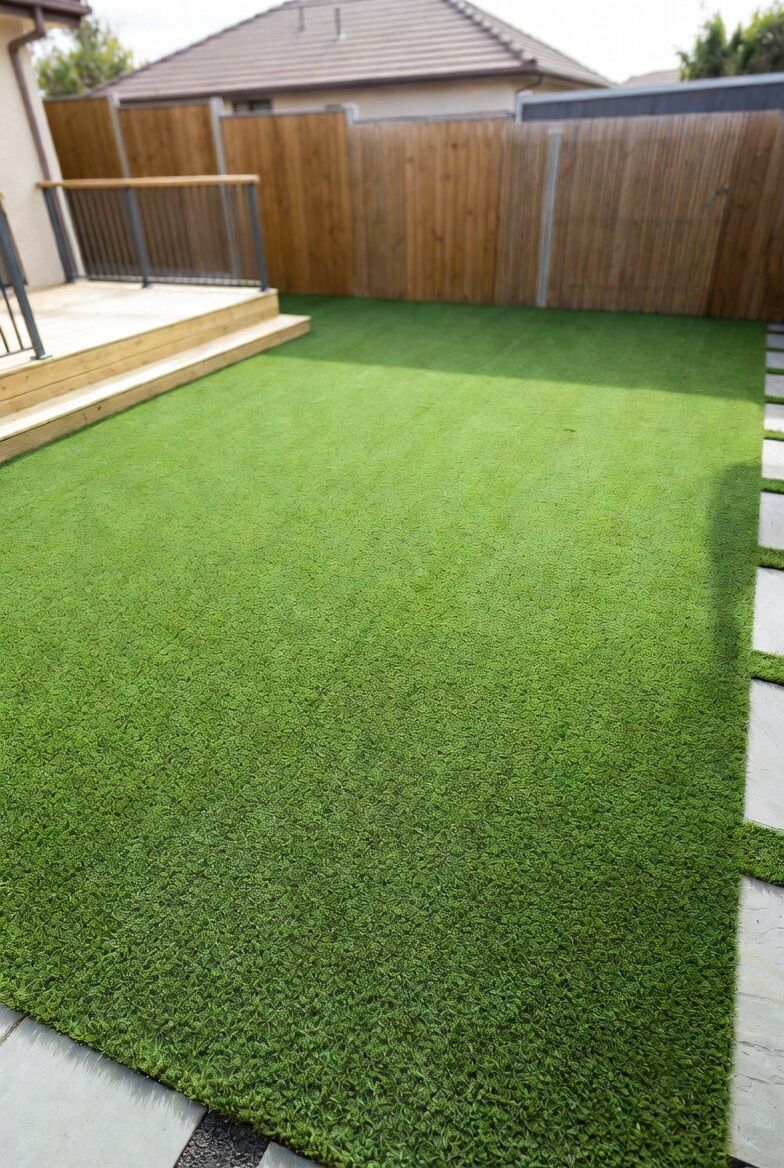
Defining edges for outdoor spaces
This consultation lens invites a property owner to explore how artificial turf and related outdoor features can define visual edges and clear boundaries. It encourages thinking about the look of each element, the way surfaces meet, and the balance between openness and enclosure. The process asks you to weigh texture against color, durability against feel, and the subtle ways each choice shapes daily experience. By framing decisions as optional questions, the guide supports a tailored plan that respects personal style while remaining flexible to future adjustments.
Shape a useful brief
The goal is to map out the visual edges that will define each zone of the project. Rather than prescribing a single style, the process highlights options for borders, step changes, and material juxtapositions. Each service is examined for its ability to create a clean line or a gradual fade, depending on the desired feel. Tradeoffs such as maintenance perception, tactile contrast, and integration with surrounding features are discussed. The outcome is a set of clear decisions that balance design intent with practical execution, ensuring every boundary contributes to a cohesive outdoor experience.
Try this planning check
Gather a clear site sketch that shows existing features and dimensions. Take photographs from multiple angles, including close‑up details of any structures or obstacles. List the activities you envision and rank them by importance. Compile any material samples, color swatches, or texture boards you like. Note any budget range you are comfortable exploring. Identify any constraints such as utility lines or access points. Prepare questions about maintenance expectations and future flexibility.
Explore services by purpose
Residential Turf
When planning residential artificial turf, consider how the perimeter will be visually framed. Options include metal strips, stone caps, or low profile curbing that create a defined line while allowing the turf to flow seamlessly. Ask whether a subtle step down from a patio or a bold vertical edge better matches the home’s character. Compare the tactile feel of smooth edging versus a textured border that invites touch. Think about the visual continuity between the turf and adjacent pavers, and whether a transition strip or a recessed groove will provide the desired edge definition. Also explore how the base material choice influences the final level and whether a hidden drainage layer will affect the perceived flatness of the surface. Finally, decide if integrating a decorative inlay pattern along the border adds a personal touch without complicating future repairs.
Pet Turf
Designing pet artificial turf begins with visual separation that still feels inviting. Consider whether a low fence, decorative edging, or a change in turf shade will signal a pet zone without harsh division. Ask how much contrast is needed between the play area and the surrounding garden, and whether a gradual fade in color or a distinct line better guides both pets and owners. Compare the durability of reinforced backing against the aesthetic of a seamless surface, and decide if a removable border panel could provide flexibility for occasional reconfiguration. Evaluate how the chosen edge treatment will interact with any nearby water features, and whether a subtle slope toward a drainage outlet will remain visually discreet. Finally, think about incorporating a decorative pattern that marks the pet space while maintaining overall design harmony.
Putting Greens
When outlining a putting green with artificial turf, the edge can become a focal point that frames the game area. Explore whether a raised border, a flush transition, or a low stone curb best accentuates the green’s shape. Ask if a contrasting color strip along the perimeter enhances visual depth or if a subtle tonal shift keeps the view clean. Compare the feel of a smooth concrete lip against a textured stone edge that provides a tactile cue for foot placement. Consider how the edge will align with surrounding pathways and whether a seamless blend or a defined break supports the flow of movement. Also think about the impact of a hidden drainage channel on the edge’s appearance, and whether a decorative inlay could add personality without affecting play. Finally, decide if the edge should be fixed or removable for seasonal adjustments or maintenance access.
Sport Courts
Planning a sport court on artificial turf invites decisions about edge definition that balance safety and visual impact. Evaluate whether a rubberized border, a wooden deck, or a metal railing offers the right mix of contrast and accessibility. Ask how much height difference is appropriate at the perimeter to signal a playing area while preserving a cohesive look with adjacent spaces. Compare the visual weight of a bold colored trim against a neutral tone that blends with the surrounding landscape. Consider the tactile experience of stepping onto the edge, and whether a textured strip or a smooth transition best meets user expectations. Also think about integrating a subtle slope for water runoff that remains visually unobtrusive. Finally, decide if modular edging panels could allow future reconfiguration of the court dimensions without disrupting the overall aesthetic.
Commercial Turf
In a commercial setting, artificial turf edges can convey professionalism and brand identity. Decide whether a sleek metal coping, a stone veneer, or a patterned concrete border aligns with the business’s visual language. Ask if a uniform perimeter line creates a clean impression or if varied edge treatments add interest along different facades. Compare the visual solidity of a thick curb against the lightness of a narrow strip that lets surrounding architecture peek through. Consider how the edge will guide foot traffic between entryways and the turf area, and whether a subtle step down or a level transition best supports accessibility. Also evaluate how lighting fixtures can highlight the edge after dark, and whether integrated signage within the border could serve dual purposes. Finally, think about the ease of swapping edge modules for seasonal branding changes without compromising overall design cohesion.
Hardscaping
Hardscaping decisions often hinge on how stone, brick, or concrete meets artificial turf at a clear line. Explore whether a raised curb, a recessed groove, or a interlocking pattern best defines the boundary. Ask if a contrasting material color emphasizes the transition or if a muted tone creates a seamless flow. Compare the visual impact of a thick retaining slab against a slim edging strip that minimizes visual bulk. Consider how the chosen edge will affect pedestrian movement, and whether a gentle slope or a stepped edge provides the right balance of safety and aesthetic. Also think about incorporating decorative aggregates within the edge to add texture without overwhelming the turf. Finally, decide if the edge should be fixed in place or designed as a removable panel for future layout changes or maintenance access.
Retaining Walls
Retaining walls paired with artificial turf present opportunities to shape visual edges that both hold back earth and frame the surface. Decide whether a capped concrete wall, a stone facing, or a timber veneer best complements the turf’s color palette. Ask if a vertical face with a small ledge creates a crisp line or if a tapered profile offers a softer transition. Compare the visual weight of a massive wall against a low‑profile barrier that subtly delineates the space. Consider how the wall’s top edge will intersect with the turf, and whether a recessed joint or an exposed seam provides the desired edge character. Also evaluate the role of integrated lighting to accentuate the wall’s line after dark. Finally, think about future adaptability, such as adding a removable panel to the wall’s base for access or reconfiguration without altering the overall visual language.
Drainage Systems
Integrating drainage with artificial turf requires edge decisions that keep water flow visible yet discreet. Explore whether a shallow trench, a perforated border, or a subtle slope away from the turf offers the clearest visual cue for runoff direction. Ask if a contrasting material for the drainage channel enhances understanding of water movement or if a matching tone keeps the design unified. Compare the impact of a visible grate at the edge against a hidden pipe that blends with the turf surface. Consider how the edge will affect foot traffic, and whether a gentle ramp or a stepped drop best accommodates both drainage efficiency and user comfort. Also think about adding decorative stone caps to the channel that provide a visual endpoint without compromising function. Finally, decide if the drainage edge should be modular for easy cleaning or a permanent fixture that integrates seamlessly with the overall layout.
Outdoor Kitchens
Outdoor kitchen layouts often rely on clear edges between cooking zones and artificial turf gathering areas. Decide whether a raised countertop edge, a low stone curb, or a decorative metal strip best delineates the cooking space from the surrounding turf. Ask if a bold color contrast highlights the functional zones or if a subtle tonal shift maintains a cohesive feel. Compare the visual solidity of a thick stone border against a slim aluminum profile that adds a modern touch. Consider how the edge will guide movement between prep stations and seating, and whether a stepped transition or a level flush surface best supports both safety and aesthetic flow. Also evaluate the possibility of integrating recessed lighting along the edge to accentuate the kitchen perimeter after dark. Finally, think about removable edge panels that allow reconfiguration of the cooking area for different events without disrupting the turf’s overall appearance.
Pergolas
Pergolas introduce vertical interest that can be framed by artificial turf edges for a balanced composition. Decide whether a low stone border, a wooden deck lip, or a metal fascia best defines the turf area beneath the pergola. Ask if a contrasting edge color highlights the sheltered space or if a matching tone creates a seamless canopy effect. Compare the visual presence of a thick curb that emphasizes the pergola’s footprint against a thin strip that subtly marks the boundary. Consider how the edge will interact with foot traffic under the structure, and whether a gentle slope or a level transition best accommodates movement and drainage. Also think about integrating decorative lattice or planters into the edge to echo the pergola’s design language. Finally, decide if the edge should be fixed or designed as modular sections that can be repositioned as the pergola’s use evolves.
Outdoor Living Design
Consider how the space will flow from indoor rooms to outdoor zones and what transitions feel natural. Ask whether you prefer distinct areas for cooking, dining, lounging, or entertainment, and how each should be visually separated. Think about the scale of furniture, shade structures, and lighting, and compare sample layouts on paper or digital tools. Reflect on material palettes that complement existing architecture and how texture and color will interact throughout the day. Explore optional features such as built‑in storage, fire features, or water elements, and decide which are essential versus nice to have. Document any accessibility needs, privacy concerns, and how seasonal changes might affect usage. Finally, list any questions about long‑term durability, repair options, and how to adjust the design as needs evolve.
Continue planning
Atlanta neighborhood; Fulton County. No coordinate or distance claim is made.
Pricing and Platinum Promise boundaries
Use $8–$17 per sq ft installed only as an artificial turf planning range, not a measured quote or a price for other construction. The 15-Year Platinum Promise turf warranty applies to turf; confirm applicable product and scope terms during consultation. Do not extend turf terms to unrelated outdoor improvements.
Questions for your consultation
What should I bring to an outdoor project consultation?
Bring your site sketch, clear photographs of the area, any existing measurements, and a list of priorities. Include notes on shading, traffic flow, and any constraints you have observed. Having these items ready lets the consultant visualize options and ask focused follow‑up questions during the meeting.
Is this a description of every property in Midtown Atlanta?
No. This is a consultation lens, not a claim about local properties. Bring your own measurements, photographs and intended uses so the discussion starts with the actual space.
What belongs in the project scope?
Ask which elements are included, which are optional and what still needs assessment. Record decisions in writing before comparing proposals.
How should I use this city collection?
Use it to prepare questions and compare priorities, not as a site-specific design or a promise of project results. A consultation should establish the appropriate next steps.
Bring your questions, not a finished design
Discuss the intended use, share a sketch and separate essential work from optional ideas.
Request a free quote