Consultation lenses / Georgia
Turf & outdoor services in Sandy Springs, GA
Movement with hands occupied
Plan a consultation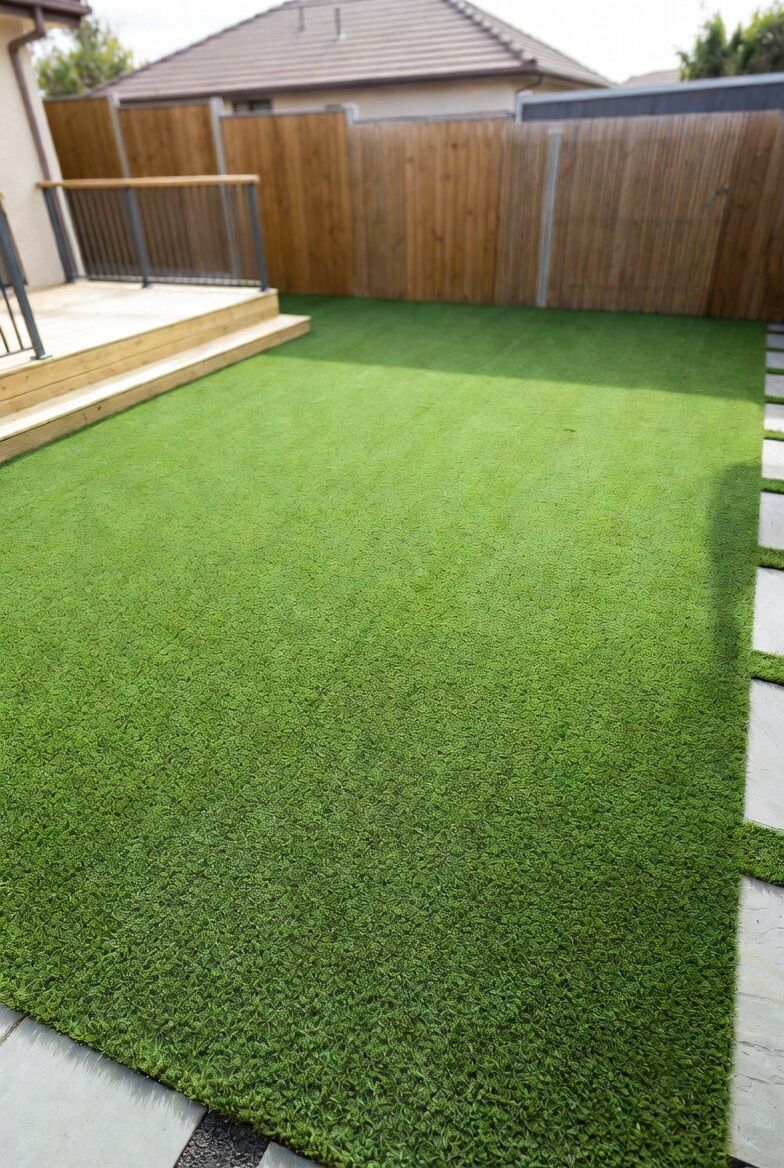
Hands‑on outdoor planning
Designing outdoor spaces in Sandy Springs, Fulton County becomes a dialogue between movement and the tasks your hands perform. By imagining each step as a chance to engage tools, seating, or simple gestures, you can reveal subtle tradeoffs between comfort, durability, and effort. This consultation frames every element as a partner in a fluid routine, encouraging you to weigh tactile experiences alongside visual appeal. The goal is to shape a yard where hands stay active and spaces respond intuitively throughout daily life and enjoyment.
Shape a useful brief
Every service we discuss invites you to consider how your hands will move, grip, and adjust within the outdoor environment. From turf that cushions steps to hardscapes that guide footfalls, each choice balances tactile feedback with functional needs. By comparing options side by side, you can identify which compromises feel acceptable and which may hinder the flow you envision. This brief outlines a framework for asking the right questions, ensuring that each element supports a seamless, hands‑occupied experience throughout seasonal changes and everyday use.
Try this planning check
– list activities and hand motions you expect daily – note surfaces you want soft or firm underfoot – identify tools you plan to use while standing or sitting – consider storage height reachable with one hand – decide on lighting controls operable by hand lever or sensor – outline shade or wind elements you will adjust manually – sketch layout showing where you will stand or sit – think about water features you might touch or control – review maintenance tasks that require hand grip
Explore services by purpose
Residential Turf
When planning artificial turf for a private yard, think about the texture you prefer underfoot while you move with a basket or a child. Ask whether you want a surface that feels softer for barefoot strolling or firmer for rolling carts. Consider the edge detailing that can guide a pathway without creating tripping hazards. Compare the feel of different pile heights while your hands carry gardening tools. Explore how the infill material might affect the sound of footsteps as you walk with a tray. Decide if you need a border that blends with adjacent paving, and ask how easy it will be to replace a section if you later change the layout. Reflect on the maintenance routine you are comfortable performing while your hands are busy, and whether a simple vacuum or brush will suit your schedule.
Pet Turf
Pet turf prompts you to weigh tactile comfort against resilience when animals move across it. Visualize a surface that cushions paws while still offering a firm response to a hand‑held scoop. Question whether a synthetic blend that feels plush under a gentle press meets your cleaning routine, or if a denser mix that holds shape better suits frequent play. Consider drainage pockets that can be cleared with a small hand tool versus a system that self‑evacuates without touch. Think about scent control options that require a handheld spray or an integrated layer that works passively. Each decision influences how your hands interact with maintenance tasks while your pets enjoy the space.
Putting Greens
When you start thinking about a personal putting green, gather visual references first. Take clear photographs of the area you are considering, showing any existing hard surfaces, slopes, or nearby obstacles. On a sheet of paper, draw a to‑scale layout that marks the dimensions you envision, noting where you might place a tee box, a short putt, and a longer challenge. Create a ranked list of activities you want to practice, such as short chip shots, lag putts, or slope drills, and indicate how each zone supports those goals. Bring samples of turf finishes or color swatches to compare texture and look side by side. Write down questions about drainage considerations, edge treatments, and how the surface will integrate with surrounding landscape features, leaving technical decisions to the professional.
Sport Courts
Sport courts encourage active hand placement while you navigate play zones. Picture a surface that feels steady under a quick step yet offers enough give when you brace with a hand‑held paddle. Question whether a rubberized layer that cushions impact aligns with a fast‑paced game, or if a firmer polymer that returns energy suits a more deliberate style. Contemplate boundary markings that can be painted with a handheld brush versus pre‑etched strips that stay fixed. Think about equipment storage that can be accessed with a simple hand lift or a lockable box that requires a key. Each option informs how your hands stay engaged as you move across the court.
Commercial Turf
Selecting artificial turf for a public area involves weighing foot traffic while staff carry trays or signage. Ask whether a surface that feels consistent under a rolling cart also supports safe movement for visitors holding umbrellas. Compare the pile height that offers a uniform step for people walking with coffee cups. Explore edge designs that guide flow without creating bottlenecks for those transporting items. Consider the backing that can handle heavy equipment while still feeling comfortable underfoot for maintenance crews. Decide if a color that blends with surrounding structures fits the aesthetic, and ask how the cleaning routine integrates with other upkeep tasks that require both hands and mobility.
Hardscaping
Hardscaping invites you to think about how your hands will guide placement of each stone or paver. Imagine a layout that allows a smooth stride while you adjust a slab with a hand trowel. Question whether a low‑profile edging that can be nudged with a small tool aligns with a fluid walk, or if a raised border that stays put supports a more defined path. Evaluate joint material that can be spread with a handheld float versus a pre‑mixed grout that sets without further touch. Contemplate lighting fixtures that can be angled with a hand wrench versus fixed fixtures that require no adjustment. Each decision influences the tactile rhythm of moving through a built outdoor scene.
Retaining Walls
Retaining walls ask you to consider how each block will feel under a hand as you assemble the structure. Visualize a pattern that lets you place a unit with a simple grip and a level without stepping away. Question whether a modular unit that clicks together with a light push aligns with a quick build, or if a larger slab that needs a lever for positioning fits a sturdier aesthetic. Evaluate backfill material that can be shoveled by hand versus a pre‑filled bag that drops in place. Reflect on drainage openings that can be cleared with a hand screwdriver versus a self‑cleaning design. Each choice determines how your hands stay involved throughout construction and later upkeep.
Drainage Systems
Designing an artificial drainage network asks how water flow will be managed while you walk with a bag of supplies. Ask whether a channel that runs beneath a path feels safe underfoot when you are also holding a hose. Compare the cover options that are sturdy enough for foot traffic while not obstructing a tray you might carry. Explore the placement of inlet points that are easy to access for cleaning without requiring you to kneel while your hands are occupied. Consider the slope that encourages water movement without creating a steep climb for a stroller. Decide if a modular grate system allows replacement without major disruption, and ask how the maintenance routine can be incorporated into a broader outdoor upkeep plan.
Outdoor Kitchens
Outdoor kitchens encourage you to map hand movement around cooking zones while you stay outdoors. Imagine a countertop height that lets you reach ingredients with a relaxed arm and a sturdy grip on a utensil. Question whether a built‑in grill that opens with a hand lever aligns with quick service, or if a portable stove that you lift with both hands suits a flexible layout. Evaluate storage cabinets that can be opened with a single hand pull versus a double‑door that requires two hands. Contemplate lighting that can be dimmed with a hand knob or a motion sensor that works without touch. Each decision influences how your hands stay active while you prepare meals outside.
Pergolas
Pergolas invite you to shape hand gestures as you adjust shade and airflow. Picture a frame that lets you slide a louver with a light hand push to open or close the canopy. Question whether a fixed lattice that requires no adjustment aligns with a simple design, or if a movable panel that you can tilt with a hand crank fits a more dynamic environment. Evaluate climbing vines that can be guided with a hand pruner versus self‑supporting trellises that need no handling. Contemplate lighting strings that can be repositioned with a hand hook or integrated fixtures that stay put. Each choice determines how your hands interact with creating and modifying outdoor comfort.
Outdoor Living Design
Outdoor living design asks you to choreograph hand motion throughout a relaxed setting. Imagine a pathway that encourages a gentle stride while you carry a tray with a balanced grip. Question whether a low‑profile lounge that lets you sink your hands into a plush cushion aligns with a calming vibe, or if a structured seating block that you can adjust with a hand lever supports a more active feel. Evaluate fire features that can be lit with a hand match versus a push‑button system that works without flame contact. Contemplate sound elements that can be tuned with a hand dial or a sensor that adapts automatically. Each aspect shapes how your hands stay engaged while you enjoy the space.
Continue planning
Fulton County; primary county from the Census place listing.
Pricing and Platinum Promise boundaries
Use $8–$17 per sq ft installed only as an artificial turf planning range, not a measured quote or a price for other construction. The 15-Year Platinum Promise turf warranty applies to turf; confirm applicable product and scope terms during consultation. Do not extend turf terms to unrelated outdoor improvements.
Questions for your consultation
What should I bring to an outdoor project consultation?
Bring your hand‑drawn sketch of the space, clear photographs from several angles, and any measurements you have taken. Include notes on existing features, utility locations, and any obstacles you see. Gather any material samples or colour swatches you are considering, and list questions you want answered during the meeting to clarify.
Is this a description of every property in Sandy Springs?
No. This is a consultation lens, not a claim about local properties. Bring your own measurements, photographs and intended uses so the discussion starts with the actual space.
What belongs in the project scope?
Ask which elements are included, which are optional and what still needs assessment. Record decisions in writing before comparing proposals.
How should I use this city collection?
Use it to prepare questions and compare priorities, not as a site-specific design or a promise of project results. A consultation should establish the appropriate next steps.
Bring your questions, not a finished design
Discuss the intended use, share a sketch and separate essential work from optional ideas.
Request a free quote