Consultation lenses / Georgia
Turf & outdoor services in Vinings, GA
Flexible hand‑centric design
Plan a consultation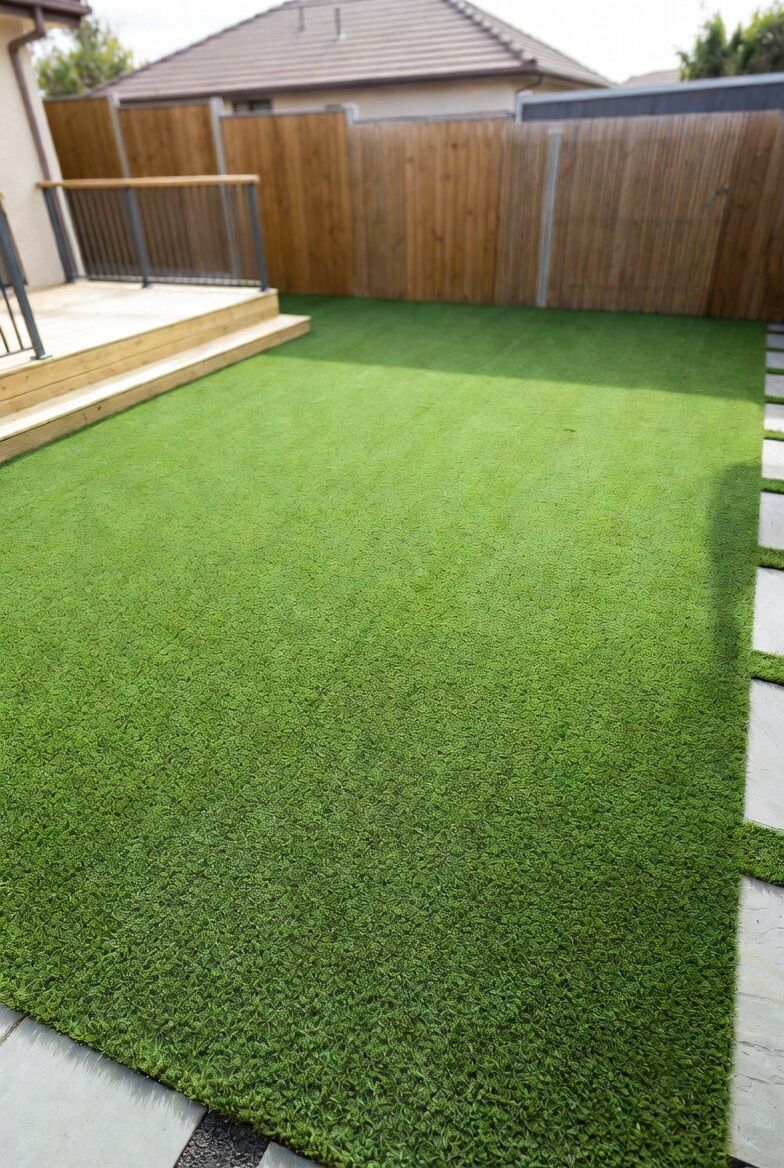
Hands‑busy outdoor planning
Our consultation centers on how you move and use your hands while outdoors, inviting you to weigh the subtle tradeoffs of each option. We explore how material choices, layout decisions, and user habits intersect, letting you feel confident about the tactile experience you will create. The dialogue stays focused on practical steps rather than abstract promises, ensuring every suggestion aligns with the ways you will actually interact with the space.
Shape a useful brief
In this session we map out the flow of activity, from the moment you step onto a surface to the tasks you perform with tools or leisure items in hand. Each service is examined through the lens of hand‑occupied movement, offering you a menu of considerations that balance comfort, durability, and ease of use. The goal is to surface the questions that matter most before any material is laid down.
Try this planning check
Bring a list of regular outdoor tasks, note any equipment you frequently use, sketch how you move through the space, identify spots where you pause with tools in hand, consider storage needs, and think about lighting or shade that supports those hand‑focused moments.
Explore services by purpose
Residential Turf
When planning a residential artificial turf area, start by gathering sample swatches and asking the installer about pile height options, backing choices, and infill materials. Consider whether you prefer a softer feel for barefoot use or a firmer surface for occasional gatherings. Ask how the sub‑base will be prepared and what edge finishing methods are available, such as trim or transition strips. Bring a list of activities you expect, from casual play to occasional gatherings, and discuss how each influences durability expectations. Inquire about 15-Year Platinum Promise turf warranty terms and what maintenance steps are recommended to keep the surface stable over time. Comparing several installation approaches can help you decide which method aligns best with your lifestyle and aesthetic preferences.
Pet Turf
When considering artificial turf for a pet area, start by envisioning the size and shape that will accommodate play and rest. Ask how different pile heights feel under paws and whether a softer texture might suit smaller animals. Compare sample rolls to gauge how the color blends with surrounding surfaces and how seams might be hidden. Consider the placement of waste stations and whether a drainage layer will be needed, noting that a professional assessment can clarify any required grading. Reflect on how the turf will interact with furniture or pathways nearby, and decide if a border or edging material would help define the area. Document any concerns about traction, cleaning routines, and how the surface might handle weather variations.
Putting Greens
Begin by gathering clear photographs of the existing area from several angles, noting any slopes, obstacles, or nearby structures. Measure the space and transfer those dimensions onto a paper layout sketch, labeling potential tee boxes, hole locations, and walking paths. Create a ranked list of intended activities such as short‑game practice, full‑course simulation, or casual foot traffic, and note any seasonal use patterns. Bring samples of artificial turf finishes to compare texture, color, and edge styles, and place them beside the sketch to visualize integration. Write down scope questions like how seam visibility will be addressed, what documentation is required for 15-Year Platinum Promise turf warranty, which utilities might need locating, and how edging will coordinate with existing hardscape. Use this compiled material to guide the consultation and keep the discussion focused on preferences and planning rather than technical specifications.
Sport Courts
Identify which sports you will host and ask how the surface thickness can be varied to suit each activity, such as a firmer layer for basketball and a slightly softer feel for volleyball. Explore line marking methods, whether painted or inlaid, and how they can be changed without disrupting the underlying turf. Consider the height of surrounding barriers and whether they can be moved to create flexible boundaries. Think about storage solutions for nets, poles, and equipment that keep the area clear when not in use. Bring a measuring wheel to outline the intended court dimensions, and discuss the possibility of a modular edge system that allows quick reconfiguration.
Commercial Turf
A commercial artificial turf project calls for evaluating traffic load, seam placement, and backing strength. Request information on stitching techniques and how seams are concealed to maintain a uniform look. Ask the contractor to describe the drainage layer design and how the sub‑base will be compacted for long‑term stability. Bring details about the intended use, such as high‑impact activities or frequent foot traffic, and discuss how those factors affect material selection. Clarify 15-Year Platinum Promise turf warranty coverage and what routine inspections are suggested to catch any early signs of wear. Comparing options for edge restraint systems and surface finish can reveal which solution best supports the functional demands of a commercial setting.
Hardscaping
Choose stone, pavers, or concrete based on the tactile experience you desire when handling tools or walking barefoot. Ask about the thickness of each unit and how it affects stability under load, especially if you will be moving heavy items across it. Consider joint filling options that provide a smooth surface versus those that allow drainage, and ask how each impacts the effort required to keep the joints clean. Think about the layout pattern that guides movement without causing awkward turns while your hands are busy. Bring a level, a chalk line, and a small sample of each material to compare texture and weight, and discuss the sequencing of base preparation, edging, and final placement.
Retaining Walls
When considering a retaining wall, start by mapping the slope and noting the height you envision for each segment. Bring a hand‑drawn sketch or a digital layout that shows where the wall will intersect existing features such as pathways, planting beds, or driveway edges. Ask yourself how the wall will transition between different elevations and whether you prefer a straight line, a series of terraces, or a curved profile. Compare sample material boards for concrete, stone, or composite panels, noting texture, color, and joint patterns. List any utilities or underground lines that might intersect the proposed footprint and mark them on your plan. Consider whether you want integrated lighting or planter boxes and note those ideas separately. Finally, identify which aspects you feel comfortable deciding yourself and which should be evaluated by a structural professional.
Drainage Systems
Planning an outdoor drainage system begins with mapping the flow of water across the site and identifying low‑lying areas. Ask the designer to explain options for surface grading, trench drains, and catch‑basin placement, and how each can be coordinated with artificial turf installations. Bring a site survey that highlights existing slopes and ask how a permeable layer might be incorporated beneath the turf to enhance infiltration. Discuss maintenance access, such as removable grates, and inquire about cleaning procedures to keep the system operating smoothly. Compare the look and feel of different grate designs and ask how they blend with surrounding hardscapes. Clarifying these details will guide you toward a drainage solution that supports both functionality and aesthetics.
Outdoor Kitchens
Plan the countertop material by feeling its surface under a cutting board and considering how it reacts to repeated chopping or mixing. Decide on appliance placement that keeps your elbows close to the work surface, and ask how the vent hood can be positioned without obstructing your view while you stir. Think about the distance between sink, grill, and prep area to minimize steps when your hands are full. Consider the routing of power and gas lines to avoid crossing high‑traffic paths, and whether a modular cabinet system can be reconfigured as your cooking style evolves. Bring a sketch of your workflow, a tape measure, and a sample of countertop slab to assess weight and texture.
Pergolas
Evaluate post spacing by visualizing how much room you need to move a ladder or garden tools beneath the structure. Ask about material finishes that feel comfortable to touch when you adjust shade panels or hang lights. Consider roof options—open lattice versus solid panels—and how each impacts the effort required to clean debris after a storm. Think about integrating lighting or planters that can be reached without stepping onto ladders. Bring a level, a measuring tape, and a small piece of the chosen material to test its weight and grip, and discuss the possibility of adjustable brackets that let you modify the angle of shade.
Outdoor Living Design
Map out seating arrangements by walking the space with a chair or stool in hand, noting how you navigate around tables while carrying drinks or books. Ask how the circulation path can be widened to accommodate a tray or a gardening tote without bumping into obstacles. Consider the placement of shade structures that can be adjusted without climbing, and whether built‑in lighting switches are reachable from a seated position. Think about accessories like fire pits or water features that require occasional cleaning with a brush, and how their location influences the distance you must walk with tools. Bring a notepad, a measuring tape, and a portable lamp to simulate evening use, and discuss the option of modular furniture that can be re‑arranged as needs change.
Continue planning
Cobb County; primary county from the Census place listing.
Pricing and Platinum Promise boundaries
Use $8–$17 per sq ft installed only as an artificial turf planning range, not a measured quote or a price for other construction. The 15-Year Platinum Promise turf warranty applies to turf; confirm applicable product and scope terms during consultation. Do not extend turf terms to unrelated outdoor improvements.
Questions for your consultation
What should I bring to an outdoor project consultation?
Bring your project sketch, clear photographs of the site, any measurements or dimensions you have taken, and a list of your priorities. Include notes on existing conditions, utilities, and any constraints you have identified. Having these items ready will help the consultant understand your vision and give focused guidance.
Is this a description of every property in Vinings?
No. This is a consultation lens, not a claim about local properties. Bring your own measurements, photographs and intended uses so the discussion starts with the actual space.
What belongs in the project scope?
Ask which elements are included, which are optional and what still needs assessment. Record decisions in writing before comparing proposals.
How should I use this city collection?
Use it to prepare questions and compare priorities, not as a site-specific design or a promise of project results. A consultation should establish the appropriate next steps.
Bring your questions, not a finished design
Discuss the intended use, share a sketch and separate essential work from optional ideas.
Request a free quote