Cleaning Preparation for Turf and Construction Sites
For your Avondale Estates project, sketch the intended working area. Identify zones where debris, dust, or residue may accumulate during installation. Note existing surfaces that require protection before cleaning begins. Photograph all access points and retained surfaces. Gather material specifications to match appropriate cleaning methods. Ensure safe pathways for equipment and personnel. Clarify activity layouts to avoid rework or contamination after cleaning.
Your Avondale Estates project brief
Begin by clearing the site of loose debris and large obstructions. Assess retained surfaces for compatible cleaning agents and tools. Ensure electrical and water access is available near the work zone. Block off adjacent areas to prevent cross-contamination. Verify that all retained features can withstand expected cleaning pressure. Review material compatibility charts to avoid surface damage. Document pre-cleaning conditions with clear photographs for reference and quality assurance.
A practical check before design
Mark off the cleaning zone using tape or stakes to define boundaries. Take before photos of all surfaces under treatment. Confirm water and power access points are functional and positioned safely. Review material compatibility charts and prepare test patches. Identify and protect adjacent surfaces from overspray or runoff. Verify equipment settings match surface requirements and adjust as necessary. Ensure waste collection containers are in place for debris and rinse materials.
Putting Greens Planning for Avondale Estates
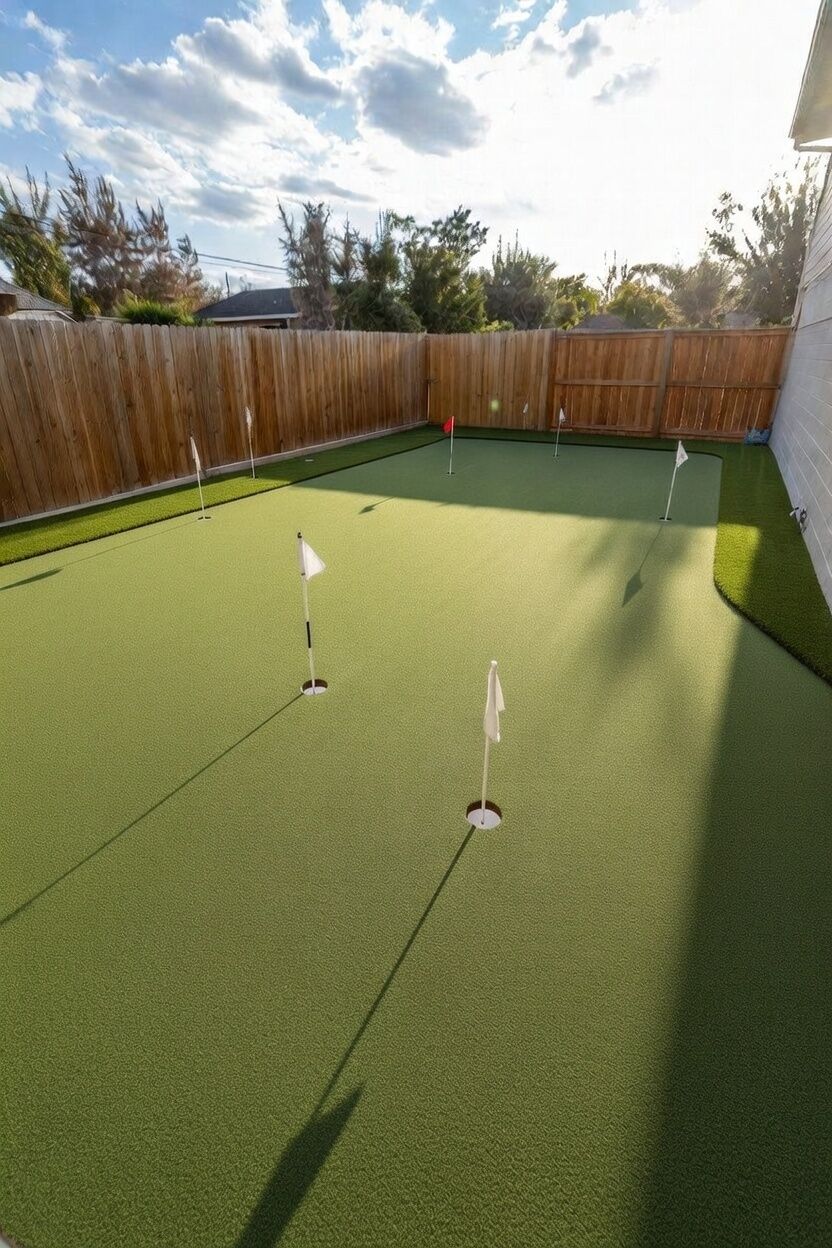
For your Avondale Estates project, sketch the intended working area and note how the putting green aligns with existing access points and surrounding surfaces. Consider the space needed for practice lines and the buffer zone around the green to allow natural movement and ball roll. Take clear photographs of the location from multiple angles, including wide shots and close-ups of any nearby structures or features that might influence placement. Think about how the green will integrate with adjacent hardscapes like patios or walkways, and whether gates or entryways need to remain unobstructed. Compare surface materials and textures to ensure compatibility with intended use and foot traffic patterns. Ask yourself how the finished space will feel when used daily—does the layout support smooth transitions into and out of the putting area? Ready your questions for the consultation team about material behavior, surface leveling, and how the layout handles ball return and storage.
Ball roll starts below the fibers
Contours must be formed in the prepared foundation; the surface follows what is beneath it. Ask how the design balances interest with playable lines and how water leaves the green. Edges should connect cleanly with the surrounding lawn, paving or planting. A long, awkward transition can interrupt both play and maintenance. Review the proposed shape from more than one position in the yard so the practice surface fits the broader outdoor layout rather than becoming an isolated feature.
Think about a hot afternoon
Georgia heat is already discussed throughout the site's turf guidance. Consider when you use the outdoor area and where shade is available. Manufactured surfaces are not a promise of cool barefoot conditions in direct sun. Discuss product choice, shade and everyday supervision where children or animals use the space. Visiting the proposed area at different times can give the design conversation better information than a single morning photograph.
Keep performance expectations specific
A putting product is not the same surface as a general residential lawn. Talk about the intended feel and speed using samples and the team's guidance, without assuming a backyard installation duplicates a particular golf course. Leaves and debris affect play and need removal; care advice should match the selected surface. If chipping or other practice is proposed, discuss the available space and surrounding property first. Do not assume every green layout is suitable for every golf activity.
Protect future options
Tell the team about later plans even if the first quote covers only one improvement. A future shade structure, cooking area or new path may affect preparation today. Ask which decisions are permanent and which can wait. Phasing works best with a defined endpoint for each stage, not an unfinished edge that is assumed to fit whatever comes next. Keep future ideas labeled as options rather than implied inclusions.
Choose the practice before the shape
A putting green should support the strokes you want to practice, rather than just fill a spare outline in the yard. Discuss whether the priority is short straight putts, changing breaks or a combination of lines. The putting-green guide describes custom contours, cup positions and fringe choices. Mark where a player stands and how others move past the green. A usable practice area needs more thought than placing a cup in the center of a patch of turf.
Related decisions in Avondale Estates
Use these guides to explore the interfaces around the main project. Related work is not automatically included in a quote.
Clear answers before you start
Questions worth asking
Can a putting green share the yard with other activities?
It can be considered as part of a broader layout, but the routes around it matter. Show seating, pet access and any proposed practice position during design. The green and its fringe should have a clear relationship with neighboring surfaces.
How do you confirm the cleaning method suits the underlying surfaces?
Review manufacturer guidelines for each retained surface type before selecting cleaning tools or agents. Conduct a small test area to observe reactions under expected pressure and exposure time. Compare material specifications for porosity, finish, and chemical resistance. Observe existing wear patterns that may affect cleaning outcomes. Confirm access to rinse water and drainage paths. Photograph test results and adjust procedures as needed. Confirm that all selected methods align with the project’s tolerance for residue or rework.
What should the putting greens proposal explain?
Ask for the working area, preparation, selected materials and the transitions to existing features. For this service, pay particular attention to practice lines and the space around the green. Confirm exclusions and any related work before comparing a final price.
How does Avondale Estates's location affect the design?
Avondale Estates is in DeKalb County. Approximately 27.0 miles southeast of Kennesaw in a straight line. Those geographic facts do not describe the ground at your address. Site access, water movement and intended use still need assessment before a design is chosen.
Let’s make a practical plan
Tell us what you want your space to do.
Bring your questions, a few photographs and a rough outline. Start with an estimate, or contact Lawn Logic Turf to discuss the next step.
Prefer to talk? (706) 701-8873
Service basis: Putting Greens guide. Coordinates: U.S. Census 2020 Gazetteer. Distances use city internal points, not road routes. Turf product reference: SGW; see LawnLogic’s published product information. The 15-Year Platinum Promise is a turf warranty; confirm applicable terms for your product and scope, not unrelated construction.