Consultation lenses / Georgia
Turf & outdoor services in Dunwoody, GA
Balance durability and flexibility
Plan a consultation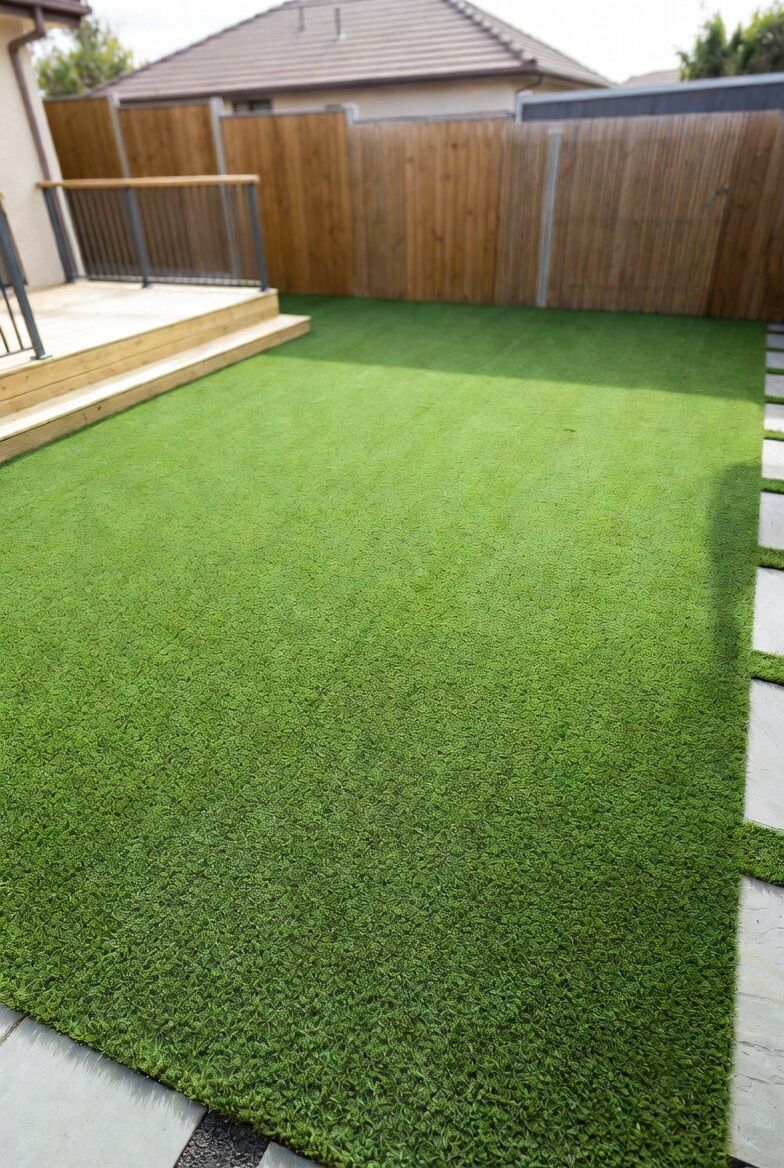
Flexible turf and outdoor living options
Outdoor spaces in Dunwoody can be shaped by thoughtful care routines and the use of movable objects that adapt to changing needs. By focusing on artificial turf, hard surfaces, and flexible structures, homeowners can create environments that welcome activity while staying easy to manage. Each choice brings its own set of tradeoffs, from the feel underfoot to the way accessories can be rearranged. Exploring these options helps families decide what balance of comfort, durability, and adaptability works best for their daily life.
Shape a useful brief
Creating a plan for outdoor turf or hardscaping begins with evaluating the daily rhythm of the property. Identify high‑traffic zones, shade patterns, and the type of movable elements you anticipate using. Decide whether a grass surface should be low‑maintenance or if a durable synthetic layer fits better with frequent events. Explore the balance between permanent fixtures and items that can be shifted seasonally, such as portable grills or modular seating. This approach clarifies which care practices and equipment choices will sustain the desired look over time.
Try this planning check
Consider how often you plan to rearrange furniture, decide on preferred turf backing thickness, think about edge treatment that allows easy trimming, choose shade solutions that can be relocated, evaluate drainage options that work with movable planters, and list cleaning tools you are comfortable using on a regular basis.
Explore services by purpose
Residential Turf
When planning residential turf, start by asking how many foot traffic zones will share the surface and whether you need a softer feel for barefoot use. Consider the weight of backing material and how it influences ease of moving adjacent pavers or decks. Ask if you prefer seam lines that can be hidden by planters or if visible seams are acceptable. Think about edge molding that can be detached for future re‑layout. Explore the possibility of using removable border stones that allow the turf area to expand or shrink without permanent alteration. Also reflect on cleaning tools that can be stored nearby for quick spot removal.
Pet Turf
For pet turf, begin by discussing the size of the pet activity area and the type of waste removal routine you prefer. Inquire whether you want a backing that can be lifted for occasional deep cleaning or a fixed option that stays in place. Consider the feel of the pile under paws and whether a softer texture might reduce wear. Ask about the placement of movable water stations and how they could be integrated without damaging seams. Think about edge systems that can be adjusted to accommodate shifting feeding stations or temporary shade structures. Also evaluate the storage of waste bags and cleaning supplies near the turf edge.
Putting Greens
When designing a putting green, ask how often you intend to change hole locations and whether you need portable cup inserts that can be swapped out. Consider the firmness of the backing and how it affects the ease of moving surrounding deck tiles. Explore the option of removable fringe that can be rolled back for storage or re‑arranged for different practice layouts. Discuss the placement of movable ball racks and how they interact with the turf perimeter. Think about edge trims that can be detached for seasonal storage or for expanding the green area. Also plan for cleaning tools that can be kept in a nearby bench for quick surface care.
Sport Courts
In planning a sport court, start by identifying which games will be played and how often the surface will be reconfigured for different activities. Ask whether you need a backing that allows the court lines to be overlaid with removable tapes for flexibility. Consider the weight of the court base and how it impacts the ability to move adjacent seating or storage containers. Explore edge solutions that can be lifted to create a wider play area or to accommodate temporary equipment. Discuss the placement of portable scoreboards and how they can be stored without disrupting the turf. Think about cleaning accessories that fit under the court edges for easy maintenance.
Commercial Turf
For commercial turf, begin by asking how many visitors will use the space daily and whether you expect frequent re‑layout of promotional displays. Consider the durability of the backing in relation to moving large planters or temporary event stages. Explore edge profiles that can be detached to allow for quick access to utility lines or to expand the usable area during special occasions. Discuss the use of portable signage holders that sit on the turf without damaging seams. Think about the storage of cleaning equipment in a nearby service cart that can be rolled away. Also evaluate the need for removable border pieces that define different functional zones.
Hardscaping
When selecting hardscaping elements, ask how often you anticipate moving patio furniture, fire pits, or decorative planters. Consider the weight and shape of pavers and whether they can be lifted for seasonal re‑arrangement. Explore the use of modular stepping stones that can be repositioned to create new pathways. Discuss edge treatments that allow easy removal of adjacent turf sections if you need to expand a stone area. Think about the placement of portable lighting fixtures that can be shifted without harming surrounding materials. Also plan for cleaning tools that can be stored under a bench or within a weather‑proof cabinet.
Retaining Walls
Consider how a retaining wall will interact with the surrounding landscape and the objects you may move around it. Ask whether a modular block system or a poured concrete option fits the space you have, and think about the weight of any planters or seating you might place nearby. Explore the possibility of built‑in steps that can be rearranged for different gatherings, and ask how the wall surface will accommodate occasional cleaning without harsh chemicals. Think about drainage behind the structure and whether a hidden channel or a simple gravel layer will suit the slope you expect. Plan a routine to check for movement of stones or joints after heavy use, and decide if a removable cap or decorative panel could be swapped seasonally. These questions help shape a flexible, low‑maintenance solution.
Drainage Systems
Planning drainage systems starts with observing where water tends to collect after rain and how it flows across the yard. Decide if a series of shallow swales that can be reshaped seasonally or a network of underground pipes that remains hidden suits your maintenance preferences. Think about the ability to move decorative elements, such as garden statues or portable benches, without obstructing flow paths. Evaluate the use of removable grates or adjustable outlets that allow periodic cleaning. Consider how the drainage will link with adjacent paved areas that might be rearranged for gatherings. These reflections help devise a system that manages moisture while staying adaptable to layout changes.
Outdoor Kitchens
When envisioning an outdoor kitchen, first map out the cooking zones, prep areas, and dining spots you want to include. Ask whether a permanent countertop that requires regular sealing or a modular surface that can be stored when not in use aligns with your routine. Think about the flexibility to relocate grills, portable sinks, or serving carts without damaging surrounding flooring. Explore ventilation options that can be moved for different wind directions versus fixed hoods. Consider how the kitchen will relate to nearby pathways that may be shifted for parties. These considerations help create a culinary space that balances durability with the ability to reconfigure for various events.
Pergolas
Consider what shade pattern you would like and how the structure will fit into your outdoor flow. Ask yourself if you prefer a solid roof, open lattice, or a combination that can accommodate climbing vines later. Bring measurements of the intended footprint and note any nearby utilities or trees that could affect placement. Sketch a few layout options, then compare how each interacts with existing pathways, seating, and lighting. Request material samples such as timber, metal, or composite panels to feel texture and weight. Document questions about mounting height, clearance for headroom, and how the design might accommodate seasonal wind. Think about whether you want integrated lighting, discreet storage, or a space for a small table, and list those ideas before meeting the consultant.
Outdoor Living Design
Crafting an outdoor living design starts with identifying the activities you enjoy most and the flow between spaces. Ask whether a flexible layout that incorporates movable seating, portable fire features, and interchangeable lighting suits your lifestyle more than a fixed arrangement. Think about the ease of relocating rugs, decorative screens, or garden art without harming the underlying surface. Explore the use of modular decking pieces that can be reassembled for different gatherings. Consider how the design will interact with nearby pathways that may be shifted for events or quiet moments. These reflections guide a plan that balances comfort, adaptability, and aesthetic cohesion.
Continue planning
DeKalb County; primary county from the Census place listing.
Pricing and Platinum Promise boundaries
Use $8–$17 per sq ft installed only as an artificial turf planning range, not a measured quote or a price for other construction. The 15-Year Platinum Promise turf warranty applies to turf; confirm applicable product and scope terms during consultation. Do not extend turf terms to unrelated outdoor improvements.
Questions for your consultation
What should I bring to an outdoor project consultation?
Bring your project sketch, clear photos of the site, and any measurements or dimensions you have recorded. Include notes on existing features, utility locations, and any constraints you notice. Having these items ready lets the consultant understand your vision and address practical considerations efficiently during the initial meeting and discussion.
Is this a description of every property in Dunwoody?
No. This is a consultation lens, not a claim about local properties. Bring your own measurements, photographs and intended uses so the discussion starts with the actual space.
What belongs in the project scope?
Ask which elements are included, which are optional and what still needs assessment. Record decisions in writing before comparing proposals.
How should I use this city collection?
Use it to prepare questions and compare priorities, not as a site-specific design or a promise of project results. A consultation should establish the appropriate next steps.
Bring your questions, not a finished design
Discuss the intended use, share a sketch and separate essential work from optional ideas.
Request a free quote